


¿Qué sucede realmente cuando un pájaro choca contra un avión a 800 km/h?
A las 15:27 del 15 de enero de 2009, el vuelo 1549 de US Airways se topó con una bandada de gansos canadienses poco después de despegar de LaGuardia. Ambos motores ingirieron aves a casi máxima potencia. El capitán Chesley “Sully” Sullenberger tuvo 208 segundos para encontrar una solución...
Somatogravic Illusion: The Invisible Killer on Takeoff
It’s 2200 hours over the Persian Gulf. The Airbus A320 rolls into the takeoff, engines howling at full thrust. Everything feels normal. Everything is normal. But inside the flight deck, gravity itself is lying. The pilots of Gulf Air Flight 072 were about to...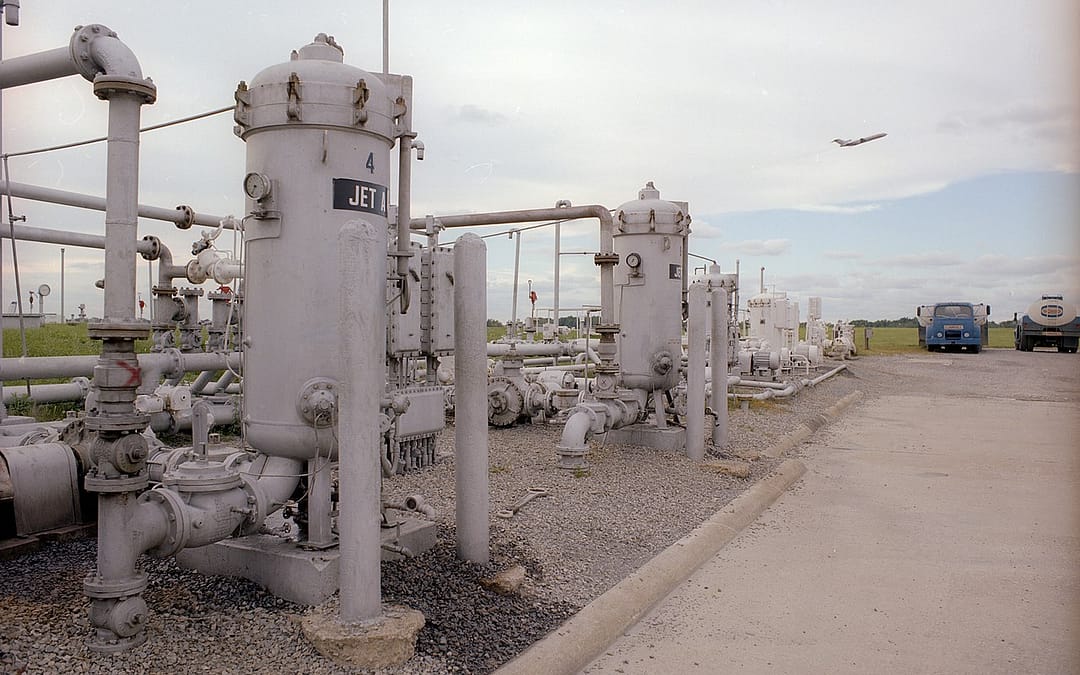
The Jet Fuel Crisis Airlines Don’t Want You to See
The global aviation system is quietly fracturing under pressure most passengers will never see coming. Since Iran’s closure of the Strait of Hormuz in late February, the world’s most critical chokepoint for energy has created shockwaves that have grounded...
Las aproximaciones a aeropuertos más peligrosas del mundo
Most airport approaches are boring. You descend on a three-degree glideslope, the ILS holds your hand, and the runway appears out of the haze exactly where it should be. The autopilot could do it. Often, it does. Then there are the approaches that separate great...
Why Some Contrails Stretch Across the Entire Sky
Look up on a clear day and you will see them: white lines drawn across the sky by aircraft cruising at 30,000 feet and above. Some vanish almost instantly, dissolving into nothing within seconds of forming. Others stretch from horizon to horizon, lingering for hours,...
Why Fighter Jets Dump Fuel Before Landing
You have seen the photographs: a fighter jet trailing twin streams of white mist from its wingtips, the spray catching sunlight like a veil behind the aircraft. It looks dramatic, wasteful, and slightly insane. Why would anyone dump thousands of litres of jet fuel...
Los cinco minutos más peligrosos de cada vuelo
The flight is one hour long. For 55 minutes of it, practically nothing bad can happen. The aircraft is at cruise altitude, the autopilot is engaged, and the most dangerous object in the cockpit is probably the coffee. But the first two and a half minutes after takeoff...
Tu primer vuelo: por qué las escuelas de vuelo dejaron de enseñarlos
The nose pitches up. The stall horn screams. You stomp full rudder and the world rotates — the horizon spins past the windscreen once, twice, three times, faster than you expected, the ground corkscrewing toward you in a way that your brain insists cannot possibly be...
Twelve Seconds That Changed the World: The Wright Brothers at Kitty Hawk
At 10:35 on the morning of December 17, 1903, on a cold, windswept beach in North Carolina, a 32-year-old bicycle mechanic from Dayton, Ohio climbed onto a wooden biplane, opened the throttle of a 12-horsepower engine, and flew. Orville Wright stayed aloft for 12...
Rojo, verde, blanco, destello: qué significa cada luz en un avión
Datos rápidos Luces de navegación Rojas (punta del ala izquierda/babor), Verdes (punta del ala derecha/estribor), Blancas (cola) — obligatorias desde la puesta del sol hasta el amanecer y en condiciones de visibilidad reducida Luces anticolisión Baliza giratoria roja (parte superior e inferior del fuselaje) — encendida siempre que los motores estén en marcha...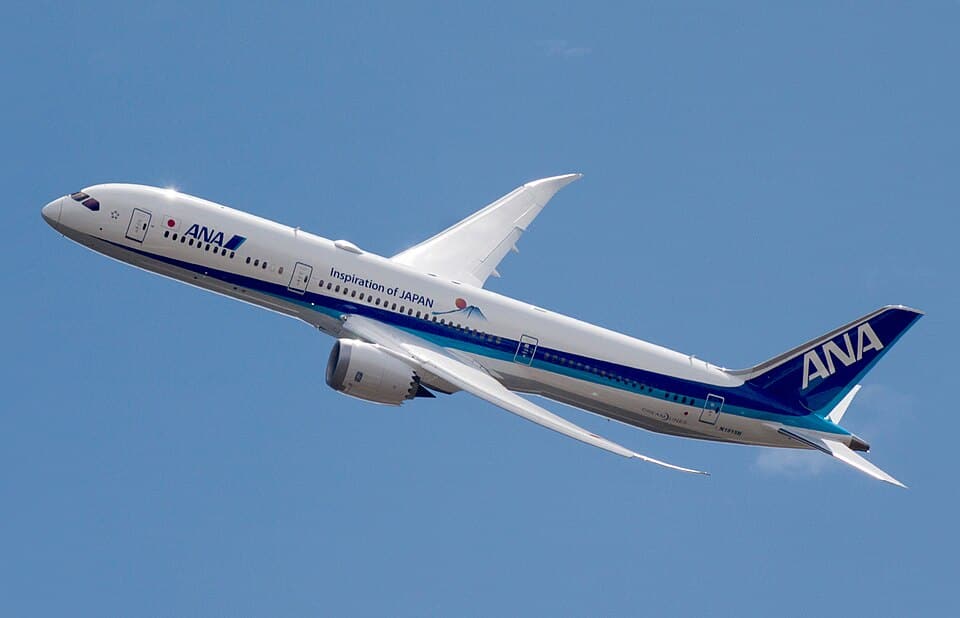
Comentarios recientes