
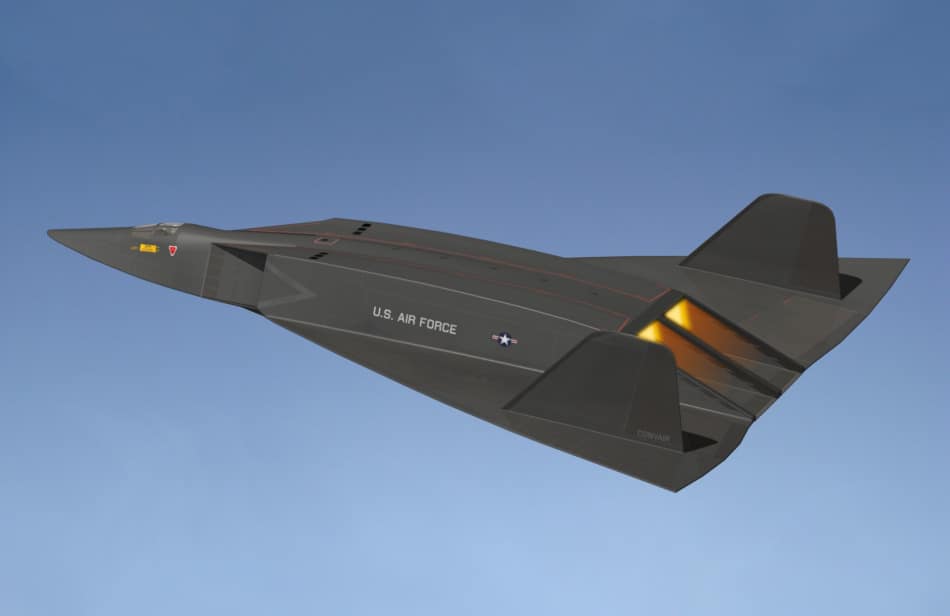
Todo el mundo conoce el Lockheed A-12 y su famoso descendiente, el SR-71 Blackbird: esos aviones espía negros, capaces de alcanzar Mach 3 y escapar de todos los misiles jamás disparados contra ellos. Casi nadie recuerda el avión que estuvo a punto de arrebatarles el puesto: el Kingfish de Convair, un avión espía de líneas angulares, capaz de evadir el radar, que perdió por un pelo el concurso de diseño más importante de la Guerra Fría y luego desapareció de la historia.
Sin embargo, el Kingfish podría haber sido el diseño más profético. Dos décadas antes del F-117, sus creadores ya estaban diseñando una aeronave invisible al radar, y esa idea perduraría más allá del concurso que perdió.
DATOS RÁPIDOS
| Role | Reconocimiento aéreo a gran altitud por parte de la CIA (propuesto) |
| Programa | Proyecto GUSTO / OXCART, 1957–59 |
| Central eléctrica | 2 × Pratt & Whitney J58, enterrados en el fuselaje |
| Velocidad de diseño | Mach 3.2 |
| Número construido | 0 (solo modelo de prueba de radar) |
| Destino | Perdido ante el Lockheed A-12, 28 de agosto de 1959. |
La carrera para reemplazar el U-2
Tras demostrarse que el U-2 podía ser rastreado sobre la Unión Soviética, la CIA lanzó el Proyecto GUSTO para encontrar un sucesor indetectable por radar. Dos gigantes compitieron: Skunk Works de Lockheed, bajo la dirección de Kelly Johnson, y Convair de Fort Worth. La respuesta de Lockheed fue el A-12 Oxcart. La de Convair fue el Kingfish.
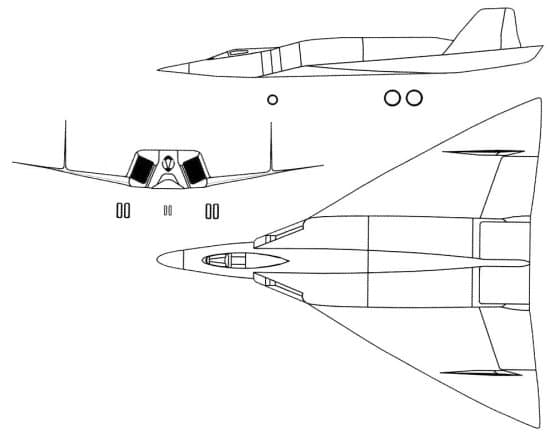
Convair se tomó muy en serio la sección transversal de radar, adelantándose décadas a su tiempo. El Kingfish instaló sus dos motores Pratt & Whitney J58 dentro del fuselaje, utilizó materiales cerámicos y absorbentes de radar en sus bordes y lucía una forma angular que recuerda sorprendentemente a los aviones furtivos de la década de 1980. Sobre el papel, volaba a Mach 3.2 por encima de los 90.000 pies.
Una rivalidad decidida por la reputación.
Kelly Johnson no quedó impresionado por su rival, o mejor dicho, desconfiaba de la forma en que Convair había intentado detectar una señal de radar débil. En su informe clasificado del programa OXCART, fue tajante.
El 28 de agosto de 1959, el comité eligió a Lockheed. El A-12 era ligeramente más rápido y tenía mayor altitud, y —lo más importante— era más barato. Pero el factor decisivo fue la confianza. Algunos oficiales de la CIA preferían el Kingfish por su menor firma de radar; los miembros de la Fuerza Aérea que formaban parte del comité los convencieron de lo contrario, recordando el problemático y sobrecostoso programa del bombardero B-58 de Convair.
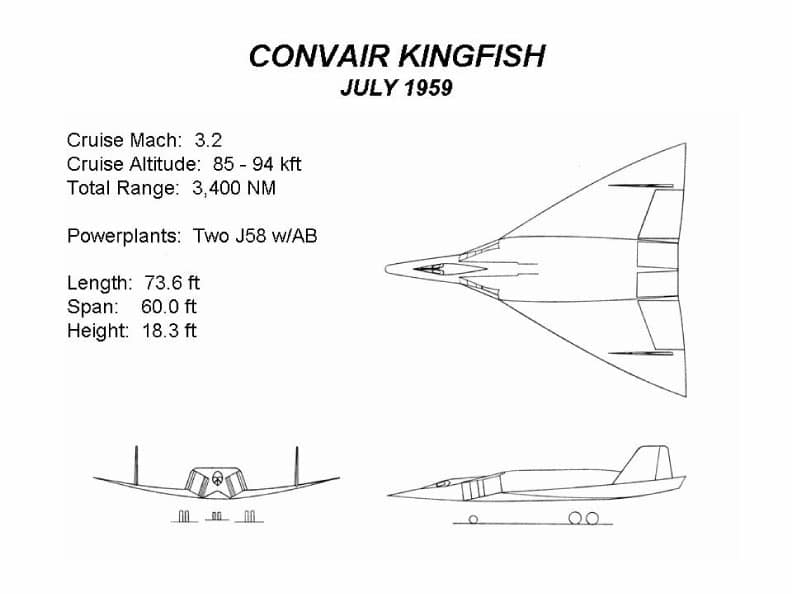
El Kingfish nunca se construyó. La financiación se agotó en cuanto el diseño de Lockheed triunfó, y el avión espía de líneas angulares de Convair quedó en el olvido. Pero si observamos un F-117 Nighthawk —con sus motores ocultos, su fuselaje facetado y sus bordes que absorben el radar—, vemos una idea que Convair tuvo primero. Perdió el contrato, pero tal vez ganó la disputa.
Fuentes: Pedlow y Welzenbach, Historia de la CIA de los programas U-2 y OXCART; Kelly Johnson, Registro del programa OXCART; Wikipedia.
0 Comentarios