
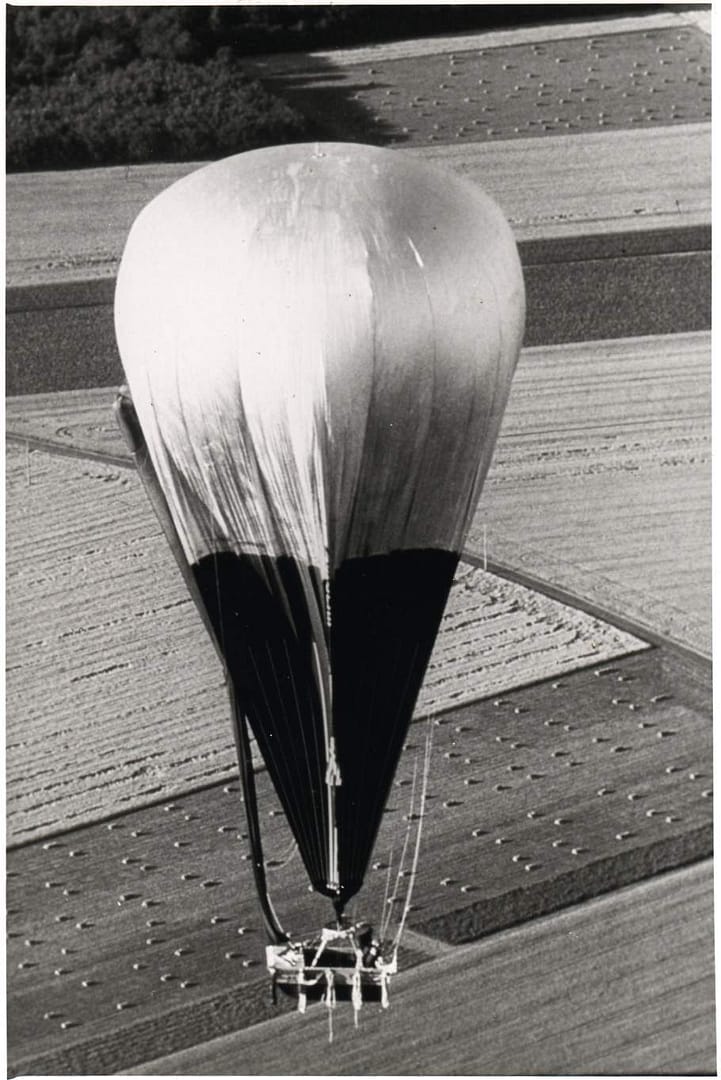
For twenty years the Atlantic had been killing balloonists. Since 1958, five men had died trying to drift across it, and every attempt — more than a dozen of them — had ended in the sea. Then, in August 1978, three amateurs from Albuquerque climbed into a silver helium balloon called Double Eagle II, lifted off from a field in Maine, and six days later came down gently in a barley field near Paris.
It was the first balloon flight across the Atlantic Ocean — and one of the last of aviation's truly great "firsts."
Datos rápidos
| Balloon | Double Eagle II (helium gas balloon) |
| Multitud | Ben Abruzzo, Maxie Anderson, Larry Newman |
| De | Presque Isle, Maine (8:42 p.m., 11 August 1978) |
| To | Miserey, near Paris, France (17 August 1978) |
| Duración | 137 hours, 6 minutes |
| Distancia | ~3,100 miles |
| Hito | First balloon to cross the Atlantic |
| Recognition | Gondola preserved at the Smithsonian; crew became instant celebrities |
A graveyard of attempts
The transatlantic balloon crossing was aviation's great unfinished business. It had defeated everyone who tried it, sometimes fatally. Two of the Double Eagle II crew knew the danger personally: the year before, Ben Abruzzo and Maxie Anderson had attempted the crossing in the original Double Eagle, only to be forced down into the freezing sea near Iceland after nearly 66 hours aloft. They had survived, learned, and come back.
Three men and a balloon
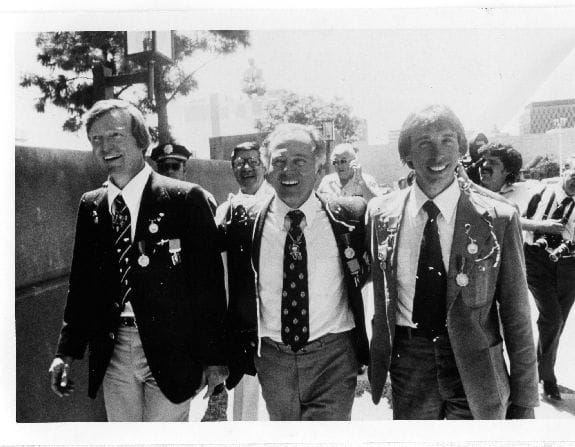
For the second attempt, Abruzzo and Anderson added a third pilot, 31-year-old Larry Newman. Their balloon stood 112 feet tall, filled with helium, and it launched from Presque Isle, Maine, on the evening of 11 August 1978. The plan was simple to describe and terrifying to execute: ride the winds east, stay high, and don't run out of ballast before Europe.
The Big Drop
The crossing nearly ended in the middle of the ocean. In the cold night air the balloon abruptly lost lift and began to plunge. The crew hurled everything overboard — ballast, equipment, even their sleeping bags — as the sea rose toward them. They called it, afterwards, "the Big Drop."
Landfall
The balloon recovered, climbed back into daylight, and pressed on. They crossed the coast of Ireland, then England, and finally France. French authorities offered them Le Bourget — the very field where Charles Lindbergh had landed to a delirious crowd in 1927 — but with their ballast almost gone, the crew judged it too risky to drift over the Paris suburbs. Instead they set Double Eagle II down in a barley field at Miserey, on the farm of Roger and Rachel Coquerel, 137 hours and 6 minutes after leaving Maine.
The last of the great firsts
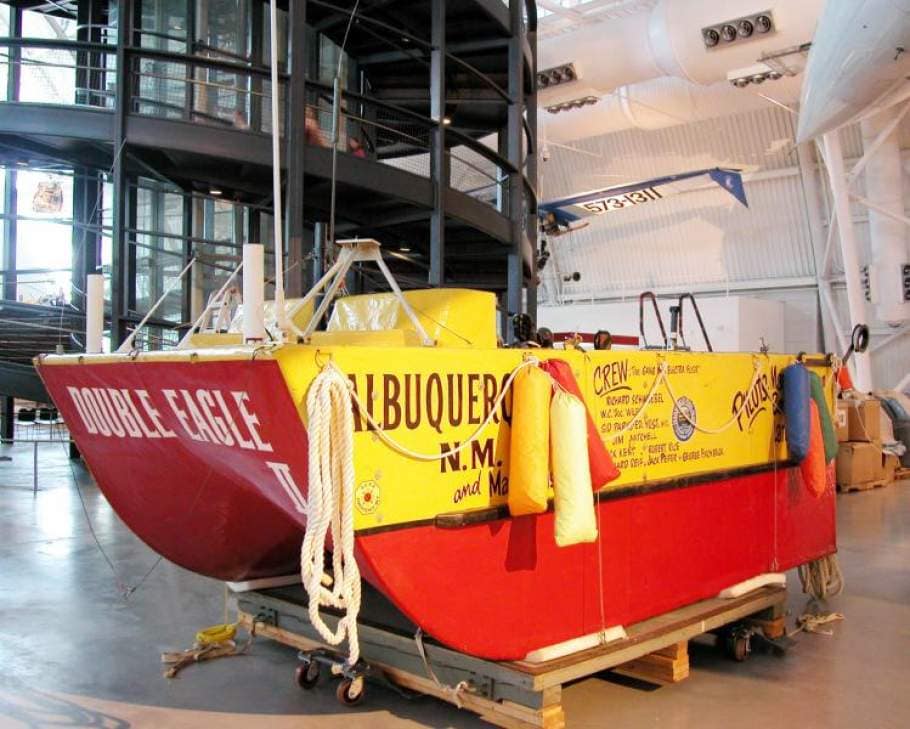
The three men became instant celebrities. Larry Newman, it is said, was even given the bed Lindbergh had slept in half a century earlier. Their gondola went to the Smithsonian, where it hangs today. And the crossing marked something larger than one flight: with the Atlantic finally beaten by balloon, one of the last blank spaces on aviation's map of firsts had been filled in.
Airplanes had crossed the ocean thousands of times by 1978. But there was still something the winds alone had never carried a human across — until three men from the desert trusted their lives to a bag of helium and proved it could be done.
Sources: Smithsonian National Air and Space Museum; History.com; Sports Illustrated (1978); Wikipedia.
Publicaciones relacionadas
0 Comentarios