
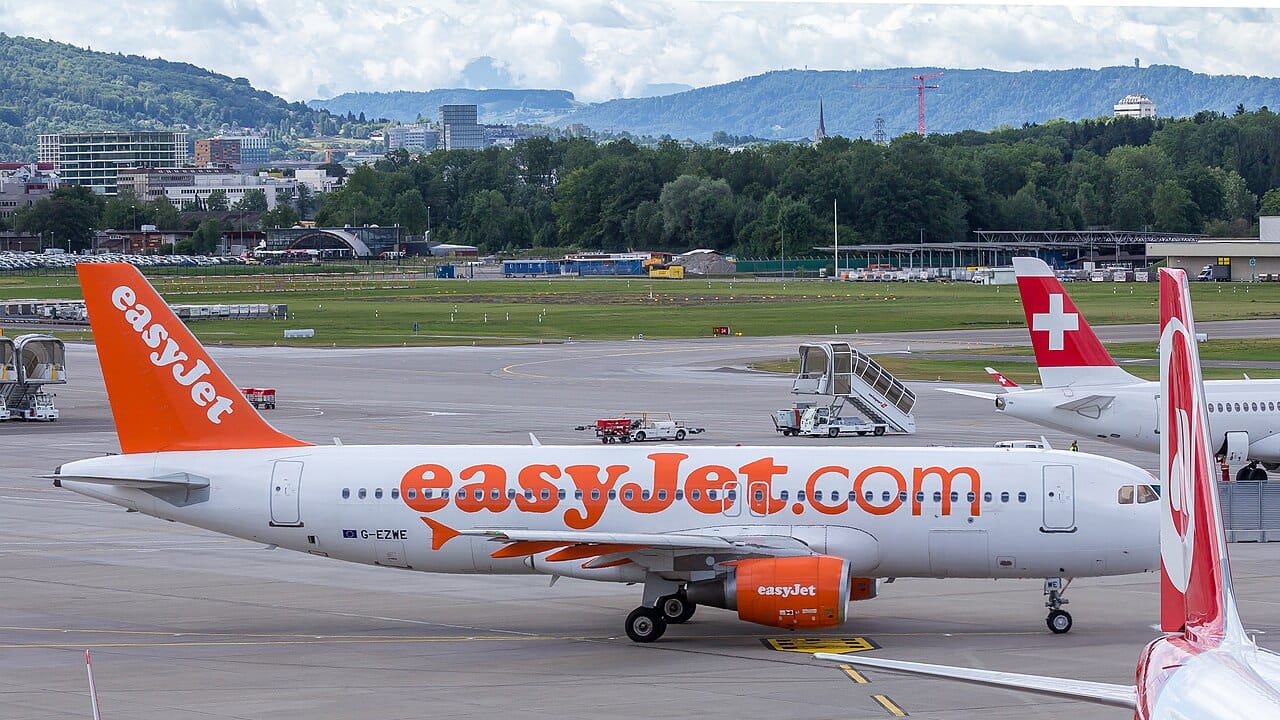
Europe's most recognisable low-cost airline has become the object of a transatlantic tug-of-war. On 10 July 2026, the board of easyJet told the market it was no longer minded to recommend a takeover proposal from the American investment firm Castlelake — because a second US suitor, Apollo Global Management, had just put a richer offer on the table.
Apollo's proposal values the orange-liveried carrier at roughly £5.7 billion (around $7.6 billion), pitched at £7.15 in cash for every easyJet share. That tops the £6.90 a share that Castlelake had offered only days earlier, on 5 July. In the space of a working week, one of the great survivors of European aviation has turned into a prize worth fighting over.
Nothing is signed. Both approaches remain, in the careful language of the London market, an agreement in principle — there is no certainty that a firm, binding offer will follow from either side. But the direction of travel is unmistakable, and easyJet's board has now swung behind the higher bidder.
• Objetivo: easyJet plc — London-listed low-cost carrier flying a fleet of more than 300 Airbus A320-family jets
• Apollo offer (10 Jul 2026): £7.15 per share in cash, valuing easyJet at roughly £5.7bn (~$7.6bn)
• Rival bid: Castlelake, £6.90 per share, announced 5 Jul 2026
• Board stance: “no longer minded to recommend” Castlelake; would back Apollo if a firm offer follows
• Deadlines (UK takeover rules): Apollo to table a firm offer by 7 Aug; Castlelake by 3 Aug 2026
• Estado: agreement in principle only — no certainty a firm offer will be made
The bid that flipped the board
For most of the past week the running had been made by Castlelake, whose £6.90-a-share proposal easyJet's directors had signalled, on 5 July, they were minded to support. Apollo's intervention changed the arithmetic overnight. At £7.15 a share, its cash offer is comfortably higher, and easyJet's board responded by withdrawing its backing for the Castlelake terms and lining up behind Apollo instead.
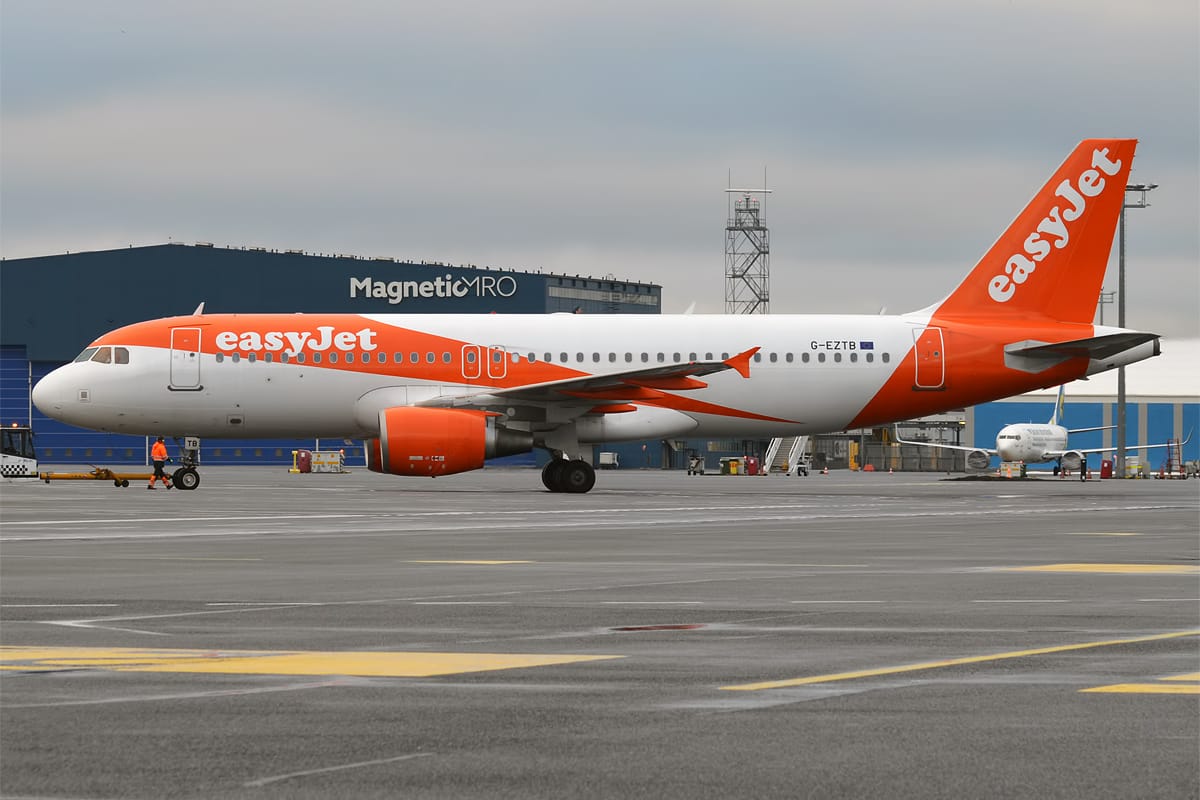
Two American suitors, one European icon
Both bidders are US-based alternative-investment houses: Apollo Global Management, one of the world's largest private-capital firms, and Castlelake, a specialist with deep roots in aviation finance. That two American investors are duelling over a British-listed, pan-European airline says a good deal about where easyJet now sits — a cash-generative, slot-rich business trading at a price that private capital finds hard to resist.
Why easyJet is worth a fight
Founded in 1995 with a pair of leased Boeing 737s and a phone number painted down the fuselage, easyJet grew into one of Europe's largest low-cost carriers, built around prized slots at London Gatwick and Luton and a network fanning out across the continent from Geneva to Milan. After the pandemic gutted short-haul demand, the airline clawed its way back to profitability — and a recovered, disciplined easyJet is exactly the kind of asset a buyer wants to catch on the way up.
¿Qué sucede después?
The contest now runs on a regulatory clock. Under UK takeover rules, Apollo has until 7 August to convert its approach into a firm offer, while Castlelake has until 3 August — a classic “put up or shut up” deadline that forces a bidder either to commit or walk away. Castlelake could yet return with a higher number, and easyJet has been careful to stress that, as things stand, there is no certainty any firm offer will be made at all. For now, Europe's orange airline is up for auction, and the bidding is still climbing.
Sources: easyJet Group regulatory statement (10 July 2026); RTÉ Business; Aviation Week; ch-aviation; UPI. Figures reflect a possible offer, not a completed transaction.
Preguntas relacionadas
Who is trying to buy easyJet?
Two American investment firms are competing to buy easyJet: Apollo Global Management and Castlelake. On 10 July 2026, easyJet's board said it was no longer minded to recommend Castlelake's proposal after Apollo tabled a richer offer of £7.15 per share in cash, topping Castlelake's £6.90-a-share bid made on 5 July 2026.
How much is easyJet worth in the 2026 takeover battle?
Apollo Global Management's proposal values easyJet at roughly £5.7 billion (around $7.6 billion), based on a cash offer of £7.15 per easyJet share. That exceeds rival bidder Castlelake's earlier offer of £6.90 per share. Both remain proposals rather than firm, binding offers, so the final price could still change.
Who are Apollo Global Management and Castlelake?
Both are US-based alternative-investment houses. Apollo Global Management is one of the world's largest private-capital firms, while Castlelake is a specialist investor with deep roots in aviation finance. In July 2026 the two firms became rival bidders for easyJet, the London-listed low-cost carrier whose orange A320s are a fixture at London Gatwick and airports across Europe.
What is a put up or shut up deadline in UK takeovers?
Under UK takeover rules, a bidder that has made an approach must either table a firm, binding offer by a set deadline or walk away. In the easyJet contest, Apollo has until 7 August 2026 to convert its approach into a firm offer, while Castlelake faces a deadline of 3 August 2026.
How many aircraft does easyJet operate?
easyJet flies a fleet of more than 300 Airbus A320-family jets, making it one of Europe's largest low-cost carriers. The airline's network fans out across the continent from bases including London Gatwick, Luton, Geneva and Milan. The A320 family at the heart of its fleet is central to the ongoing Boeing–Airbus delivery race.
When was easyJet founded?
easyJet was founded in 1995, starting out with a pair of leased Boeing 737s and its phone number painted down the fuselage. It grew into one of Europe's largest low-cost carriers, built around prized slots at London Gatwick and Luton, and returned to profitability after the pandemic gutted short-haul demand.
Publicaciones relacionadas



0 Comentarios