
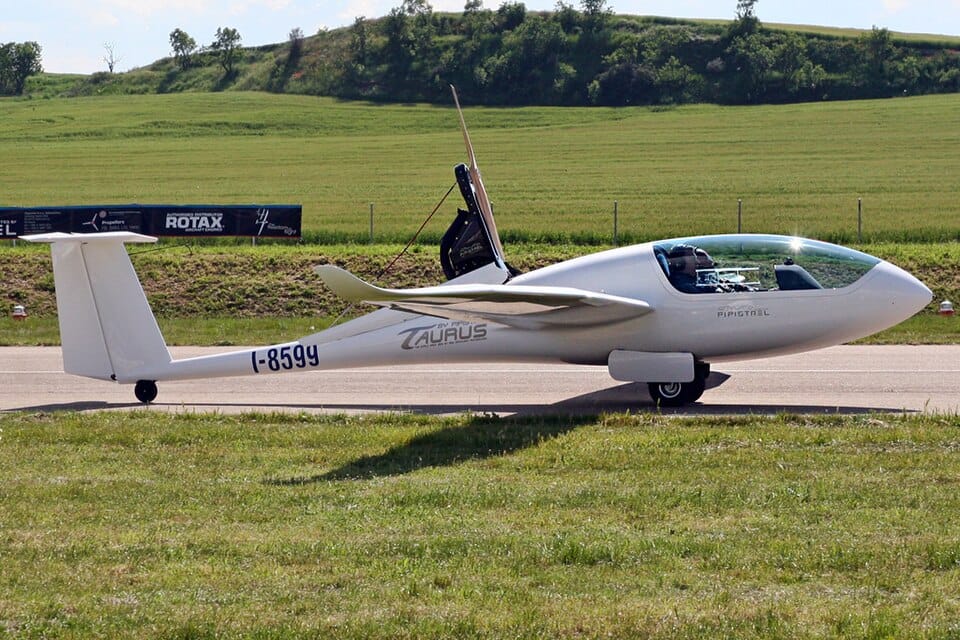
En una mañana húmeda de principios de junio en Florida, un planeador motorizado modificado aterrizó en la pista del Aeropuerto Municipal de Zephyrhills y cambió el rumbo de la aviación eléctrica. A los mandos estaba Miguel Iturmendi, piloto de pruebas, fundador de la compañía y el tipo de persona que ve un Pipistrel Taurus y piensa: "Esto necesita baterías de estado sólido". El 5 de junio, demostró que los escépticos estaban completamente equivocados.
El Helios Horizon completó el primer vuelo tripulado de ala fija impulsado íntegramente por baterías de estado sólido. No se trató de una estrategia publicitaria para generar vídeos virales, sino de una serie metódica de vuelos de prueba cortos para validar el peso, el equilibrio y el rendimiento de las baterías tras la instalación de las nuevas celdas. Sin embargo, el rendimiento de estas celdas fue extraordinario: 410 vatios-hora por kilogramo, un salto del 60 % con respecto a las baterías de iones de litio que la aeronave había utilizado anteriormente.
Para una industria que ha pasado años midiendo el progreso en porcentajes de un solo dígito, esta cifra resulta impactante. Y si las proyecciones de Iturmendi se cumplen, la densidad energética de la batería aumentará otro 40 por ciento en dos años, acercándose al tipo de rendimiento que podría hacer que la aviación regional eléctrica sea comercialmente viable.
Datos rápidos
- Fecha: 5 de junio de 2026: primer vuelo tripulado con batería de estado sólido.
- Piloto: Miguel Iturmendi, fundador y piloto de pruebas jefe de Helios Horizon
- Batería: 410 Wh/kg — 60% mayor densidad energética que el ion litio (260 Wh/kg)
- Aeronave: Planeador motorizado Pipistrel Taurus modificado
- Ubicación: Aeropuerto Municipal de Zephyrhills, Florida
- Carga rápida: Capacidad 80% en menos de 15 minutos a través de una toma de corriente alterna estándar.
- Altitud objetivo: Más de 40.000 pies — por encima de la mayoría de los aviones comerciales
Por qué la tecnología de estado sólido lo cambia todo
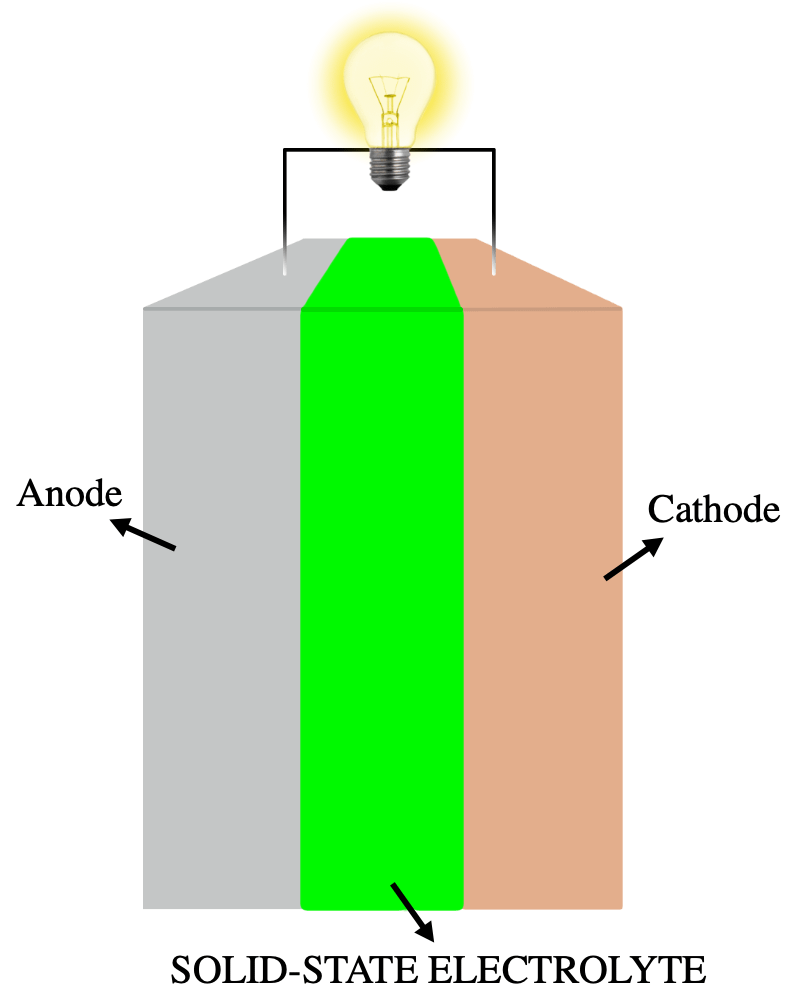
Las baterías de estado sólido sustituyen el electrolito líquido de las baterías de iones de litio convencionales por un material sólido. El resultado es una batería que almacena más energía en menos peso, se carga más rápido, se calienta menos y tiene muchas menos probabilidades de incendiarse. Para las aeronaves eléctricas, donde cada gramo cuenta y el sobrecalentamiento es una preocupación existencial, esta tecnología es revolucionaria.
La anterior batería de iones de litio del Helios Horizon ofrecía 260 Wh/kg. Las nuevas celdas de estado sólido prácticamente duplicaron esa cifra, hasta alcanzar los 410 Wh/kg. Esta mejora no solo se traduce en vuelos más largos, sino que también permite que la aeronave transporte una carga útil considerable o alcance altitudes que antes solo eran posibles con aviones a reacción.
La aeronave también recupera energía en vuelo mediante paneles solares instalados en las alas y un sistema regenerativo que hace girar la hélice como una turbina eólica durante los planeos y descensos. Gracias a la nueva tecnología de la batería, Iturmendi afirma que ahora es posible realizar vuelos estratosféricos —por encima de los 40 000 pies— con una sola carga. En vuelos anteriores, ya se habían alcanzado los 24 000 pies con la batería de iones de litio anterior.
De un garaje en Sarasota a la historia de la aviación
Helios Horizon no es Boeing ni Airbus. Es un pequeño equipo con sede en Sarasota, Florida, que ha dedicado años a perfeccionar metódicamente los sistemas de propulsión y gestión de baterías de la aeronave. Iturmendi, piloto e ingeniero experimentado, partió de la plataforma Pipistrel Taurus —un planeador motorizado de eficacia probada, conocido por su eficiencia aerodinámica— y lo reconstruyó en torno a un sistema de propulsión eléctrica totalmente personalizado.
La infraestructura de carga es un claro ejemplo de accesibilidad. La batería se puede recargar en cualquier toma de corriente estándar. No requiere equipo especializado en tierra ni estaciones de carga dedicadas. La carga rápida permite alcanzar el 80 % de la capacidad de las celdas en menos de 15 minutos. Para una tecnología que durante mucho tiempo ha sido considerada poco práctica, estas cifras son difíciles de ignorar.
El camino hacia los 40.000 pies
El vuelo del 5 de junio marcó el inicio de una campaña de pruebas, no el final. Helios Horizon planea aumentar progresivamente la altitud, la duración y la velocidad en los próximos meses. Alcanzar los 40 000 pies situaría a la aeronave por encima de la mayoría del tráfico aéreo comercial, una hazaña impensable para un avión eléctrico hace tan solo dos años.
La industria en general observa con atención. Toyota, Samsung SDI y QuantumScape han anunciado programas de baterías de estado sólido para aplicaciones automotrices, pero la aviación presenta un desafío fundamentalmente mayor: las baterías deben funcionar bajo variaciones extremas de temperatura, cambios de presión relacionados con la altitud y vibraciones a las que los automóviles nunca se enfrentan. Al demostrar que la tecnología funciona en vuelo, Helios Horizon ha establecido el referente con el que se medirá a partir de ahora a todos sus competidores.
Que este momento se convierta en el hito de la aviación eléctrica o en una anécdota, dependerá de lo que suceda después. Pero los 410 Wh/kg en el Aeropuerto Municipal de Zephyrhills ya nos revelan algo que la industria ha esperado durante décadas: la tecnología de estado sólido funciona en el aire.
Fuentes: New Atlas, AIN Online, FlightGlobal, Sarasota Magazine, CleanTechnica, Runway Girl Network
Preguntas relacionadas
¿Cuál fue el primer vuelo de una aeronave con batería de estado sólido?
El 5 de junio de 2026, una aeronave llamada Helios Horizon completó el primer vuelo tripulado de ala fija propulsado íntegramente por baterías de estado sólido. Pilotado por el piloto de pruebas y fundador de la compañía, Miguel Iturmendi, desde el aeropuerto municipal de Zephyrhills en Florida, el vuelo utilizó un planeador Pipistrel Taurus modificado para validar las nuevas celdas de batería.
¿Qué es una batería de estado sólido?
Una batería de estado sólido sustituye el electrolito líquido de una celda de iones de litio convencional por un material sólido. Esto permite almacenar más energía con el mismo peso, una carga más rápida y mayor seguridad, cualidades que hacen que las celdas de estado sólido sean especialmente prometedoras para las aeronaves eléctricas, donde el peso es un factor crítico.
¿Cuánta energía puede almacenar una batería de estado sólido?
Las celdas utilizadas en la prueba Helios Horizon de 2026 proporcionaron 410 vatios-hora por kilogramo, aproximadamente 601 TP3T más que los cerca de 260 Wh/kg de las baterías de iones de litio utilizadas anteriormente. Una mayor densidad energética se traduce en mayor autonomía o capacidad de carga para el mismo peso, el principal desafío que frena la aviación eléctrica.
¿Por qué son importantes las baterías de estado sólido para la aviación eléctrica?
Los vuelos eléctricos han estado limitados durante mucho tiempo por la cantidad de energía que una batería puede transportar en relación con su peso. Al almacenar mucha más energía por kilogramo y cargarse rápidamente, las celdas de estado sólido podrían hacer posibles los vuelos regionales eléctricos y taxis aéreos eléctricos comercialmente viable, un campo donde el progreso se había medido anteriormente en pequeños incrementos de un solo dígito.
¿Qué es el Pipistrel Taurus?
El Pipistrel Taurus es un planeador motorizado ligero de dos plazas fabricado por la empresa eslovena Pipistrel. Su eficiente estructura lo convierte en una plataforma de pruebas ideal para nuevas ideas de propulsión, razón por la cual se eligió un Taurus modificado para el vuelo con batería de estado sólido de 2026.
Publicaciones relacionadas
El Boeing 787 sigue averiándose: Cronología de la crisis de calidad del Dreamliner
¿Qué ocurre cuando falla el motor de un avión de combate?
El English Electric Lightning: el misil vertical de Gran Bretaña
0 Comentarios