
| Datos rápidos | |
| Qué es | A student pilot's first flight alone — no instructor in the aircraft |
| When It Happens | Typically between 15–25 hours of dual instruction |
| Requirements | Student pilot certificate, instructor endorsement, medical certificate |
| Duración | Usually three takeoffs and landings in the traffic pattern |
| Tradition | Instructor cuts the back of the student's shirt after the flight |
| Hito | Considered the most significant moment in a pilot's training |

Your instructor unbuckles, opens the door, and steps out onto the ramp. The door closes. The right seat is empty. For the first time in your training, there is no one to save you if you mess this up. The engine is running. The radio is live. The runway is waiting. And you are completely, terrifyingly, exhilaratingly alone.
The first solo is the moment every pilot remembers forever. Not their first lesson, not their checkride, not even their first passenger flight. The solo. It is ten minutes that rewrite who you are.
Ask any pilot — airline captain, military ace, weekend Cessna flyer — and they can describe their solo in vivid detail. The weather. The runway number. The way the aircraft leapt off the ground with 170 fewer pounds in the right seat. The sound of their own voice on the radio, shakier than they expected.
The Moment Your Instructor Lets Go
It doesn't come as a surprise — not really. Your instructor has been watching you for weeks, quietly evaluating whether you can handle the aircraft without them. They've seen your landings improve from terrifying to passable to consistent. They've watched you recover from botched approaches without prompting. They've tested you with simulated emergencies and crosswinds and go-arounds. And then, one day, usually without much warning, they say the words: "Pull over. I'm getting out."
Some instructors make a speech. Most don't. They know the student's heart rate is already through the roof. They unbuckle, give a last bit of advice — usually something simple like "you've got this" — and close the door from the outside. Then they walk to the ramp, find a spot with a good view of the runway, and watch. And try not to pace.
The standard solo is three laps of the traffic pattern. Takeoff, turn crosswind, turn downwind, turn base, turn final, land. Three times. It takes about ten minutes. It feels like three hours.
The Empty Right Seat
The first thing every student notices is the performance. Without the instructor's weight, the aircraft climbs faster, accelerates quicker, and floats longer in the flare. That last one catches people off guard — the landing you've been practicing for weeks suddenly feels different because the aircraft doesn't want to settle onto the runway. You're light. In every sense of the word.
The second thing you notice is the silence. Not engine silence — the engine is as loud as always. It's the absence of the instructor's voice. No corrections. No "watch your airspeed." No "a little more right rudder." Just you, the instruments, the runway, and the wind.
Most students describe the first takeoff as the most intense moment. The commitment point — the second the wheels leave the ground and there is no longer any option to stop — is the instant the reality hits. You are flying an aircraft alone. If the engine quits, you're dealing with it. If the wind shifts, you're dealing with it. If anything goes wrong, you are the entire crew.
The Shirt Off Your Back
After the third landing — usually the best one, because by then the adrenaline has settled into focus — you taxi back and shut down. Your instructor is waiting, usually grinning. In the oldest tradition in flight training, they take a pair of scissors and cut the back out of your shirt. The tradition dates to tandem-seat training aircraft where the instructor sat behind the student and would tug on the shirttail to communicate. Once you've soloed, nobody needs to tug your shirt anymore. You can fly.
The cut shirt gets signed, dated, and hung on the wall of the flight school. Some pilots frame theirs. Others keep them stuffed in a drawer, slightly embarrassed by the sentimentality. But none of them throw it away.
Earning a pilot certificate takes months of training, dozens of hours, and thousands of dollars. But it's ten minutes in an empty cockpit that turns a student into a pilot. Everything after that is just paperwork.
Sources: Boldmethod, EAA, Learn to Fly Blog, FAA Student Pilot Guide
Preguntas relacionadas
What is a first solo flight?
A first solo is the first time a student pilot flies an aircraft alone, with no instructor on board. The instructor unbuckles, steps out, and the student takes off, circuits and lands entirely on their own. It is widely considered the most significant and memorable milestone in a pilot's training.
How many flight hours before a student pilot solos?
Most student pilots fly their first solo somewhere between 15 and 25 hours of dual instruction, though it varies with the individual, the aircraft and how often they fly. Readiness, not a fixed number, is what matters — the instructor must be confident the student can handle the aircraft safely alone.
What is required before a student pilot can fly solo?
Before soloing, a student needs a student pilot certificate, a medical certificate, and a specific endorsement in their logbook from their flight instructor authorising the flight. The instructor must judge the student capable of safely conducting the takeoffs and landings on their own before signing them off.
What happens during a first solo flight?
A first solo usually consists of three takeoffs and landings in the airport traffic pattern, flown alone while the instructor watches from the ground. The aircraft, now lighter without the instructor, climbs and handles slightly differently — a small but memorable surprise on that first lap. It is a daytime milestone before pilots progress to a primer vuelo nocturno.
Why do instructors cut a student's shirt after the first solo?
Cutting off the back of a soloing student's shirt is an old aviation tradition. It dates from open-cockpit training days, when an instructor sitting behind tugged the student's shirt to give directions; once the student flew solo, that tug was no longer needed, so the tail of the shirt was symbolically removed.
What aircraft do most student pilots solo in?
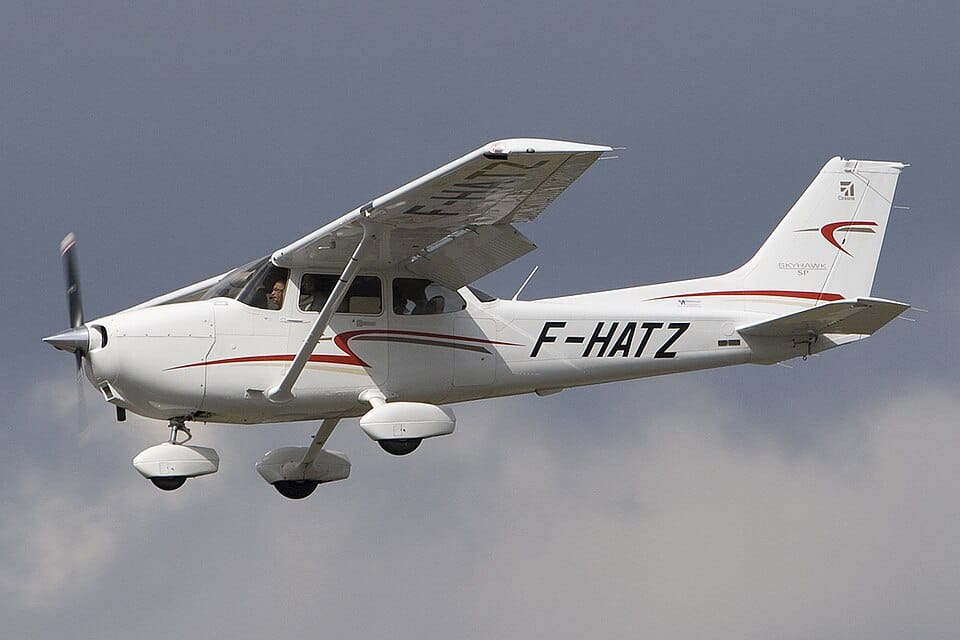
Many pilots take their first solo in a small two-seat trainer such as the Cessna 152 or similar light aircraft, prized for being forgiving and simple. Training in these aircraft also builds the foundation for later skills, including the difference between IFR and VFR flying.

0 Comentarios