
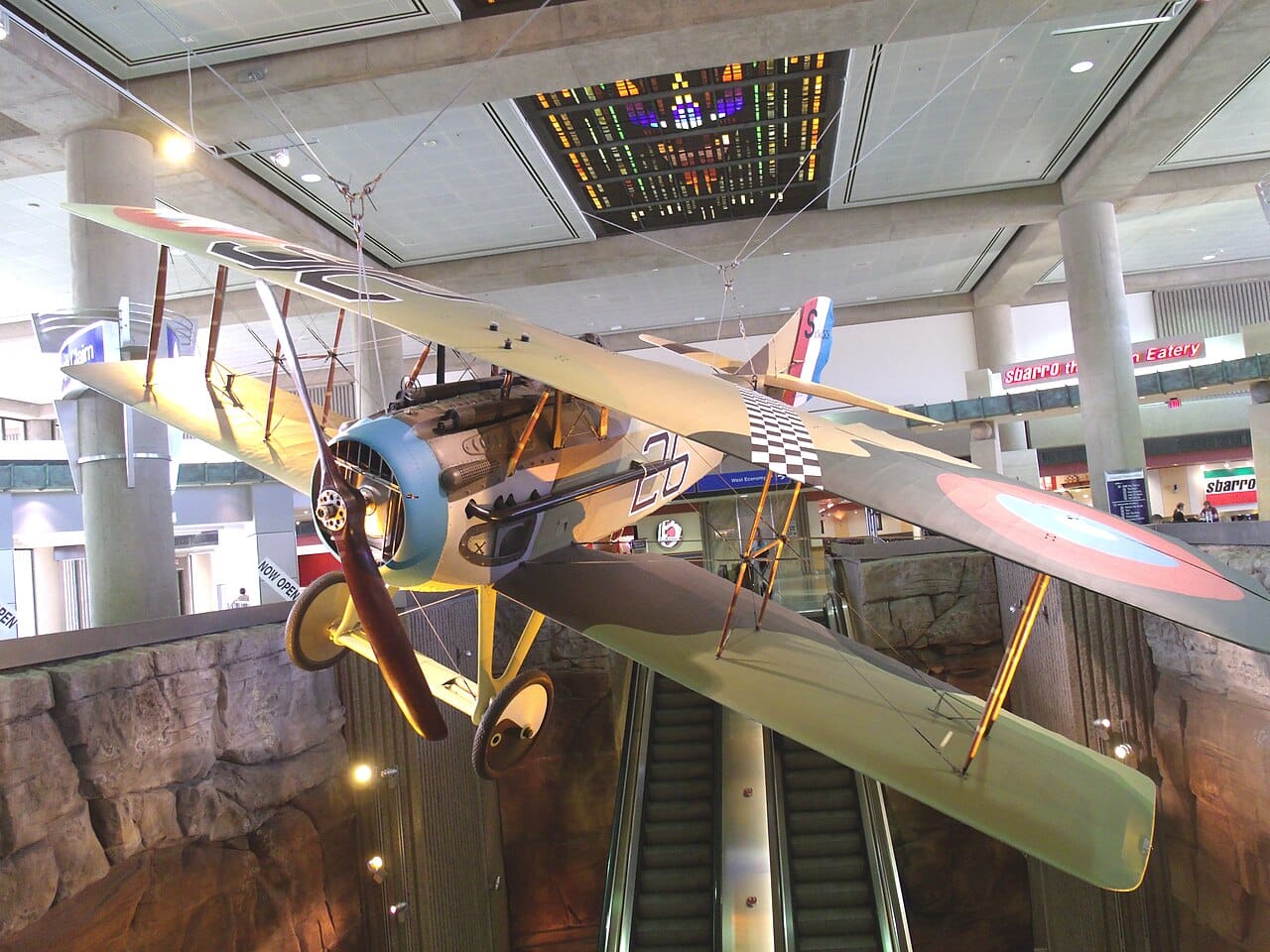
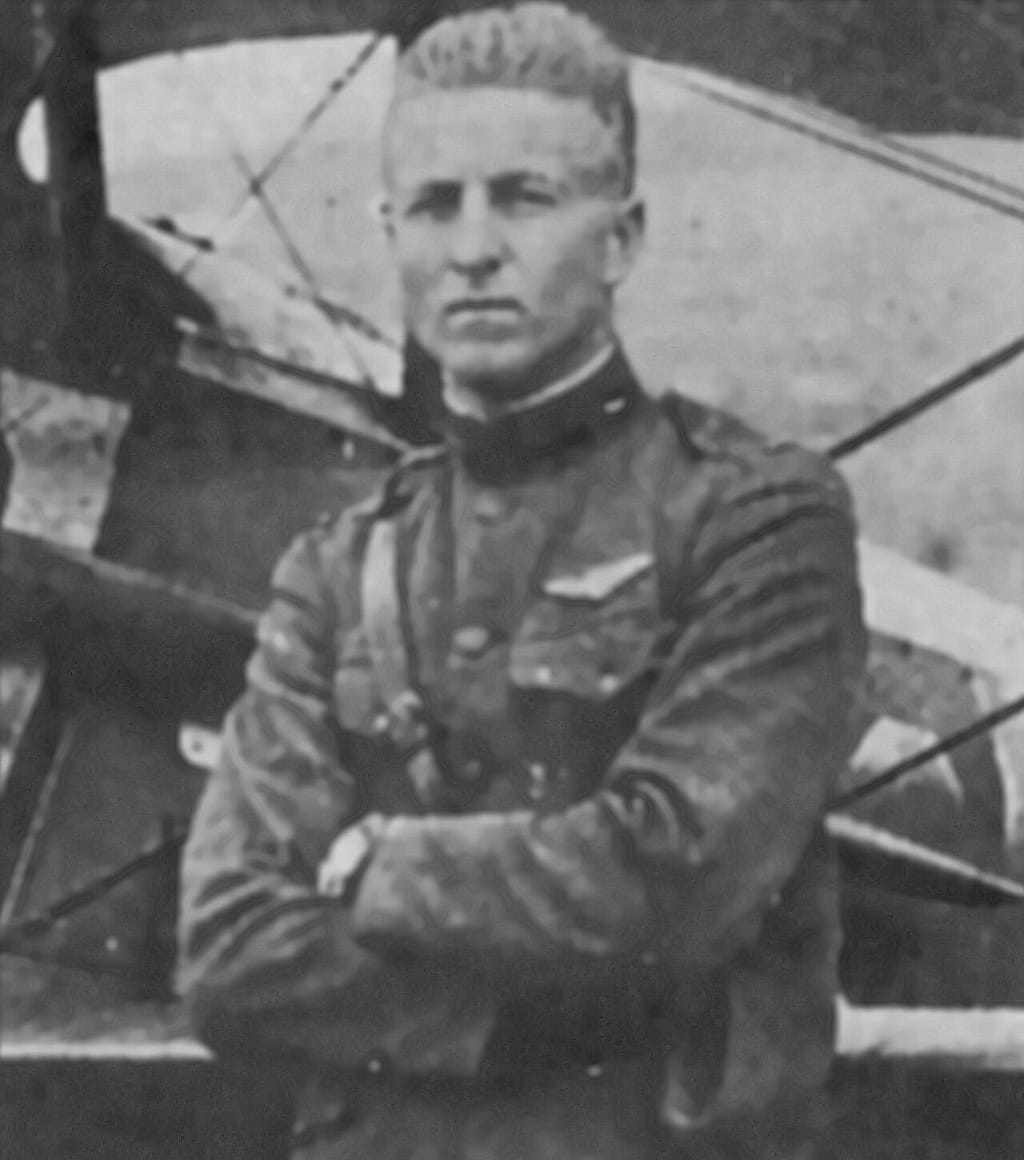
He was twenty-one, a copper miner’s son from Phoenix with a boxer’s swagger and a habit of ignoring orders. In the last September of the First World War, Second Lieutenant Frank Luke Jr. turned himself into the most feared balloon-hunter in the skies over France.
In roughly eight days he was credited with eighteen victories — fourteen German observation balloons and four aircraft — a scoring rate no pilot in the whole war would match. Balloons look like easy prey. They were anything but.
On 29 September 1918 a single bullet found him. He put his SPAD down in a field, drew his pistol, and died fighting. Months later, America made him the first airman ever to receive the Medal of Honor.
Datos rápidos
| OMS | 2nd Lt Frank Luke Jr., US Air Service, 27th Aero Squadron |
| Apodo | The Arizona Balloon Buster |
| Aeronave | SPAD S.XIII |
| Tally | 18 victories — 14 observation balloons and 4 aircraft — in about eight days |
| Why balloons | Hydrogen-filled and flammable, but ringed by flak and covered by fighters |
| Death | 29 September 1918, near Murvaux, France, aged 21 |
| Honor | First airman to receive the Medal of Honor (posthumous) |
| Legado | Luke Air Force Base, Arizona, is named for him |
The Loner Nobody Could Control
Luke was brash, solitary and disliked by some of his squadron — a pilot who flew alone and bent orders to breaking. At first his fellow flyers thought him wild and reckless. Then they realised he was simply, completely fearless.
He reached the 27th Aero Squadron in France in the summer of 1918 and quickly found the mission nobody else wanted: killing balloons.
Why Balloons Were the Deadliest Target
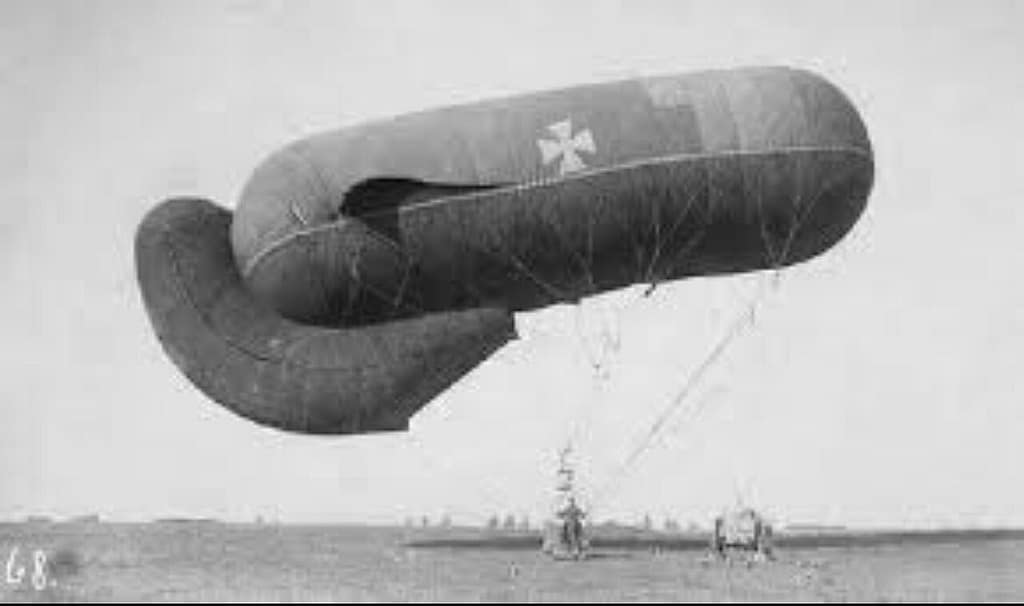
Observation balloons hung over the front as the enemy’s eyes, directing artillery onto anything that moved. That made them indispensable — and ferociously defended. Their hydrogen made them flammable, but reaching one meant diving low and slow through a wall of anti-aircraft fire while enemy fighters waited above.
Luke went in again and again, usually with his friend Lieutenant Joseph Wehner flying cover above him.
A short profile of Arizona’s most famous flyer.
Eight Days That Made a Legend
Between 12 and 29 September 1918, Luke ran up his eighteen victories in about ten sorties. On 18 September, Wehner was killed defending him from German fighters; a grieving Luke shot down two of those fighters, two balloons and another aircraft in the same furious fight.
The partnership that had powered his streak was gone. He kept hunting alone.
The Last Flight at Murvaux
On his final mission at dusk on 29 September, Luke first dropped a note to an American balloon company telling them to watch, then destroyed three more enemy balloons before a machine-gun bullet from a hilltop cut him down. He landed near Murvaux, drew his Colt automatic, and died of a chest wound.
Some famous details of his last stand grew in the retelling; the Army’s own citation, built from confused eyewitness accounts, later proved partly exaggerated. The core is not in doubt: wounded, alone, and out of options, he went down fighting.
The blazing, brief career of the Balloon Buster.
First Airman to the Medal of Honor
After the Army gathered sworn testimony, Luke received a posthumous Medal of Honor — the first ever awarded to an airman — presented to his father in Phoenix in 1919. Among American aces of the war, only Eddie Rickenbacker scored more.
Today Luke Air Force Base near Phoenix carries his name — a permanent salute to a twenty-one-year-old who burned brighter, and briefer, than anyone in the sky.
The National Museum of the USAF on WWI Medal of Honor airmen.
Sources: Wikipedia (Frank Luke); National Museum of the US Air Force; John T. Correll, Air & Space Forces Magazine (2009).

0 Comentarios