
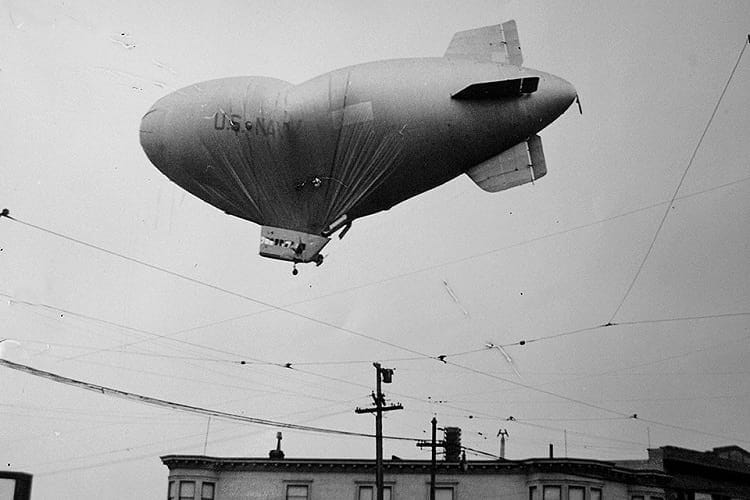
Poco después de las 11 de la mañana del 16 de agosto de 1942, un dirigible de la Armada estadounidense, medio desinflado y desplomado, sobrevolaba a baja altura los tejados de Daly City, California, enganchando los cables telefónicos mientras una multitud lo perseguía por las calles. Finalmente, se estrelló contra la acera frente a una casa en las afueras. Bomberos y policías acudieron rápidamente a la góndola, esperando rescatar a los aviadores heridos de entre los restos.
La cabina de control estaba vacía. La puerta colgaba abierta. La radio seguía funcionando, los motores habían estado en marcha y los paracaídas y la balsa salvavidas estaban intactos. Dos pilotos experimentados de la Armada habían estado a bordo aquella mañana. Nunca más se supo de ellos. Más de ocho décadas después, nadie sabe qué les ocurrió.
Datos rápidos
- Aeronave: Dirigible de la Armada de los Estados Unidos L-8, Escuadrón de Patrulla de Dirigibles 32
- Fecha: 16 de agosto de 1942
- Multitud: El teniente Ernest Cody y el alférez Charles Adams
- Misión: patrulla antisubmarina frente a San Francisco
- Último contacto: Investigando un derrame de petróleo cerca de las Islas Farallón.
- Resultado: El dirigible aterrizó sin tripulación en Daly City; los hombres nunca fueron encontrados.
Una guerra de dirigibles en la costa
En 1942, la guerra se sentía muy cerca de California. Los submarinos japoneses habían bombardeado la costa, hundido barcos y mantenido a toda la costa oeste en vilo. La solución de la Armada para detectar submarinos fue el dirigible: lento, paciente y capaz de permanecer durante horas a baja altitud en condiciones meteorológicas que impedían el vuelo de los aviones de ala fija. Se utilizaron los pequeños dirigibles publicitarios de Goodyear, a los que se les denominó clase L, y se les puso a patrullar la costa.
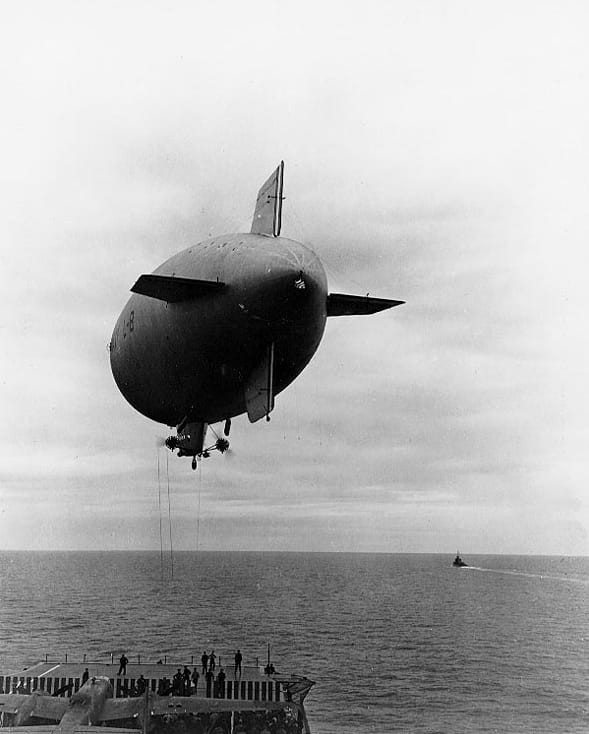
Una reconstrucción documental del misterio del L-8.
El último mensaje
A las 6:03 de la mañana del 16 de agosto, L-8 despegó de Treasure Island en la bahía de San Francisco. A bordo iban el teniente Ernest Cody, de 27 años, y el alférez Charles Adams, un veterano de dirigibles de unos treinta años que había sobrevivido a la pérdida del portaaviones volador USS Macon Años antes. Un tercer hombre, el ayudante de maquinista James Riley Hill, había sido dado de baja justo antes de la partida; a Cody le preocupaba el peso extra. Le salvó la vida.
Poco antes de las ocho, la tripulación comunicó por radio que habían avistado una mancha de petróleo a unas pocas millas de las islas Farallón y que iban a investigarla: posiblemente se trataba de un submarino. Un buque Liberty y un barco pesquero observaron cómo el dirigible descendía hasta unos nueve metros de la superficie del agua y sobrevolaba la mancha. Fue la última vez que alguien vio a Cody y Adams. La comunicación por radio se interrumpió.
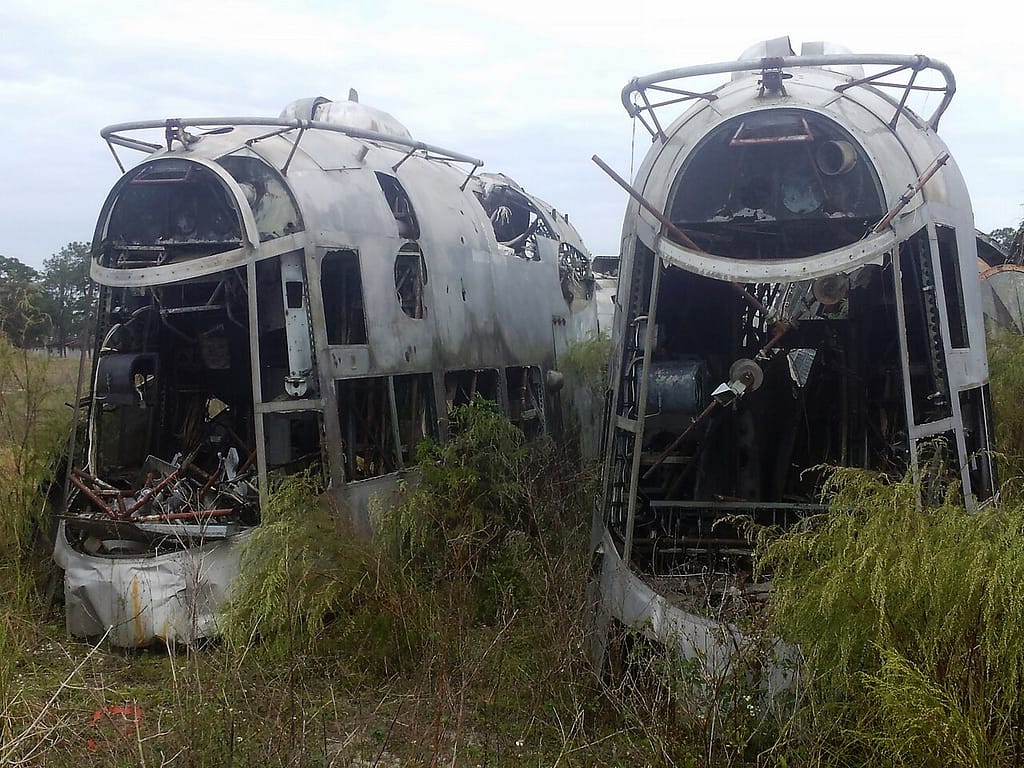
La góndola vacía
En lugar de continuar su patrulla, el dirigible soltó lastre, ascendió y volvió hacia la ciudad, pero en la dirección completamente equivocada. Alrededor de las 11 de la mañana reapareció sobre Ocean Beach. Dos pescadores de orilla agarraron las cuerdas que lo arrastraban, miraron dentro de la góndola y no encontraron a nadie. Se soltó, chocó contra un acantilado, lanzó una carga de profundidad sobre un campo de golf y siguió a la deriva hasta estrellarse en Daly City.
Todo en la escena intensificaba el misterio. El impacto fue lo suficientemente leve como para que los hombres hubieran salido ilesos. Sus paracaídas y la balsa salvavidas seguían a bordo. La radio funcionaba y no se había enviado ninguna llamada de auxilio. Solo faltaban dos cosas: Cody, Adams y sus chalecos salvavidas, que llevaban puestos.
El dirigible fantasma de 1942 y sus tripulantes desaparecidos.
Ochenta años de teorías
La versión oficial de la Marina era que un hombre se asomó por la escotilla para lanzar una bengala de humo sobre la mancha de hielo, resbaló y arrastró al otro consigo cuando este intentó ayudarlo; la repentina pérdida de peso provocó que el dirigible ascendiera. Pero la comisión admitió que todo era solo "una cuestión de conjeturas". Todo lo demás quedó a la imaginación del público: captura por un submarino japonés, deserción, un polizón asesino, una pelea de amantes, incluso un secuestro extraterrestre.
Nada de ello puede probarse, ni nada de ello refutarse. L-8’La góndola de [nombre de la nave] sobrevivió, volvió a trabajar para Goodyear después de la guerra y hoy se encuentra en el Museo Nacional de Aviación Naval en Pensacola: una silenciosa caja de aluminio que una vez transportó a dos hombres sobre el Pacífico y solo trajo de vuelta el misterio de adónde fueron.
Más información sobre el persistente enigma del L-8.
Fuentes: L-8 (Wikipedia); Greg Daugherty, “El misterio de 80 años del dirigible fantasma de la Armada de los EE. UU.”, Revista Smithsonian; Actas del Instituto Naval de los EE. UU. (1970); San Francisco Chronicle; Museo Nacional de Aviación Naval.
Publicaciones relacionadas
0 Comentarios