
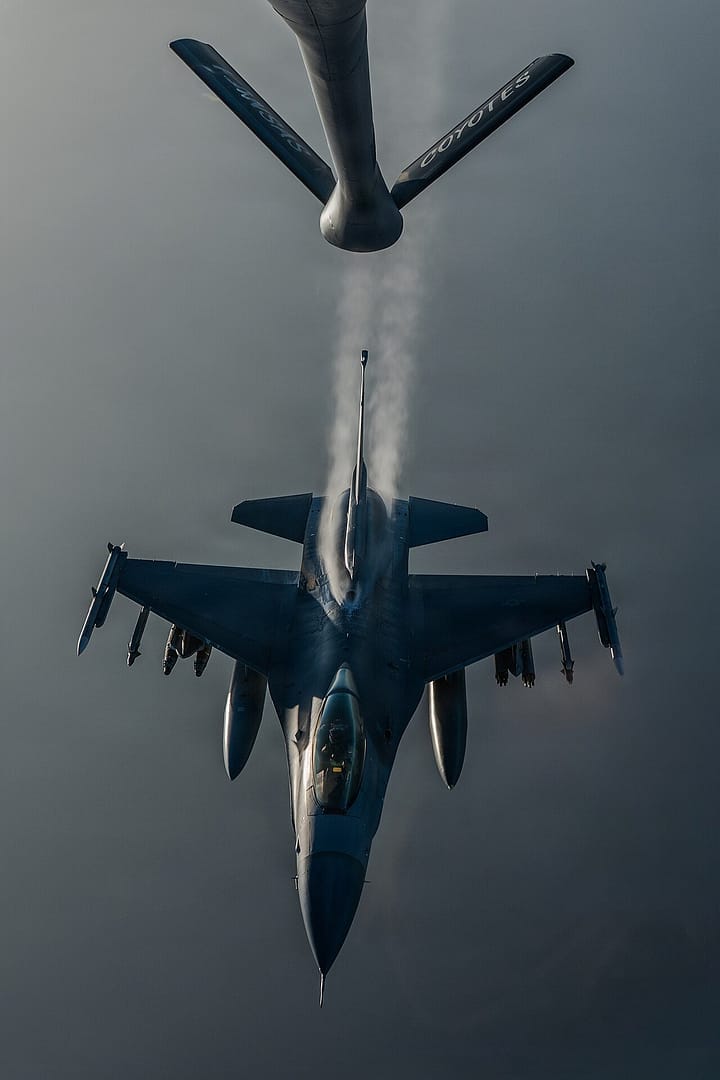
A modest airbase in southeastern Bulgaria has become the newest point of friction between Tehran and the West — and the cause is not a bomber or a stealth fighter, but a fleet of ageing flying petrol stations.
In late July 2026, Bulgaria's parliament approved the temporary hosting of up to eight U.S. KC-135 Stratotanker aerial-refuelling aircraft and around 250 American personnel at Bezmer Air Base, from 24 July to 1 October. Iran's reaction was swift. For the third time, Tehran warned Sofia that it would bear responsibility for the decision.
Why tankers, of all aircraft, should provoke a diplomatic warning is a story about reach — and about how even an unarmed support aircraft can become a piece on the geopolitical board.
Datos rápidos
| Base | Bezmer Air Base, Bulgaria |
| Aeronave | Up to 8 US KC-135 Stratotanker tankers |
| Personnel | About 250 US personnel |
| Ventana | 24 July to 1 October 2026 |
| Authorised by | Bulgarian parliament |
| Iran's response | Third formal warning to Sofia |
| Iran's claim | Host nations could "face consequences" |
Why a tanker is a strategic asset
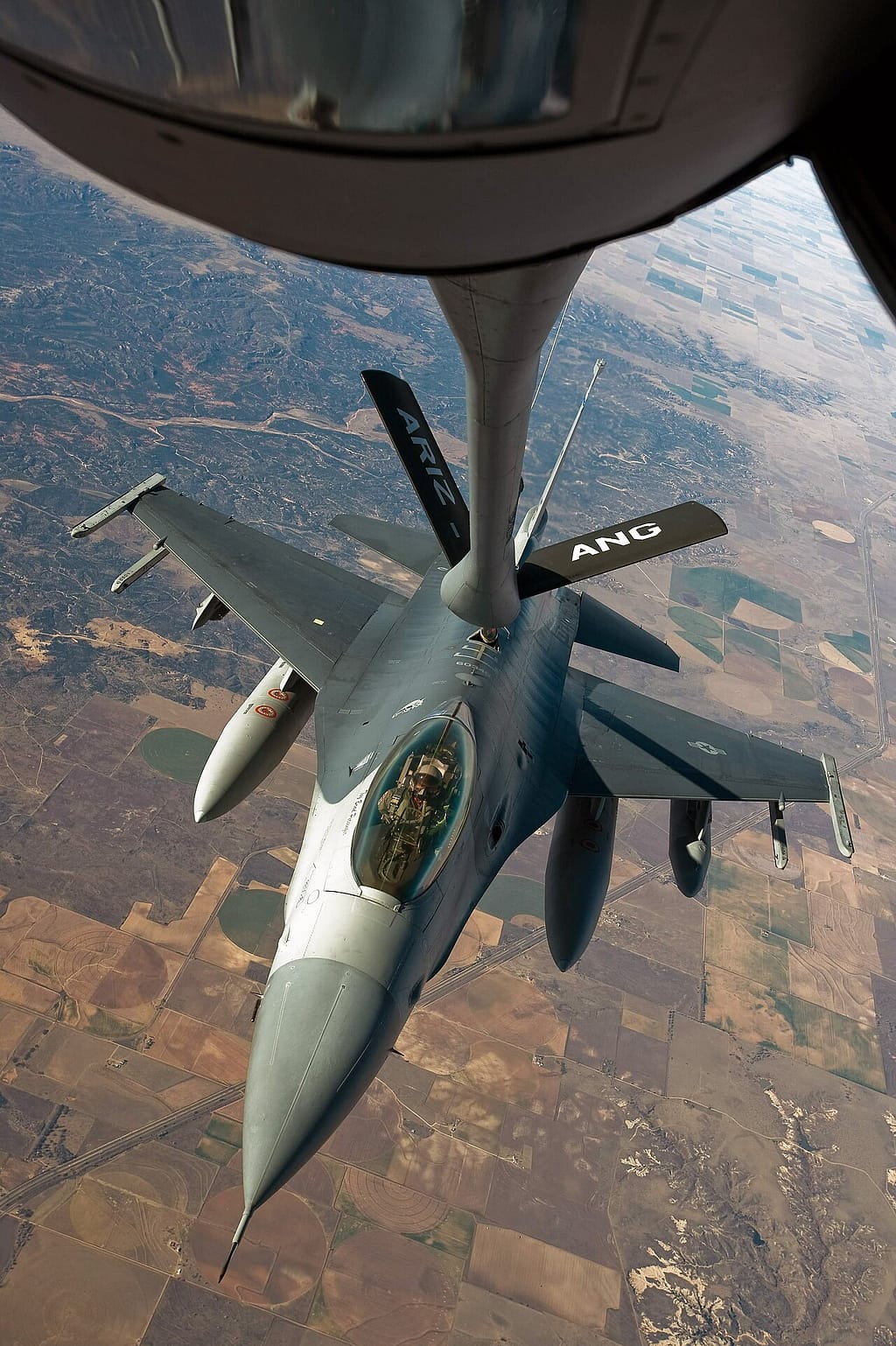
A KC-135 carries no bombs and fires no missiles. What it carries is fuel — and with it, range. Aerial refuelling is the quiet multiplier of modern airpower: it lets fighters and bombers reach targets far beyond their normal radius, loiter longer, and operate from bases that would otherwise be too distant to matter. Station tankers within reach of a region, and every combat aircraft nearby suddenly flies farther.
That is precisely why Tehran has fixed on them. Bulgaria sits within practical range of the Middle East, and Iranian officials read a tanker deployment there as a way to extend U.S. air operations toward Iran.
Iran's warning
Iranian Foreign Ministry spokesman Esmaeil Baghaei framed the deployment as a step that makes Bulgaria complicit in potential U.S. operations, and reiterated Tehran's position that countries permitting American military activity from their soil could face consequences. It was, by Iran's own count, the third such warning to Sofia over the presence of U.S. aircraft.
Bulgaria's position
Bulgaria, a NATO member since 2004, casts the deployment as routine allied cooperation — a sovereign decision, approved by its parliament, to host a rotational presence of aircraft from its most important ally. From Sofia's perspective, temporarily basing allied tankers is well within its rights and its treaty commitments.
Iran has pressed the point beyond Bulgaria: according to Iranian state media, Tehran also sought and received assurances from Cyprus regarding the neutrality of bases on the island. The message from Tehran is aimed at the whole neighbourhood, not one capital.
No shots have been fired, and none may be. But the episode is a neat illustration of how modern deterrence works: a squadron of unglamorous tankers, a parliamentary vote, and a diplomatic warning can shift the strategic weather across an entire region — without a single weapon leaving its rack.
Sources: Euronews; Press TV; Global Banking & Finance; JNS; Reuters.
Publicaciones relacionadas
0 Comentarios