

Datos rápidos
- Official name: Low-Cost Uncrewed Combat Attack System (LUCAS)
- Residencia en: Iran's HESA Shahed-136 kamikaze drone
- Fabricante: SpektreWorks (Arizona, USA)
- Unit cost: ~$35,000
- Tamaño: 3 meters long, 2.5 meters wide
- Peso: 81.5 kg (vs. Shahed-136's 200 kg)
- Rango: 444 nautical miles / ~6 hours endurance
- Ceiling: 15,000 feet
- First combat use: February 2026, against Iran
- Operador: Task Force Scorpion Strike (CENTCOM)
From Captured Wreck to Combat Weapon
The story begins a few years before 2025, when U.S. forces captured an intact Shahed-136 — the exact circumstances remain classified. The drone was shipped to SpektreWorks, an Arizona-based firm specializing in unmanned systems, which disassembled it, studied every component, and built something better. The result was the FLM-136, later designated LUCAS. It kept the Shahed's basic delta-wing layout and propeller-driven simplicity, but the American version is dramatically lighter — 81.5 kilograms versus the Shahed's 200. It is faster to produce, easier to launch from multiple platforms including catapults, rocket-assisted takeoff rails, and vehicle-mounted systems, and it can be deployed by small teams in austere conditions. By December 2025, CENTCOM had deployed an entire squadron of LUCAS drones to the Middle East under Task Force Scorpion Strike. Within weeks, they were in combat.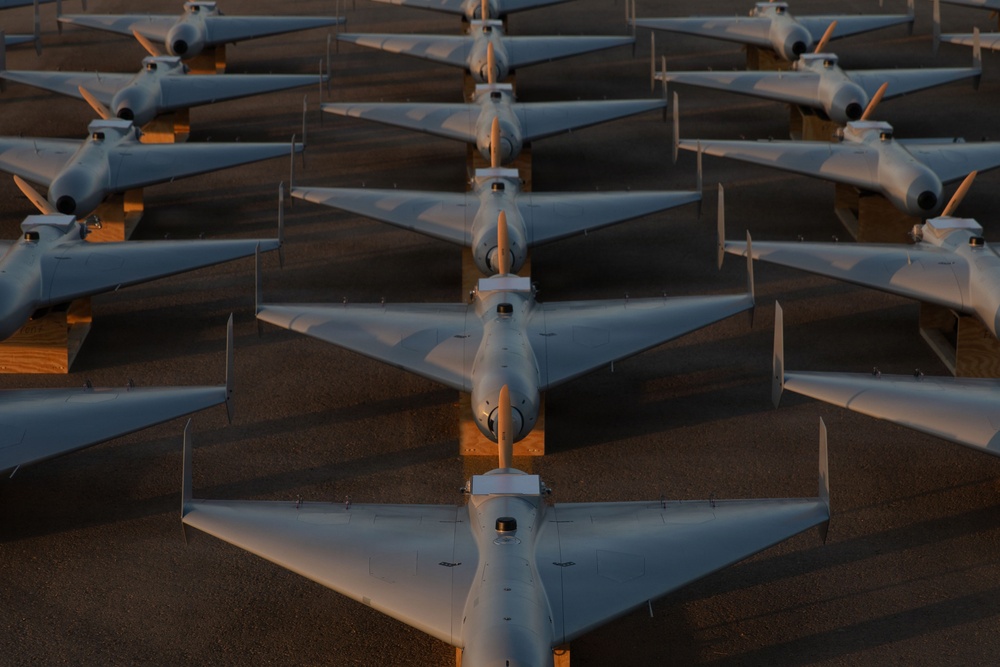
The $35,000 Revolution
The economics tell the real story. A single Tomahawk cruise missile costs roughly $2 million. A Joint Direct Attack Munition dropped from a manned aircraft runs about $25,000 — but the aircraft delivering it costs tens of millions per hour to operate and puts a pilot at risk. LUCAS costs $35,000, total. Launch it, fly it into the target, and walk away. No pilot, no recovery, no maintenance cycle. At that price, the calculus of attrition warfare changes completely. You can afford to lose them. You can afford to launch dozens at once. And you can do it from positions close to the front line without risking a single aircrew. Task Force Scorpion Strike has been launching LUCAS drones from ground positions against Iranian military targets during the ongoing conflict. In a further milestone, Task Force 59 successfully launched a LUCAS from a naval vessel — the first time the system was employed at sea — extending its reach across the Persian Gulf.Poetic Justice or Pandora's Box?
There is an undeniable satisfaction in the narrative. Iran built the Shahed-136 as a cheap, mass-producible weapon of terror — used by Russia against Ukrainian cities, by the Houthis against shipping in the Red Sea, and by Iranian proxies across the Middle East. Now the design has come home, literally, in the form of American-built copies striking Iranian military infrastructure. But defense analysts warn that the LUCAS program also validates a dangerous precedent. If the United States can reverse-engineer an adversary's drone in months, so can anyone else. The barrier to entry for precision-strike capability has collapsed. A $35,000 drone that can fly 444 nautical miles and hit a target is within reach of nearly any state — or non-state actor — on Earth. The age of cheap, expendable, autonomous strike weapons is here. LUCAS is not the end of that story. It is the beginning. Sources: The War Zone, Military Times, The Conversation, Euronews, DVIDSPreguntas relacionadas
What is LUCAS (Low-Cost Uncrewed Combat Attack System)?
LUCAS is America's reverse-engineered copy of Iran's Shahed-136 kamikaze drone. Built by Arizona firm SpektreWorks and costing roughly $35,000 each, it keeps the Shahed's delta-wing, propeller-driven layout but is far lighter. It saw its first confirmed combat use against Iranian forces in February 2026.
What is the Shahed-136 drone?
The Shahed-136 is a HESA-built Iranian kamikaze, or one-way attack, drone that Iran has mass-produced and exported for years. Its simple, low-cost delta-wing design made it one of the most prolific weapons of recent conflicts and the template for America's LUCAS, as well as many cheap attack drones elsewhere.
How much does the LUCAS drone cost?
Each LUCAS costs about $35,000 — a fraction of the price of a conventional missile or manned strike. That low cost is the whole point: it lets the U.S. field large numbers of expendable attack low-cost drones rather than relying on scarce, expensive munitions.
How is LUCAS different from the Shahed-136?
LUCAS keeps the Shahed's basic shape but is dramatically lighter — 81.5 kilograms versus the Shahed's 200. It measures about 3 metres long and 2.5 metres wide, has a range of 444 nautical miles with roughly six hours of endurance, and a ceiling near 15,000 feet.
When was LUCAS first used in combat?
LUCAS saw its first confirmed combat use in February 2026, against Iranian forces, operated by Task Force Scorpion Strike within CENTCOM. By April a former Pentagon official described the system as 'indispensable.'
Who makes the LUCAS attack drone?
LUCAS is built by SpektreWorks, an Arizona-based firm specializing in unmanned systems. After U.S. forces captured an intact Shahed-136, SpektreWorks disassembled it, studied every component and developed the lighter, improved FLM-136, later designated LUCAS.
Why are cheap kamikaze drones changing modern warfare?
Cheap one-way attack drones deliver mass at very low cost, letting forces saturate defences without risking pilots or expensive missiles. The same logic drives Ukraine's use of cheap attack drones, and it is why captured designs like the Shahed are now copied and improved worldwide.
Publicaciones relacionadas
0 Comentarios