
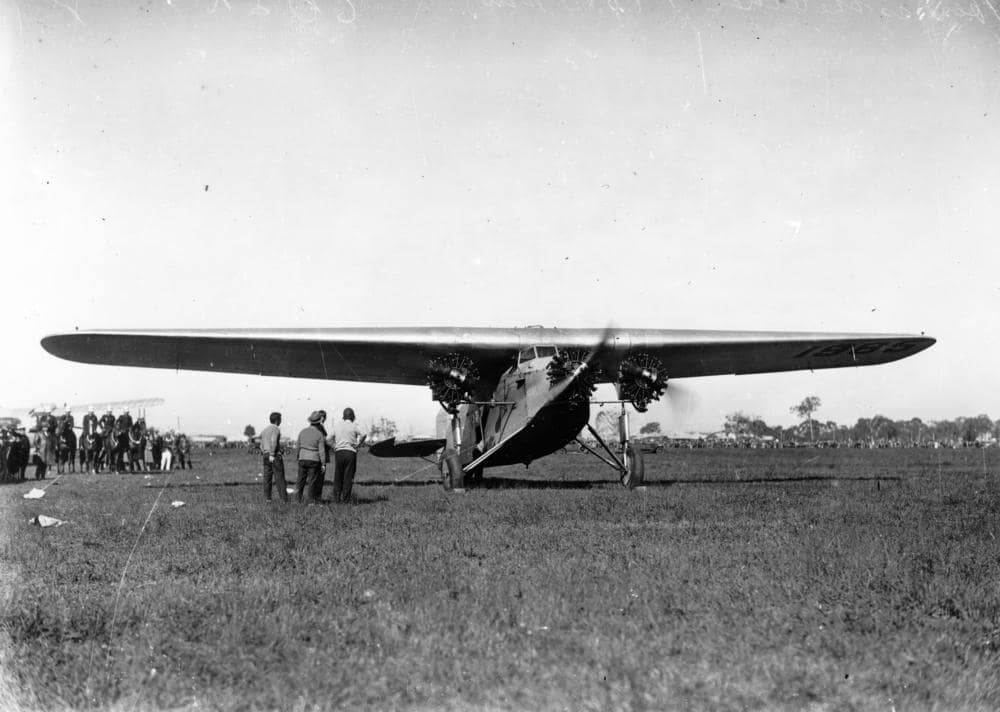
En la primavera de 1928, el Océano Pacífico seguía siendo, en términos aeronáuticos, un vacío. Nadie había volado jamás un avión a través de él. Las distancias eran monstruosas, el clima impredecible y la navegación —sobre miles de millas de agua vacía sin puntos de referencia— rozaba la incógnita. Entonces, un australiano corpulento y sonriente llamado Charles Kingsford Smith apuntó un trimotor de fabricación holandesa llamado Cruz del Sur Partió sobre el agua en Oakland, California, y voló hasta Brisbane. Sería el primer vuelo transpacífico de la historia.
Fueron ochenta y tres horas de vuelo, tres etapas agotadoras y una violenta tormenta que casi acaba con ellos. Al final, "Smithy" y su tripulación habían logrado algo que nadie había conseguido antes: habían realizado el primer vuelo transpacífico y cruzado el océano más grande del mundo por aire.
Datos clave: El primer vuelo transpacífico
- Aeronave: Fokker F.VIIb/3m Cruz del Sur, tres motores Wright J-5 Whirlwind
- Multitud: Charles Kingsford Smith (piloto), Charles Ulm (copiloto), Harry Lyon (navegante, EE. UU.), James Warner (operador de radio, EE. UU.)
- Ruta: Oakland • Hawái • Fiyi • Brisbane
- Distancia: Aproximadamente 7400 millas (11 900 km) en unas 83 horas de vuelo.
- Fechas: Partió el 31 de mayo de 1928; aterrizó en Brisbane el 9 de junio de 1928.
- Recepción: Aproximadamente 25.000 en Brisbane; 300.000 en Sídney al día siguiente.
Un avión de segunda mano y el dinero de otras personas
El Cruz del Sur El avión tenía un pasado complicado antes de que Smithy lo pilotara. El trimotor Fokker había sido construido para el explorador polar Sir Hubert Wilkins, resultó dañado, fue reconstruido y finalmente vendido a Kingsford Smith. Las reparaciones le costaron una fortuna, así que el avión fue comprado por el magnate petrolero californiano George Allan Hancock, quien luego se lo prestó a la tripulación para la travesía. Kingsford Smith lo equipó con tres fiables motores radiales Wright J-5 Whirlwind y un depósito de combustible suficiente para intentar lo imposible.
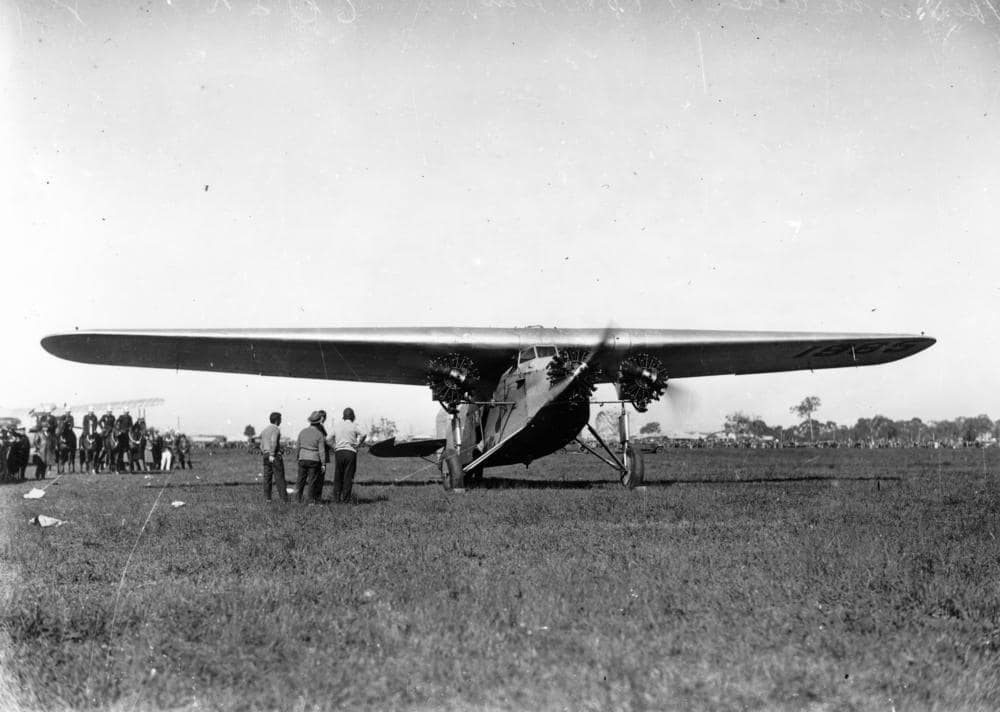
Kingsford Smith no era un aventurero novato. Veterano de Gallipoli y antiguo piloto del Cuerpo Aéreo Real, llevaba años realizando exhibiciones aéreas, transportando correo aéreo y batiendo récords. El Pacífico era, sencillamente, el mayor premio que le quedaba por ganar.
“¡Hola, australianos!”
Charles Kingsford Smith — Piloto y comandante, Cruz del Sur
Ese alegre saludo, pronunciado al bajar de la cabina en Eagle Farm, en Brisbane, se convirtió en una de las frases más famosas de la historia australiana. Pero llegar hasta allí no había sido nada fácil.
Tres piernas a través de un océano vacío
La primera etapa, de Oakland a Wheeler Field en Hawái, cubrió 2406 millas y duró más de 27 horas. La segunda, de Hawái a Suva, Fiyi, fue la más difícil: 3167 millas de océano Pacífico abierto, el vuelo sobre el mar más largo jamás intentado, que culminó con el primer aterrizaje de avión jamás realizado en Fiyi. La tripulación voló durante más de 34 horas, gran parte del tiempo a ciegas, pilotando a mano bajo la lluvia, con la radio averiada y los instrumentos como única guía.
Noticiero de British Pathé que conmemora los vuelos récord de Southern Cross y Kingsford Smith.
El último tramo, de Fiyi a Brisbane, fue el más duro: una violenta tormenta tropical, rayos que desorientaron la brújula, el trimotor cabeceando y quedando a escasos metros sobre las olas. Kingsford Smith describió posteriormente la furia de aquel temporal en términos crudos.
“La mejor muestra que puedo darles de la ferocidad de la tormenta es el hecho de que nuestras hélices se desprendieron en media pulgada.”
Charles Kingsford Smith — Recordando la tormenta de la travesía del Pacífico
Salieron volando, avistaron la costa australiana y aterrizaron en Eagle Farm a las 10:50 de la mañana del 9 de junio de 1928. La multitud era enorme. Al día siguiente volaron a Sídney y aterrizaron ante unas 300.000 personas.
Caballero del cielo
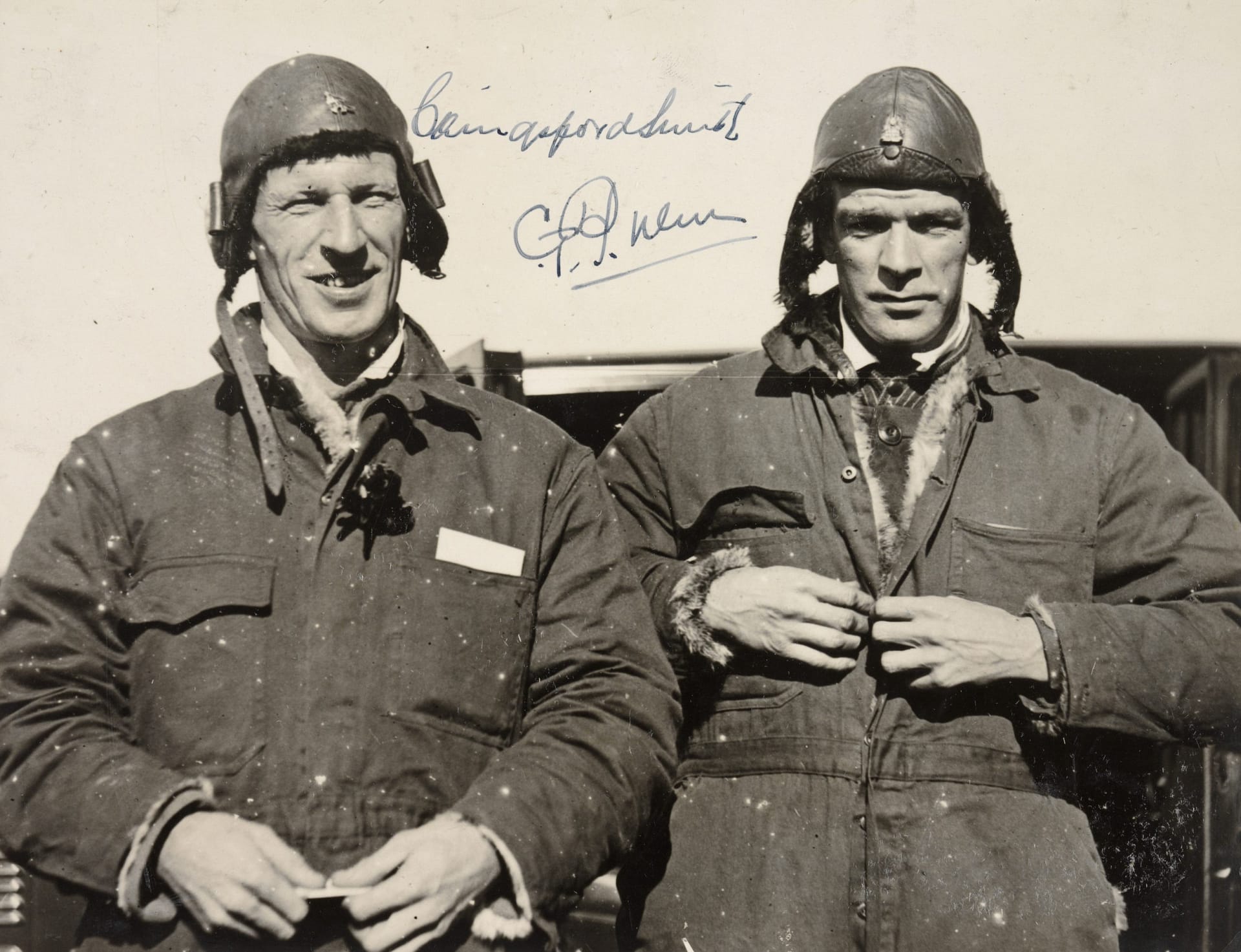
El vuelo convirtió a Kingsford Smith en un héroe nacional y una celebridad internacional. Fue nombrado comodoro honorario de la Real Fuerza Aérea Australiana, recibió la Cruz de la Fuerza Aérea y, posteriormente, fue nombrado caballero. Junto con Ulm, fundó Australian National Airways y siguió batiendo récords: el primer vuelo trans-Tasmania a Nueva Zelanda, un vuelo relámpago entre Inglaterra y Australia, y muchos más.
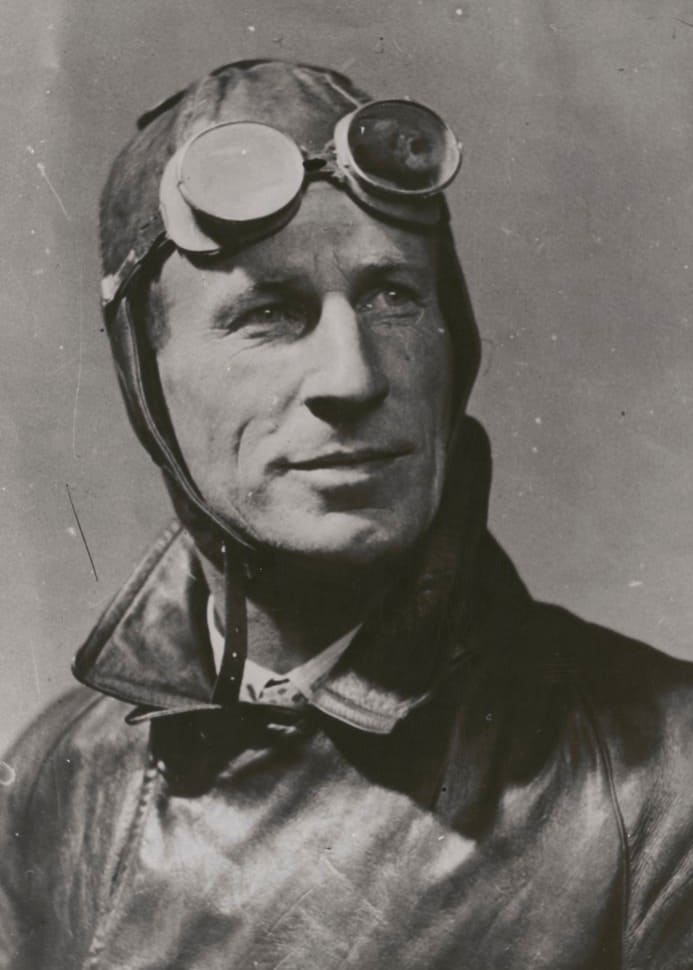
Su suerte se acabó en noviembre de 1935. Volando el Lockheed Altair Cruz del Sur de la Dama En un vuelo nocturno desde la India hacia Singapur, Kingsford Smith y su copiloto Tommy Pethybridge desaparecieron sobre el mar de Andamán. Tenía 38 años. El original Cruz del Sur Le sobrevivió y hoy se conserva en un monumento conmemorativo construido expresamente para ello en el aeropuerto de Brisbane, que lleva su nombre.
La Cruz del Sur conservada, expuesta en el monumento conmemorativo Kingsford Smith del aeropuerto de Brisbane.
Un vistazo más de cerca a la Cruz del Sur y al monumento que alberga los aviones que cruzaron el Pacífico.
Fuentes: Este día en la aviación; Museo Nacional de Australia; Biblioteca Estatal de Queensland; Ases Volando Alto. Distancias y tiempos según registros contemporáneos.

0 Comentarios