
Datos rápidos
| Nacionalidad | Alemán 🇩🇪 |
| Victorias aéreas | 15 |
| Aeronaves voladas | Fokker Eindecker E.III |
| Guerras | Primera Guerra Mundial |
| Nacido / Fallecido | 21 Sep 1890 – 18 Jun 1916 (age 25) |
| Unidad | KEK Douai, Feldflieger-Abteilung 62 |
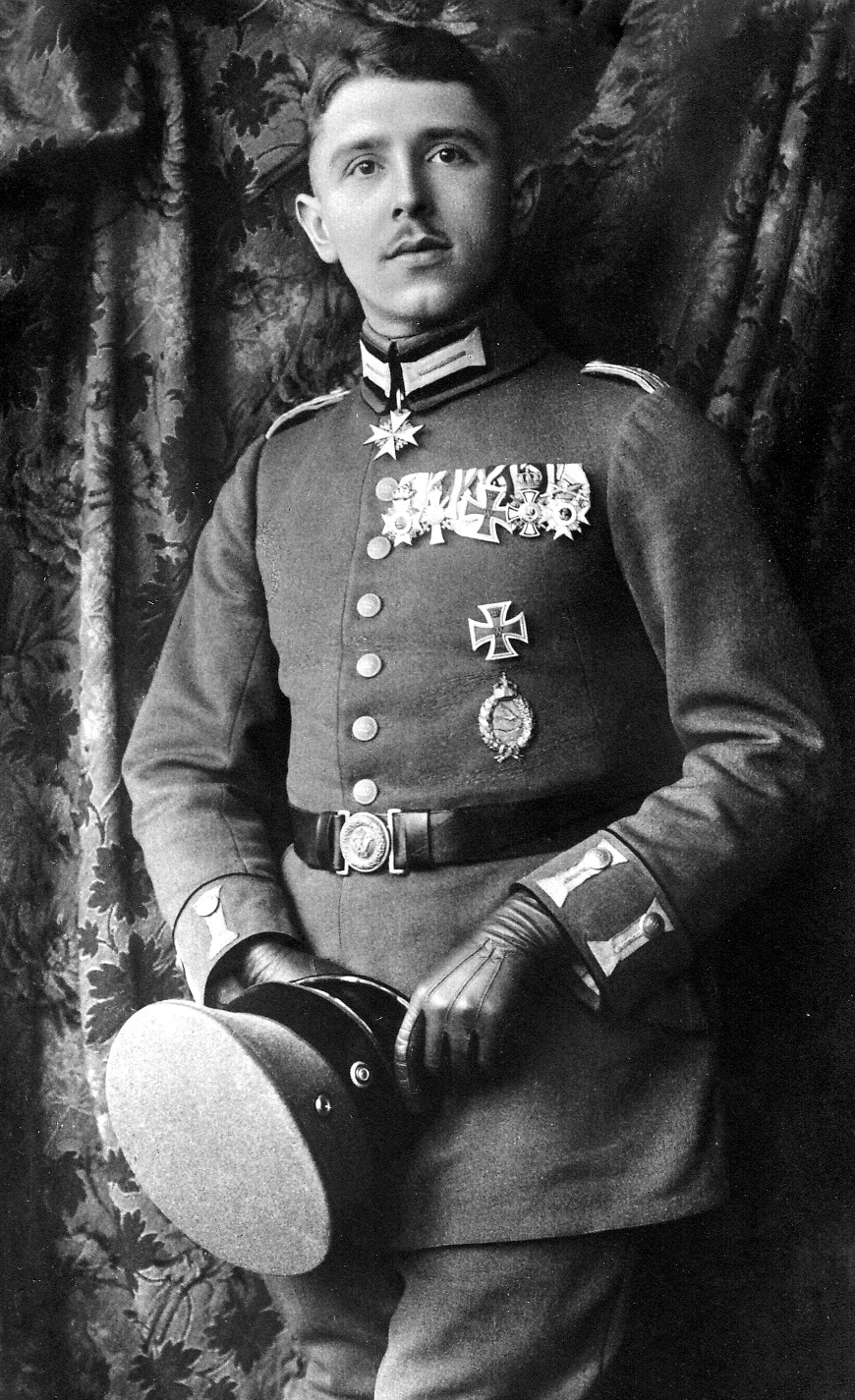
Every pilot who has ever yanked an airplane into a climbing half-loop and rolled upright at the top owes a debt to Max Immelmann. This quiet, bookish German engineer became one of WWI's first aerial superstars — and left behind a maneuver so elegant it still carries his name over a century later.
The Eagle of Lille
Max Immelmann was born in 1890 in Dresden, Germany, and showed early promise in technical subjects. He studied engineering before the war and brought that methodical, problem-solving mindset directly into the cockpit. When WWI broke out, he transferred from the railway corps to the German Air Service, and by 1915 he was flying combat missions over the Western Front.
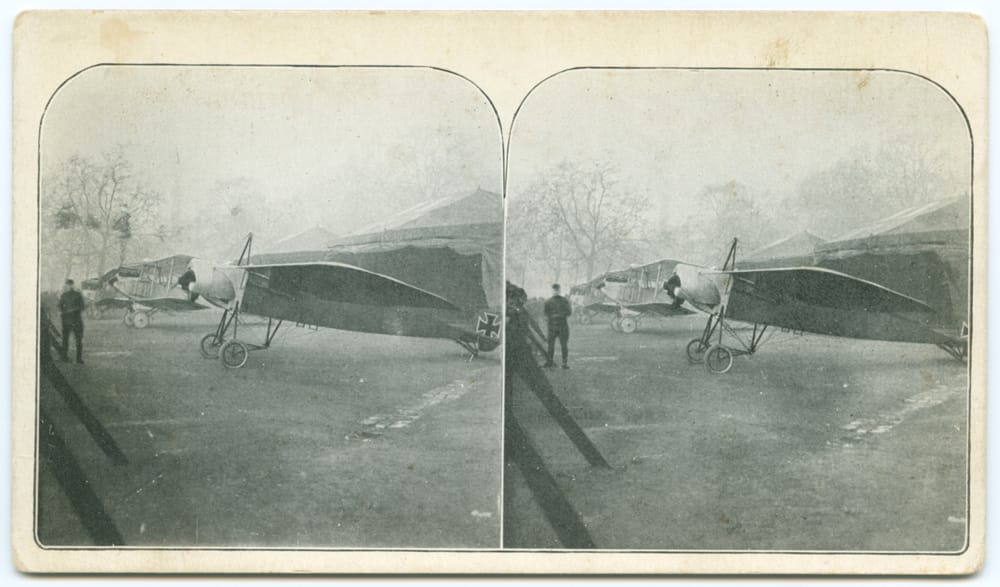
He and his mentor Oswald Boelcke were stationed together at Douai, flying Fokker Eindeckers — the revolutionary monoplane fitted with a synchronised machine gun that could fire through the propeller arc. For the first time in history, a pilot could aim his entire aircraft at an enemy and shoot. Immelmann mastered this weapon with frightening speed.
The Immelmann Turn: Born in Battle
The maneuver that bears his name wasn't invented at a desk — it was developed in the desperate, turning chaos of aerial combat. When Immelmann found himself overshooting a target or needing to reverse direction without losing altitude, he discovered that a climbing half-loop followed by a roll at the top could flip his aircraft 180 degrees while gaining altitude — preserving his energy and repositioning instantly for another attack run.
It was tactically brilliant. An enemy pilot being chased might think he'd escaped — only to find Immelmann coming right back at him from above and head-on. Allied pilots were baffled. German newspapers, thrilled, dubbed him the Adler von Lille — the Eagle of Lille. By early 1916, he had 15 confirmed aerial victories, earning the Pour le Mérite — Prussia's highest military honor, the Blue Max — alongside Boelcke as the first pilots ever to receive it.
A Career Cut Short
On June 18, 1916, Immelmann was killed in action. The exact circumstances remain disputed: British sources claimed he was shot down by FE2b gunner Corporal J.H. Waller; German records suggested a synchronisation gear failure caused his own propeller to destroy his aircraft. He was 25 years old, with 15 kills to his name.
The German high command was so shaken by the loss that they briefly grounded Boelcke — they couldn't risk losing both of their aviation heroes simultaneously. That speaks to just how large Immelmann loomed in the German national imagination.
A Maneuver Immortalized
The Immelmann turn lives on in aerobatics competitions, fighter combat training, and the dreams of every pilot who has ever wanted to flip the energy equation in their favour. It is a reminder that in aerial combat, control of the vertical — altitude, climb rate, energy — is everything. Immelmann understood this before anyone else had words for it.
Not bad for an engineer who just wanted to fly.
“I feel no fear, even when I must fight ten opponents. The Fokker will not fail me.”
— Max Immelmann, letter to his mother, 1916Watch: Max Immelmann Documentary
Preguntas relacionadas
Who was Max Immelmann?
Max Immelmann was a German fighter pilot of World War I, nicknamed "The Eagle of Lille," credited with 15 aerial victories. A trained engineer from Dresden, he became one of the first aerial superstars of the war before being killed in action in June 1916 at the age of 25.
What is an Immelmann turn?
An Immelmann turn is an aerobatic manoeuvre consisting of a half-loop followed by a half-roll, which leaves the aircraft flying in the opposite direction at a higher altitude. It is named after Max Immelmann, who pioneered using vertical manoeuvres to gain advantage in a dogfight.
What aircraft did Max Immelmann fly?
Immelmann flew the Fokker Eindecker E.III, an early monoplane fighter fitted with a synchronised machine gun that could fire through the propeller. This gave German pilots a decisive edge during the period of aerial dominance known as the "Fokker Scourge."
When did Max Immelmann die?
Max Immelmann was killed on June 18, 1916, at the age of 25. The exact cause remains debated, with theories ranging from enemy fire to a failure of his aircraft's gun-synchronisation gear damaging the propeller.
How many victories did Immelmann have?
Max Immelmann was credited with 15 confirmed aerial victories, an impressive total for the earliest period of air combat. He and rival ace Oswald Boelcke became Germany's first celebrated fighter pilots.
Who were the other great fighter aces of World War I?
World War I produced several legendary aces alongside Immelmann, including Oswald Boelcke and, most famously, Manfred von Richthofen. You can read about the Red Baron, who scored 80 kills in his blood-red aircraft, the highest-scoring ace of the war.
0 Comentarios