
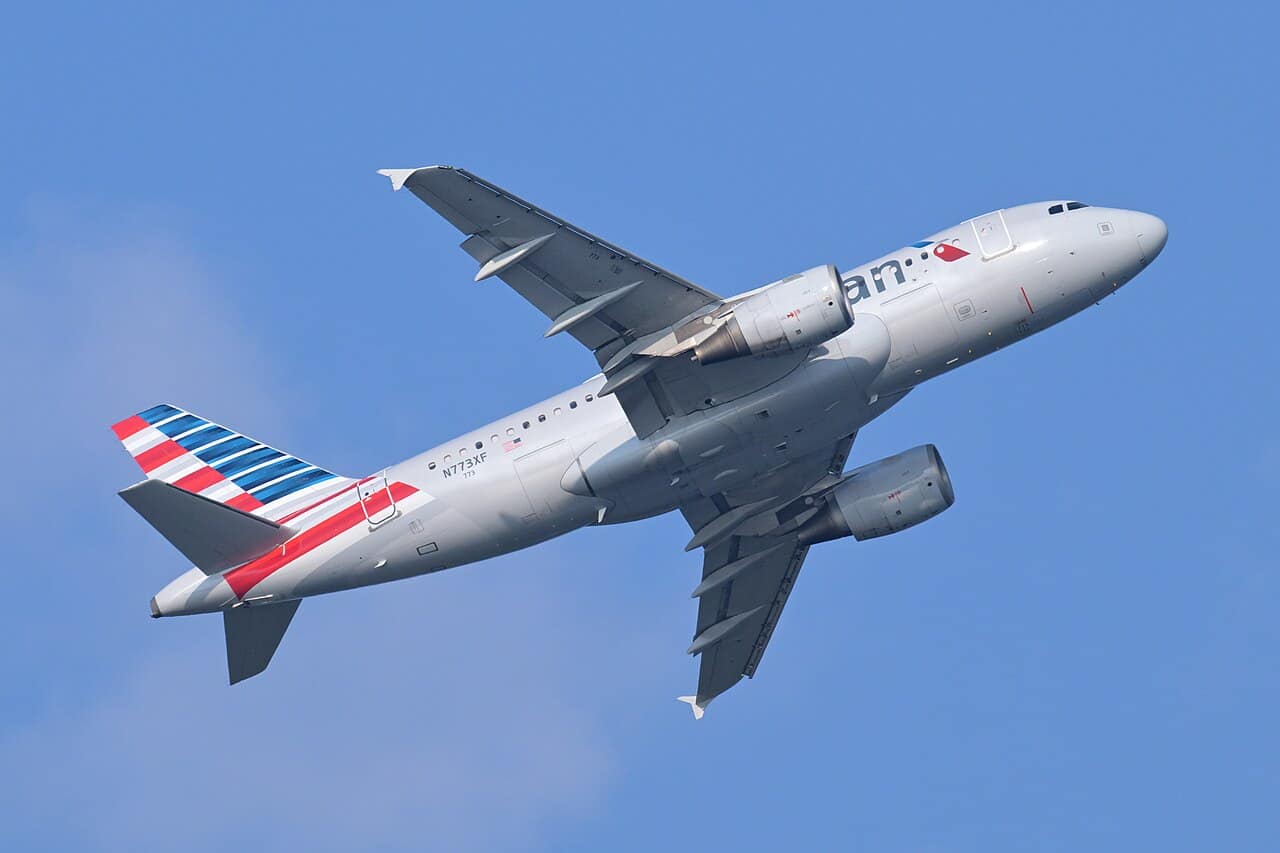
It is just after six o’clock on a Saturday evening at Miami International Airport. American Airlines Flight 308, an Airbus A319 loaded with passengers bound for Bermuda, has been cleared onto Runway 8 and is beginning to roll. Then the crew sees something that should not be there: another jet, crossing the runway directly ahead of them.
The pilots reject the takeoff — hard. The A319 grinds to a halt roughly a third of a mile, about 1,760 feet, short of the intruder. No metal is bent. Nobody is hurt. But in the Federal Aviation Administration’s own words, an aircraft had been crossing “without authorization.”
The cause, according to reporting and the air-traffic-control audio, comes down to a handful of syllables on the radio — a clearance that belonged to a completely different aircraft.
Datos rápidos
| Fecha | Evening of Saturday, 27 June 2026 |
| Dónde | Miami International Airport (MIA), Runway 8 |
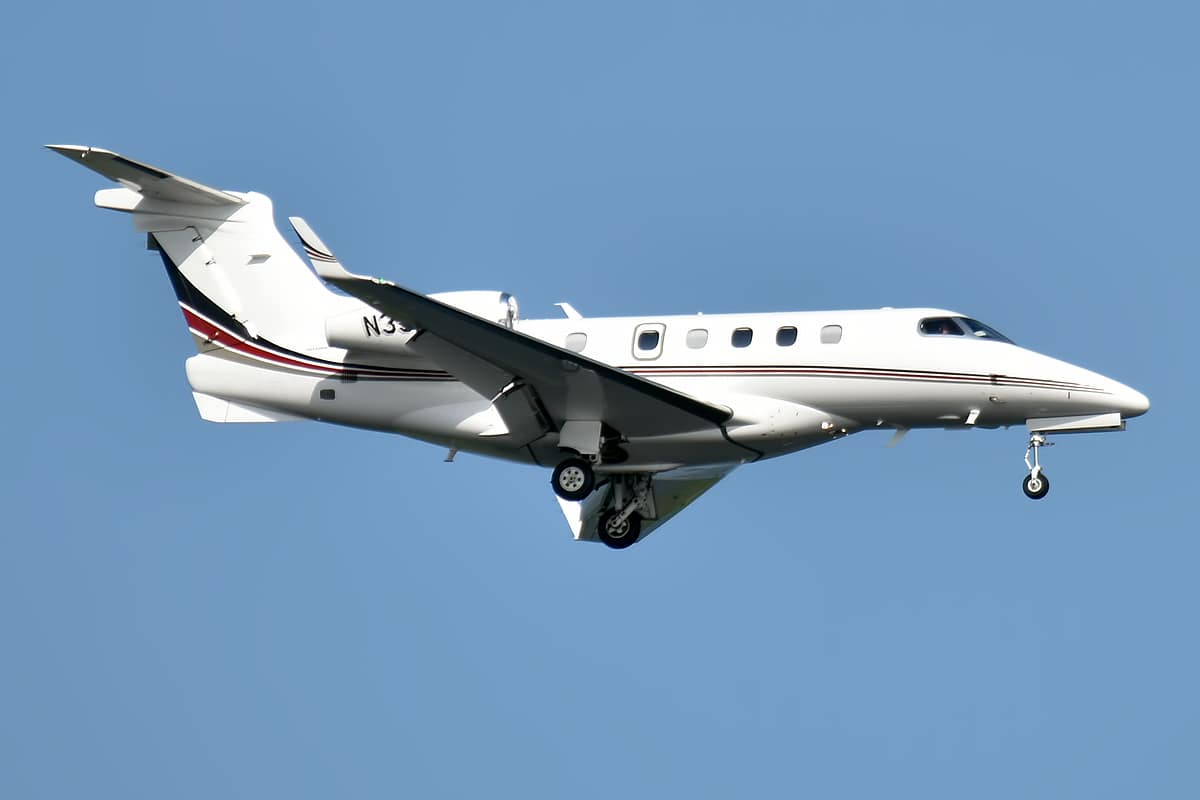
| Aeronave | American Airlines 308 (Airbus A319) and a NetJets-liveried Embraer Phenom 300 (callsign EJA434) |
| Closest separation | About one-third of a mile (~1,760 ft / 536 m) |
| Causa reportada | Call-sign confusion — the crossing clearance was for “Amerijet 461” |
| Estado | No injuries; FAA investigating |
A clearance meant for someone else
The aircraft on the runway was a NetJets-liveried Embraer Phenom 300, using the call sign EJA434. NetJets told Fox News that the jet “was not under NetJets’ operational control at the time of the encounter” — it was reportedly being handled by a third-party maintenance vendor.
According to a LiveATC recording cited by multiple outlets, the controller had cleared a different aircraft — “Amerijet 461” — to cross. The business-jet crew apparently heard a crossing instruction and took it as their own. The exchange that followed was as blunt as aviation radio gets.
Why eyeballs still mattered
What saved Flight 308 was not a clever piece of automation. It was a crew looking out of the window, seeing an aircraft where one should never be, and making the split-second decision to abandon the takeoff. A high-speed rejected takeoff is itself one of the most demanding manoeuvres in commercial flying — full braking, spoilers, reverse thrust, and a heavy jet hauled down before the end of the runway.
Flight 308 was undamaged. After the runway was cleared and the situation sorted out, the A319 departed for Bermuda, arriving about two hours late — a delay that, given the alternative, no passenger would complain about.
A pattern the FAA cannot ignore
Miami joins a lengthening list of 2026 runway incursions and near-misses at busy U.S. airports, and call-sign confusion is one of the oldest hazards in the book: similar-sounding flight numbers, a stepped-on transmission, a readback nobody catches. The FAA says it is investigating.
Two crews, one strip of asphalt, and 1,760 feet between an ordinary two-hour delay and a headline nobody ever wants to write. On this Saturday evening, the margin held.
Sources: Fox News; CNN; Simple Flying; The Travel.
Preguntas relacionadas
What happened with American Airlines Flight 308 in Miami?
On the evening of 27 June 2026, American Airlines Flight 308, an Airbus A319 bound for Bermuda, rejected its takeoff on Runway 8 at Miami International Airport after a business jet crossed the active runway. The aircraft stopped safely, no one was injured, and the flight later departed.
How close did the two aircraft come?
The American Airlines A319 came to a stop roughly one-third of a mile from the business jet — about 1,760 feet, or 536 metres. The crew rejected the takeoff after visually spotting the other aircraft on the runway.
What caused the Miami runway incursion?
Reporting and air-traffic-control audio indicate a call-sign mix-up. The controller had cleared a different aircraft, "Amerijet 461," to cross the runway; the NetJets-liveried Phenom 300 (call sign EJA434) crossed instead. The FAA said the jet was crossing without authorization.
Was anyone hurt in the incident?
No. There were no injuries and no damage to either aircraft. Flight 308 departed for Bermuda after the runway was cleared, arriving about two hours late.
What is a rejected or aborted takeoff?
A rejected (or aborted) takeoff is when the crew abandons the takeoff and brings the aircraft to a stop on the runway, using maximum braking, spoilers, and reverse thrust. It is a demanding, safety-critical manoeuvre reserved for serious problems detected during the takeoff roll.
Is the Miami runway incursion being investigated?
Yes. The Federal Aviation Administration said the business jet had been crossing without authorization and that it is investigating the incident.
Publicaciones relacionadas

0 Comentarios