
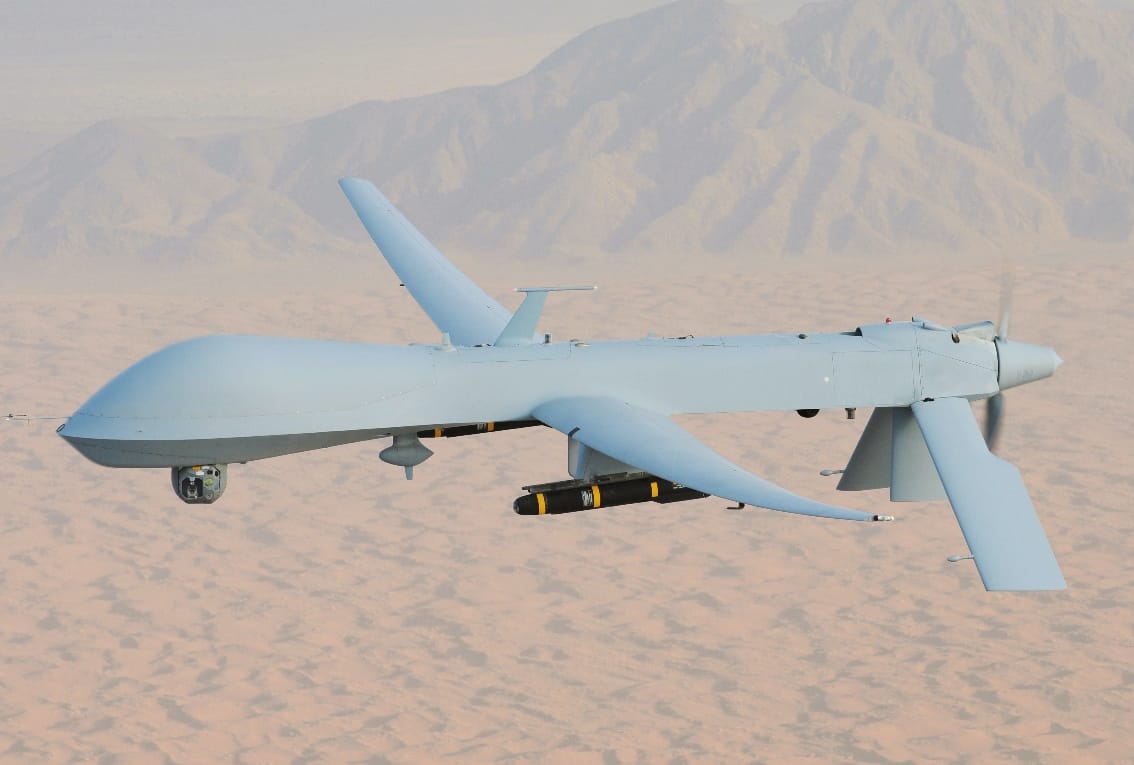
El 31 de mayo de 2026, el CENTCOM emitió un breve comunicado: Irán había derribado un dron estadounidense MQ-1 sobre aguas internacionales. Estados Unidos respondió con ataques contra radares y centros de mando de drones iraníes en las islas de Goruk y Qeshm.
Internet enloqueció de inmediato. El MQ-1 Predator fue retirado oficialmente en 2018. Así que o el Pentágono sacó drones almacenados, o alguien en el CENTCOM tiene un pésimo dominio de la terminología.
Datos rápidos
- Aeronave: General Atomics MQ-1 Predator (RPA)
- Primer vuelo: 1994
- Jubilado: 9 de marzo de 2018
- Envergadura: 14,8 m (48,7 pies)
- Motor: Rotax 914F (115 hp)
- Resistencia: 24 horas
- Estadística clave: Más de 2 millones de horas de vuelo en combate
- Sucesor: MQ-9 Reaper / MQ-1C Gray Eagle
La jubilación que no debía tener secuela
El 9 de marzo de 2018, la Fuerza Aérea celebró una ceremonia formal de retiro para el MQ-1 Predator en la Base Aérea Creech, Nevada. Abraham Karem, el hombre que construyó el precursor del dron en su garaje en la década de 1980, pronunció un discurso fúnebre. El 489.º Escuadrón de Ataque realizó el último vuelo local. El último vuelo de combate fue realizado por el 15.º Escuadrón de Ataque Expedicionario en algún lugar de Oriente Medio, y la tripulación llegó a las 4:45 a. m. para recibir el homenaje.
La carrera del Predator fue extraordinaria: dos millones de horas de vuelo A lo largo de 24 años de servicio, pasó de ser una plataforma de vigilancia desarmada a un cazador-asesino que disparaba misiles Hellfire, cambiando radicalmente la forma en que Estados Unidos libra la guerra.
Se suponía que ya había terminado.
Entra el Águila Gris
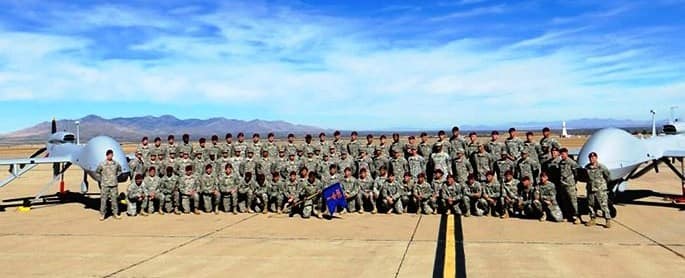
Aquí es donde la denominación se vuelve traicionera. El Ejército de los Estados Unidos opera el MQ-1C Águila Gris, Fabricado por la misma compañía, General Atomics, y basado en la misma línea del Predator, es más grande, con una autonomía de 48 horas frente a las 24 del modelo original, una velocidad máxima de 309 km/h y despegue y aterrizaje totalmente automatizados. El Ejército lo utiliza ampliamente en Oriente Medio.
El detalle crucial: comparte el prefijo de designación MQ-1. Cuando CENTCOM dice "MQ-1", podrían referirse a cualquiera de las dos aeronaves. Y CENTCOM ha señalado explícitamente se negó a aclarar ¿Cuál de ellos derribó Irán realmente?.
Por qué podría tratarse realmente del Depredador
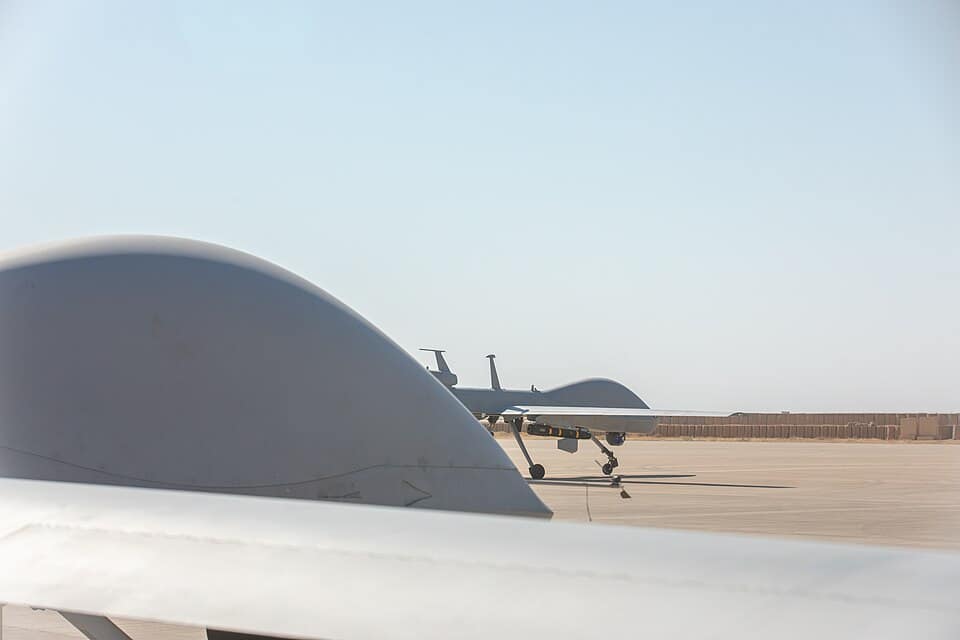
El argumento más convincente para la resurrección del Predator proviene de una simple aritmética. El MQ-9 Reaper, el sucesor más grande, rápido y capaz del Predator, ha estado sufriendo pérdidas devastadoras. El inventario del Reaper tiene Se redujo de 231 aeronaves al comienzo del año fiscal 2025 a solo 135., Perdiendo casi 100 aeronaves en 18 meses de operaciones en Oriente Medio.
Esa tasa de bajas hace que sacar los Predators almacenados en el desierto parezca una decisión lógica. Son baratos, las tripulaciones ya saben cómo pilotarlos, y perder uno por un misil tierra-aire iraní duele mucho menos que perder un Reaper de $32 millones.
De proyecto de garaje a revolucionario global.
La historia del origen del Predator es una de las mayores historias de superación de la aviación. Abraham Karem, un ingeniero aeroespacial israelí, construyó el prototipo de lo que se convertiría en el Predator. en su garaje de Los Ángeles En la década de 1980, su programa Amber dio lugar al GNAT 750, que la CIA utilizó para la vigilancia de Yugoslavia en la década de 1990.
El GNAT evolucionó hasta convertirse en el MQ-1 Predator, que realizó su primer vuelo en 1994 y entró en servicio en 1995. Tras los atentados del 11 de septiembre de 2001, a alguien se le ocurrió la idea de equiparlo con misiles AGM-114 Hellfire, y así nació la era de los drones armados. El MQ-9 Reaper, que realizó su primer vuelo en 2001 y entró en servicio en 2007, transportaba 15 veces la artillería al triple de velocidad.
La pregunta que no desaparece
El silencio del CENTCOM es revelador. Si el derribo se debiera a una pérdida rutinaria de un Gray Eagle, no habría motivo para la ambigüedad: el Ejército pierde drones con regularidad y así lo reconoce. La negativa deliberada a especificar sugiere una preocupación por la seguridad operativa de los despliegues de Gray Eagle, o algo más interesante: que la Fuerza Aérea haya reactivado discretamente los Predator como plataformas de vigilancia desechables en un entorno de alto riesgo.
En cualquier caso, el MQ-1 volverá a realizar misiones de combate en 2026. Ya sea el Predator original que regresa de su retiro o su primo del Ejército que lleva el nombre de la familia, el dron que cambió la guerra se niega a permanecer en tierra.
Fuentes: Revista Air & Space Forces, Defense News, Smithsonian Air & Space, CENTCOM, Imperial War Museums, General Atomics
Preguntas relacionadas
¿Qué es el MQ-1 Predator?
El General Atomics MQ-1 Predator es un avión no tripulado que se convirtió en el icónico dron armado de los inicios de la Guerra contra el Terrorismo. Su primer vuelo tuvo lugar en 1994 y podía permanecer en el aire durante unas 24 horas, realizando tareas de vigilancia y, posteriormente, ataques de precisión con misiles Hellfire sobre zonas de conflicto en todo el mundo.
¿Cuándo se retiró el MQ-1 Predator?
La Fuerza Aérea de los Estados Unidos retiró oficialmente el MQ-1 Predator el 9 de marzo de 2018 en una ceremonia en la Base Aérea Creech, Nevada. Para entonces, este modelo había acumulado más de dos millones de horas de vuelo en combate, pero drones más modernos y con mayores capacidades habían asumido sus misiones.
¿Qué modelo sustituyó al MQ-1 Predator?
El Predator fue sucedido por el MQ-9 Reaper, más grande, rápido y fuertemente armado, junto con el MQ-1C Gray Eagle del Ejército. Estos sucesores llevan más sensores y armas, manteniendo la gran autonomía que hizo tan influyente al Predator original. Hoy en día, incluso robots de combate autónomos están entrando en producción.
¿Cuándo realizó su primer vuelo el Predator?
El MQ-1 Predator realizó su primer vuelo en 1994. Su origen se remonta al diseñador Abraham Karem, quien construyó el antecesor del dron en su garaje en la década de 1980, siendo pionero en las aeronaves no tripuladas de largo alcance que transformarían la guerra moderna.
¿Cuánto tiempo puede permanecer en el aire el MQ-1 Predator?
El Predator podía permanecer en el aire durante aproximadamente 24 horas en una sola misión, impulsado por un pequeño motor Rotax 914F de unos 115 caballos de fuerza. Esta autonomía permitía que una sola aeronave sobrevolara un objetivo durante todo un día, una capacidad que transformó las operaciones de vigilancia y ataque.
¿Quién inventó el dron Predator?
El diseño del Predator se remonta a Abraham Karem, un ingeniero israelí-estadounidense a menudo considerado el padre fundador de la tecnología de vehículos aéreos no tripulados (UAV). En la década de 1980, construyó los primeros drones de largo alcance en su garaje, y su trabajo dio origen directamente a la familia Predator de General Atomics.
¿Sigue en funcionamiento el MQ-1 Predator?
Aunque fue retirada del servicio estadounidense en 2018, la familia Predator sigue viva a través de exportaciones, derivados y el desarrollo continuo de sistemas no tripulados. También se han perdido Predators en combate, por ejemplo, cuando Irán derribó uno. — y el campo más amplio de los drones sigue expandiéndose hacia funciones de entrega civiles.
Publicaciones relacionadas
Cómo el radar AESA cambió el combate aéreo
Merlín Oscuro: El compañero robot
0 Comentarios