
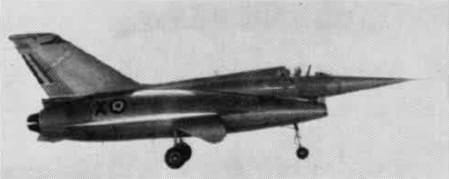
En algún lugar del centro de Francia, a finales de la década de 1950, el piloto de pruebas André Turcat lleva un extraño avión de ala delta a una velocidad que supera el límite de un motor a reacción convencional. Es entonces cuando el Nord Griffon cobra vida. Detrás de él, un estatorreactor del tamaño de una habitación pequeña se enciende, y la aceleración lo empuja contra su asiento. La máquina ya no vuela con su motor a reacción. Vuela solo con fuego y flujo de aire.
El Nord 1500 Griffon fue uno de los experimentos más audaces —y extraños— en la historia de la propulsión a reacción. Y el hombre que lo pilotaba llegaría a volar el Concorde.
DATOS RÁPIDOS
| Aeronave | Nord 1500 Griffon (Francia) |
| Primer vuelo | Griffon I, 1955; Griffon II con motor estatorreactor, 1957 |
| Central eléctrica | Turborreactor dentro de un conducto de estatorreactor: un motor de ciclo combinado. |
| Velocidad máxima | Acerca de Mach 2.19 |
| Piloto de pruebas | André Turcat, más tarde piloto de pruebas jefe del Concorde |
| Construido | Solo dos, nunca entraron en servicio. |
Un motor dentro de un motor
El secreto del Griffon era una planta motriz de ciclo combinado: un turborreactor montado adentro Un enorme conducto de estatorreactor. Un estatorreactor no tiene partes móviles: simplemente introduce aire a presión, quema combustible y lo expulsa. Sin embargo, solo funciona cuando la aeronave ya está en movimiento a alta velocidad. Por lo tanto, el Griffon utilizaba su turborreactor para acelerar hasta alcanzar la velocidad adecuada, momento en el que el estatorreactor se encendía y tomaba el control, proporcionando un empuje con el que un caza convencional de la época solo podía soñar.
El resultado fue una aceleración feroz y una velocidad máxima cercana a Mach 2,19, algo extraordinario para mediados de la década de 1950. Pero esto tuvo un precio: el estatorreactor generaba un calor brutal, consumía combustible en grandes cantidades y hacía que la aeronave fuera extremadamente compleja.
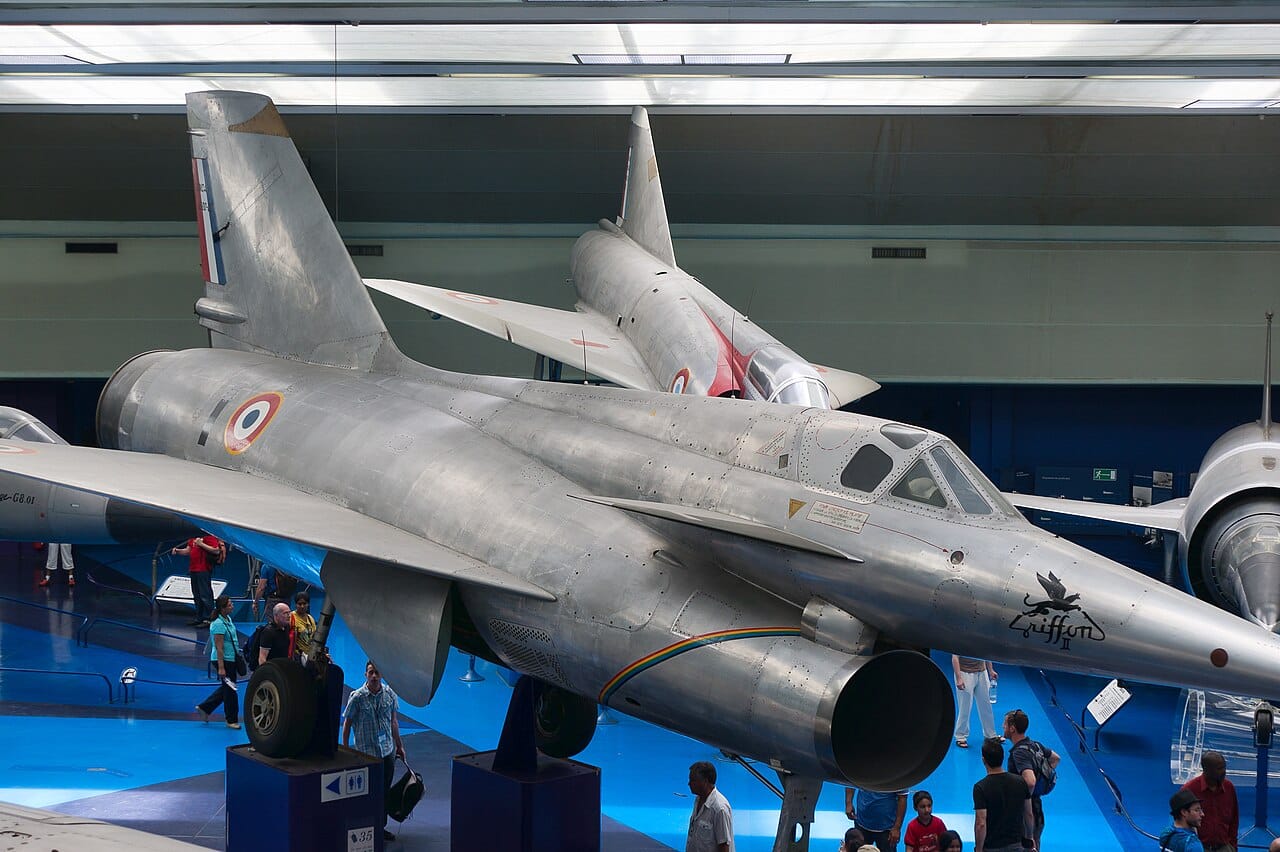
El piloto que volaría el Concorde
A los mandos estaba André Turcat, uno de los mejores pilotos de pruebas de Francia. Con el Griffon, estableció un récord mundial de velocidad en un circuito cerrado de 100 kilómetros, domando una aeronave que era tanto un horno volador como un caza. Una década después, Turcat llevaría al Concorde a surcar los cielos por primera vez, llevando consigo las lecciones aprendidas del calor y la velocidad del Griffon.
Un magnífico callejón sin salida
A pesar de su brillantez, el Griffon nunca tuvo futuro. El turborreactor-estatorreactor combinado era demasiado complejo y generaba demasiado calor para ser práctico, y ofrecía poco que un interceptor convencional no pudiera hacer de forma más económica. Francia apostó por el Dassault, más sencillo y elegante. Mirage III — que llegó a convertirse en uno de los grandes cazas de exportación del siglo — y el programa Griffon terminó con tan solo dos aviones construidos.
Hoy en día, uno de ellos se conserva en un museo, con su enorme entrada de aire aún abierta como la boca de un depredador mecánico. Nunca disparó un solo tiro en combate. Pero durante algunos años de la década de 1950, fue uno de los aparatos más rápidos y salvajes del cielo, y la prueba de que los ingenieros franceses estaban dispuestos a intentar casi cualquier cosa para alcanzar el futuro.
Fuentes: Museo del aire y del espacio, Le Bourget; Archivos de vuelos internacionales; Registros históricos de la aviación francesa.
Preguntas relacionadas
¿Qué era el Nord 1500 Griffon?
El Nord 1500 Griffon fue un interceptor experimental francés de la década de 1950, construido en torno a un motor combinado de turborreactor y estatorreactor. Un motor a reacción convencional aceleraba la aeronave hasta que un enorme estatorreactor tomaba el relevo, impulsándola a más de Mach 2. Solo se construyeron dos unidades y nunca entró en servicio.
¿Cómo funcionaba el motor del Griffon?
El Griffon utilizaba un sistema de propulsión de ciclo combinado: un turborreactor montado dentro de un gran conducto de estatorreactor. El turborreactor impulsaba la aeronave y, una vez que alcanzaba la velocidad suficiente, el estatorreactor —que solo funciona a altas velocidades— se encendía y proporcionaba un empuje enorme. Fue uno de los experimentos de propulsión más audaces de la época.
¿Quién pilotaba el Grifo del Norte?
El piloto de pruebas del Griffon fue André Turcat, quien estableció un récord mundial de velocidad en un circuito de 100 kilómetros a finales de la década de 1950. Posteriormente, Turcat se hizo famoso como piloto jefe de pruebas del Concorde, realizando el primer vuelo del avión supersónico en 1969.
¿Qué tan rápido era el Nord Griffon?
El Griffon II alcanzó aproximadamente Mach 2,19 y estableció un récord internacional de velocidad en un circuito cerrado. Para un avión de mediados de la década de 1950, eso era impresionante: el estatorreactor le proporcionaba una aceleración que pocos contemporáneos podían igualar, aunque el calor y la complejidad eran considerables.
¿Por qué el Griffon no entró en servicio?
El sistema combinado de turborreactor y estatorreactor era complejo, generaba un calor sofocante y ofrecía poco que un caza convencional no pudiera. Francia optó por el Dassault Mirage III, más sencillo, económico y de gran éxito, y el Griffon se quedó como un experimento con dos aviones.
Publicaciones relacionadas
El F-104 Starfighter: Una obra maestra convertida en asesino.
0 Comentarios