
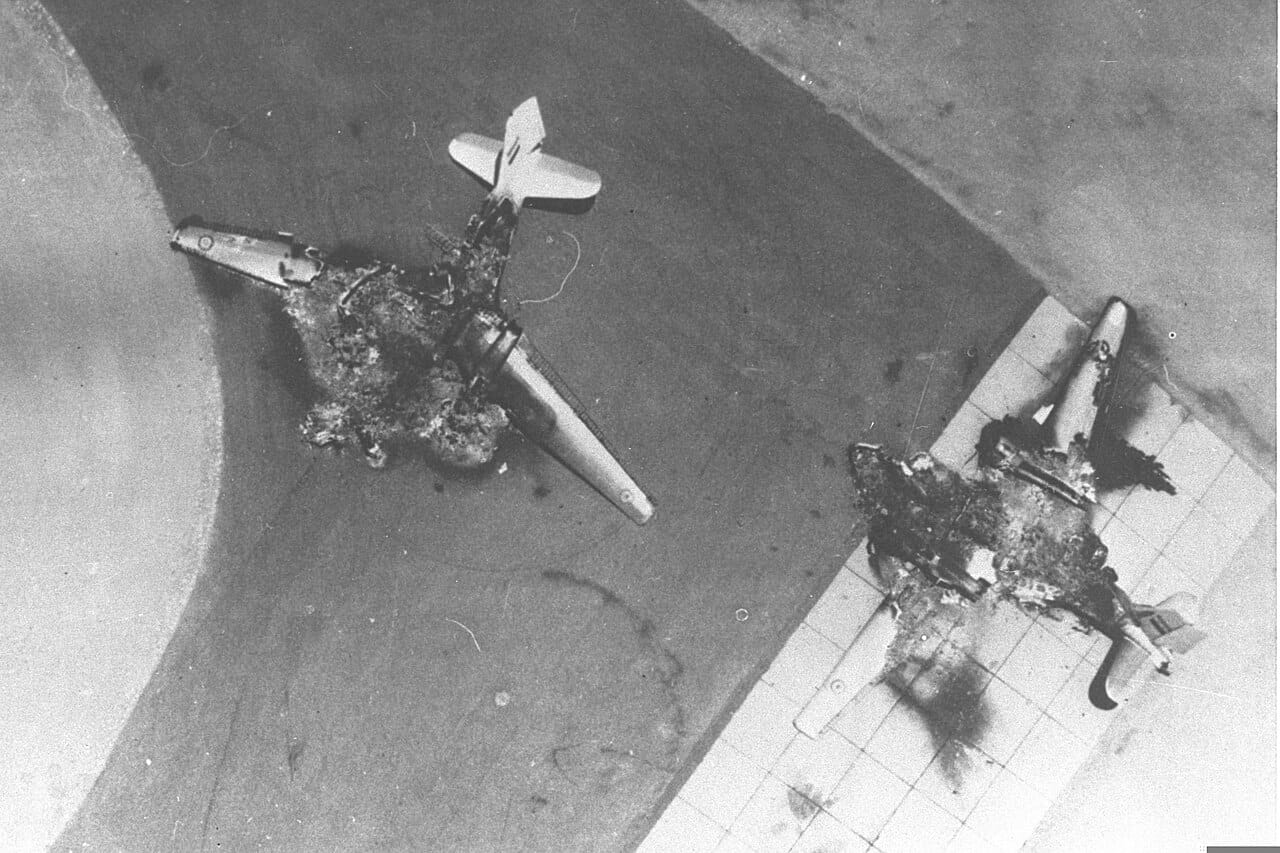
A las ocho menos cuarto de la mañana del 5 de junio de 1967, los oficiales de la defensa aérea egipcia estaban cambiando de turno, la patrulla del amanecer había aterrizado y cientos de cazas de fabricación soviética permanecían estacionados en filas ordenadas en dieciocho aeródromos. En aproximadamente tres horas, la mayoría de ellos estaban en llamas. La Guerra de los Seis Días se decidió antes de que muchos pilotos egipcios terminaran de desayunar, y se decidió en el aire.
El plan israelí se llamaba Moked (Enfoque) y sigue siendo el ejemplo de libro de texto de lo que sucede cuando una fuerza aérea sorprende a otra en tierra.
Datos rápidos
| Operación | Focus (Moked), el ataque inicial de la Guerra de los Seis Días. |
| Cuando | Desde las 07:45 del 5 de junio de 1967 |
| Comandante | Mayor General Mordechai Hod, Fuerza Aérea Israelí |
| Fuerza | Se desplegaron 196 aviones de combate, casi la totalidad de la Fuerza Aérea Israelí, y solo 12 se mantuvieron en reserva para defender a Israel. |
| Primera ola | Alrededor de 200 aviones egipcios fueron destruidos y 10 aeródromos fueron atacados antes de que los egipcios pudieran reaccionar. |
| Al mediodía | Aproximadamente 450 aviones árabes destruidos por la pérdida de 19 aviones israelíes. |
El ensayo de dieciséis años
La estrategia funcionó porque prácticamente nada se dejó al azar. Los planificadores israelíes habían estudiado los hábitos egipcios durante años: cuándo aterrizaban las patrullas al amanecer, cuándo se desplazaban los oficiales superiores, cuándo se disipaba la niebla matutina sobre el delta del Nilo. Eligieron las 7:45 precisamente porque era el punto de inflexión en el día egipcio: lo suficientemente tarde como para que las patrullas matutinas hubieran aterrizado y repostado, pero lo suficientemente temprano como para que los aeródromos aún no estuvieran en alerta máxima.
Los grupos de ataque sobrevolaron el Mediterráneo a baja altura, por debajo del radar egipcio, manteniendo silencio de radio, para luego girar hacia el sur y regresar desde el mar. Cuando posteriormente se le pidió al comandante de la Fuerza Aérea Israelí que explicara el éxito de la operación, su respuesta fue sorprendentemente breve.
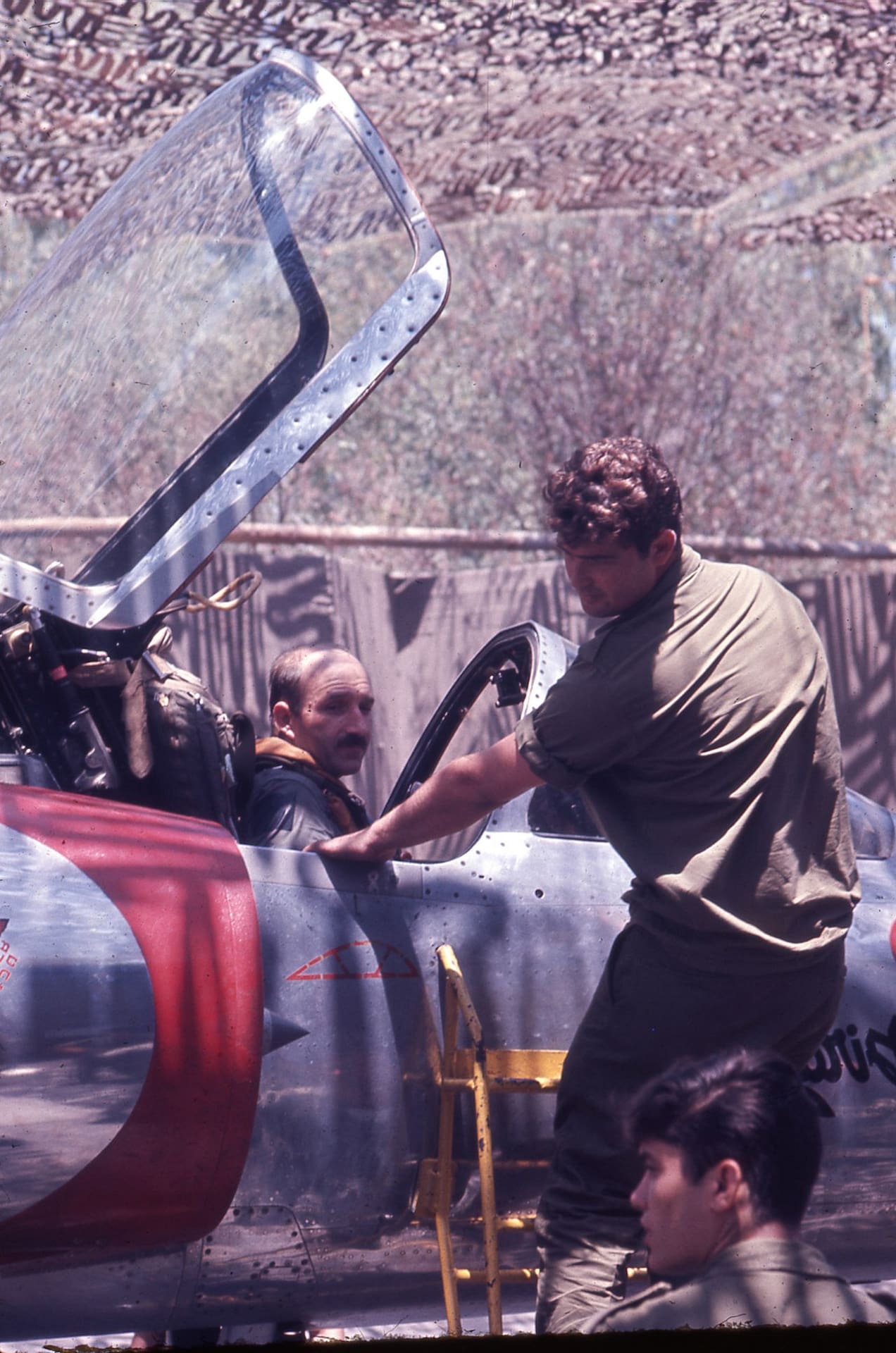
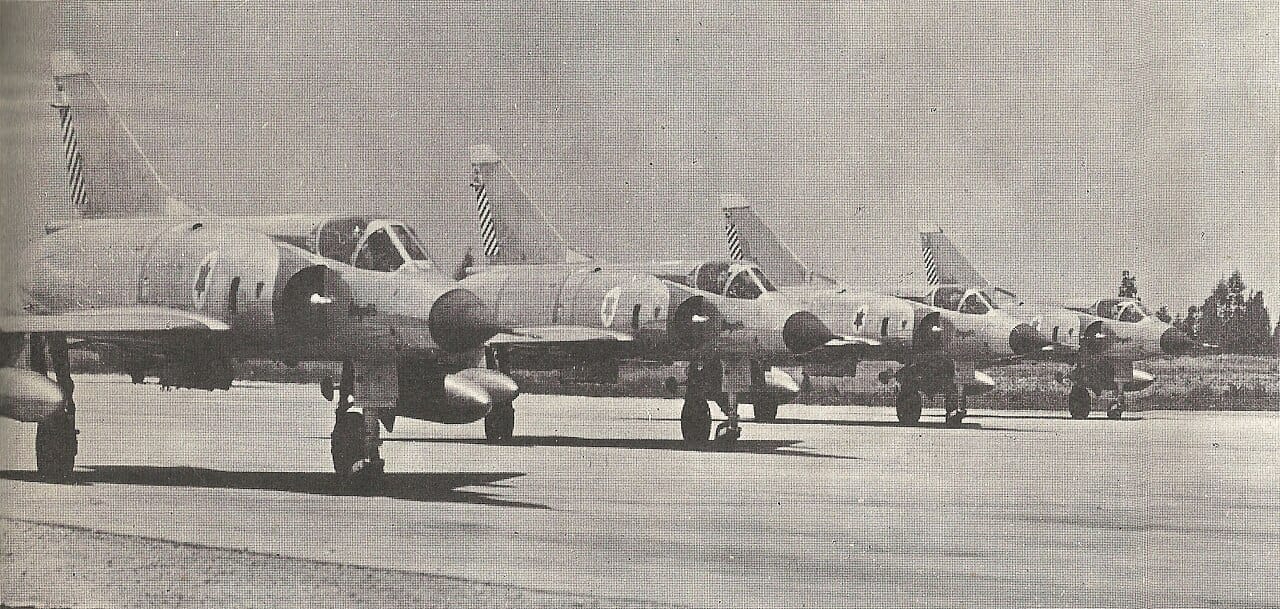
Imágenes de época de la Fuerza Aérea israelí durante los ataques de 1967.
Doscientos aviones antes de que los egipcios pudieran reaccionar.
La primera oleada impactó casi simultáneamente en diez bases egipcias. Bombas especializadas destrozaron las pistas de aterrizaje, atrapando a cualquier avión que hubiera podido despegar, y luego los cazas regresaron en pasadas de ametrallamiento para destruir las filas de aviones estacionados con fuego de cañón. Aproximadamente doscientos aviones egipcios fueron destruidos solo en esa primera oleada.
Lo que la hacía implacable era la rapidez con la que se realizaban los cambios. El personal de tierra israelí reabastecía de combustible y rearmaba los aviones que regresaban en tan solo siete minutos y medio, enviándolos de nuevo para un segundo y tercer ataque. Toda la fuerza se comportaba más como una máquina que como un ataque aéreo.
Luego Jordania, Siria e Irak
Cuando Jordania, Siria e Irak entraron en la guerra esa tarde, la Fuerza Aérea Israelí simplemente amplió su lista de objetivos. Al anochecer, había atacado a las cuatro fuerzas aéreas árabes, destruyendo unos 452 aviones a lo largo del día, con la pérdida de 19 de los suyos en la primera oleada. Egipto perdió la mayoría; la pequeña fuerza aérea de Jordania fue aniquilada por completo.
La consecuencia fue la supremacía aérea total. Durante el resto de la guerra, las columnas terrestres israelíes en el Sinaí, Cisjordania y los Altos del Golán avanzaron bajo un cielo que les pertenecía, mientras que los ejércitos árabes se movían —y eran bombardeados— a cielo abierto.
Un análisis detallado del primer día de la guerra y del ataque Focus.
Por qué sigue siendo importante
La Operación Focus se estudia en todas partes porque reveló una dura verdad: el poder aéreo es más decisivo no en los combates aéreos, sino en los primeros noventa minutos, contra un enemigo que aún no ha despegado. Fue también una apuesta colosal: Hod desplegó casi todos los aviones operativos de Israel, dejando apenas una docena para defender las ciudades del país. Si la inteligencia hubiera sido errónea, el resultado podría haber sido catastrófico.
No se equivocaron. Y en las décadas transcurridas desde entonces, todas las fuerzas aéreas que planean un primer ataque —y todas las que lo temen— se han comparado con la mañana en que la Fuerza Aérea Israelí ganó una guerra antes del mediodía.
Un análisis moderno de por qué la Operación Focus sigue siendo una de las campañas aéreas más exitosas de la historia.
Fuentes: CBN News; Museos Imperiales de Guerra; Simon Dunstan, La Guerra de los Seis Días 1967: Sinaí; Archivos de la Fuerza Aérea Israelí.
Preguntas relacionadas
¿Qué fue la Operación Focus?
La Operación Focus (Moked) fue el primer ataque aéreo israelí de la Guerra de los Seis Días, lanzado a las 07:45 del 5 de junio de 1967. En aproximadamente tres horas, la Fuerza Aérea Israelí destruyó unos 200 aviones egipcios en tierra y atacó diez aeródromos, decidiendo la guerra en el aire antes de que Egipto pudiera reaccionar.
¿Cuándo tuvo lugar la Operación Focus?
Comenzó a las 7:45 de la mañana del 5 de junio de 1967, la primera jornada de la Guerra de los Seis Días. La elección del momento fue deliberada: lo suficientemente tarde como para que las patrullas egipcias del amanecer hubieran aterrizado y estuvieran repostando, pero lo suficientemente temprano como para que los aeródromos aún no estuvieran en estado de máxima alerta.
¿Por qué atacó Israel a las 07:45?
Los planificadores israelíes habían estudiado las rutinas egipcias durante años y eligieron las 7:45 como el punto de inflexión en el día egipcio: las patrullas del amanecer habían terminado y estaban repostando, los oficiales superiores se desplazaban a sus puestos de trabajo y la niebla matutina sobre el delta del Nilo se había disipado. Los aviones de ataque volaban a baja altura sobre el mar en silencio de radio.
¿Cuántos aviones destruyó la Operación Focus?
Para el mediodía del 5 de junio de 1967, unos 450 aviones árabes habían sido destruidos, a cambio de la pérdida de 19 aviones israelíes. Tan solo la primera oleada causó la destrucción de unos 200 aviones egipcios y atacó diez aeródromos, paralizando a la Fuerza Aérea Egipcia en tierra.
¿Quién comandó la Fuerza Aérea israelí durante la Operación Focus?
El general de división Mordechai Hod comandó la Fuerza Aérea Israelí durante la Operación Focus. Desplegó 196 aviones de combate, casi la totalidad de la Fuerza Aérea Israelí, reservando solo 12 para defender el espacio aéreo israelí durante el ataque.
¿Por qué se considera la Operación Focus un ataque aéreo de manual?
Sigue siendo el ejemplo clásico de cómo destruir una fuerza aérea enemiga en tierra mediante una planificación meticulosa: años de estudio de los hábitos del enemigo, sincronización precisa, vuelo a baja altitud por debajo del radar y silencio de radio. Posteriormente, Israel llevó a cabo otras audaces operaciones aéreas, como la de 1976. Rescate de Entebbe.
¿Qué es un ataque aéreo preventivo?
Un ataque aéreo preventivo alcanza a las fuerzas enemigas —a menudo aeronaves en tierra— antes de que puedan ser utilizadas, como hizo Israel en la Operación Focus. Los ataques aéreos sorpresa siguen siendo un instrumento fundamental del poder aéreo, visto décadas después en operaciones como la de 1986. Incursión estadounidense en Libia.
Publicaciones relacionadas


0 Comentarios