
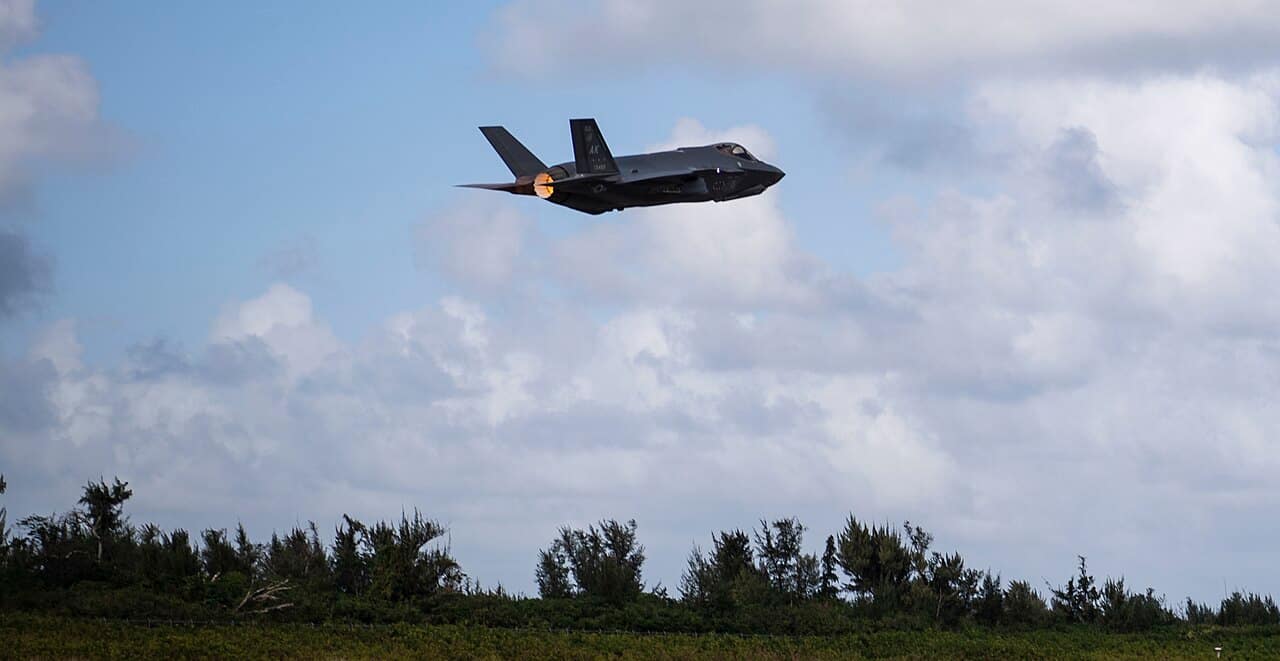
Durante dos décadas, los contribuyentes que pagaron la factura del arma más cara de la historia de la humanidad recibieron un único informe anual honesto sobre ella: la revisión anual de la Oficina de Responsabilidad Gubernamental. F-35. Este año, el Pentágono lo guardó bajo llave en un cajón.
La Oficina de Responsabilidad Gubernamental (GAO) confirmó el 15 de julio de 2026 que el Departamento de Defensa había clasificado su último informe sobre la producción y modernización del F-35 como "Información no clasificada controlada", una etiqueta burocrática que significa que ni una sola página llega al público. Según el organismo de control, es la primera vez en más de 20 años de revisiones anuales del F-35 que se retiene el informe completo.
El momento elegido no es precisamente sutil. Las últimas revisiones públicas de la GAO fueron duras, y ahora el único documento que permitía a los observadores externos tener una visión clara del avión de un billón de dólares ha desaparecido.
Datos rápidos
| Informe | “Caza de ataque conjunto F-35: Actualización sobre la producción y los esfuerzos de modernización” |
| Estado | Información totalmente retenida: designada como Información No Clasificada Controlada (CUI, por sus siglas en inglés). |
| Primer tiempo | En más de 20 años de revisiones anuales de la GAO (obligatorias por el Congreso desde 2005) |
| Costo de por vida del programa | Se prevé que supere los $2 billones |
| Flota planificada | Aproximadamente 2470 aeronaves a lo largo de un ciclo de vida de 77 años. |
| Tasa de plena capacidad operativa (año fiscal 2025) | ~25%, una disminución con respecto a los 38% del año fiscal 2021 (según informes públicos anteriores de la GAO). |
Dos décadas de luz solar, apagadas.
El Congreso ordenó a la GAO que revisara el F-35 anualmente a partir de 2005, y desde entonces, cada año ha emitido un veredicto público sobre los plazos, los costos y la disponibilidad operativa. Esta racha acaba de terminar. Los auditores afirman que el Pentágono determinó que la versión de este año contiene CUI (una categoría para material sensible pero no clasificado) y restringió todo su contenido.
La GAO no ocultó su malestar con la decisión, señalando lo inusual que es que una de sus revisiones de adquisiciones quede archivada por completo.
Los legisladores clave tendrán acceso a los resultados, pero no todos los miembros del Congreso recibirán la versión completa y sin censura, y los votantes no recibirán nada en absoluto. Para un programa que el público ha estado financiando durante un cuarto de siglo, esto representa un duro golpe.
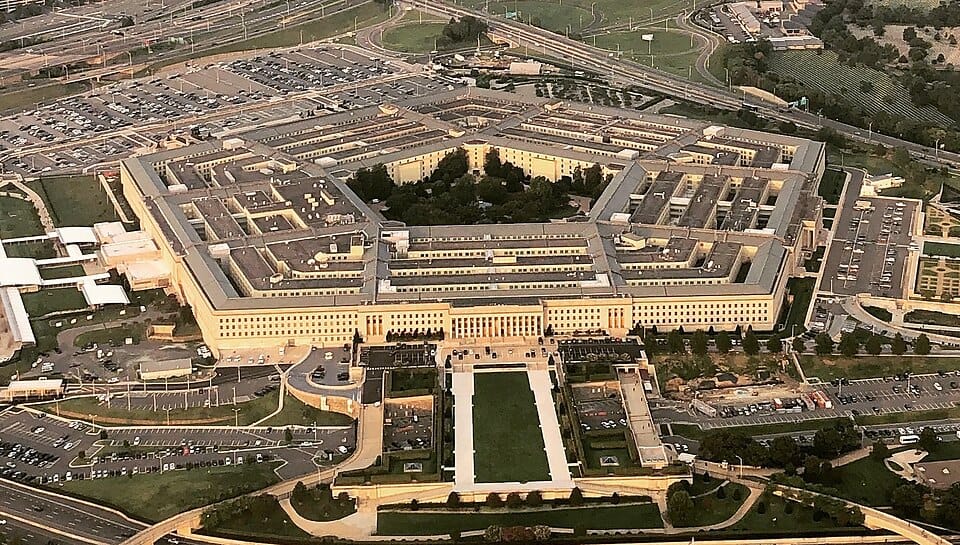
Lo que el público ya sabía
Esta medida resulta especialmente dolorosa porque los informes públicos recientes no fueron nada halagadores. Las revisiones anteriores de la GAO estimaron que el costo total proyectado del F-35 durante su vida útil superaría los 1402 billones de dólares, abarcando aproximadamente 2470 aeronaves y un ciclo de vida de 77 años, impulsado principalmente por el costo de mantener los aviones en vuelo en lugar de comprarlos.
La preparación operativa reflejaba una situación similar. El porcentaje de F-35 capaces de realizar todas sus misiones asignadas —la tasa de plena operatividad— se había reducido a aproximadamente una cuarta parte de la flota en el año fiscal 2025, muy por debajo de los objetivos que las propias fuerzas armadas se habían fijado. Estas cifras eran las que el informe anual solía revelar.
Por qué es importante
A los defensores de la transparencia les preocupa menos este informe en particular que el precedente que sienta. Si el Pentágono puede ocultar su programa más examinado bajo la etiqueta de "información controlada no clasificada" (CUI, por sus siglas en inglés), esa misma etiqueta puede sofocar silenciosamente la supervisión del siguiente. Varios analistas han instado al Congreso a exigir una versión pública con información censurada, una justificación detallada del uso de la etiqueta CUI y una fecha límite de publicación definitiva.
El F-35 seguirá volando, seguirá costando una fortuna y seguirá acaparando titulares. La diferencia, a partir de este año, es que la ventana de entrada más clara al F-35 se ha cerrado, y nadie fuera de un círculo reducido decide cuándo se reabre.
Business Insider Costo real El análisis detalla cómo el F-35 se convirtió en el programa de armas más caro jamás concebido, el contexto que hace que el apagón de este año sea tan polémico.
Fuentes: Oficina de Responsabilidad Gubernamental de Estados Unidos; Bloomberg; Forbes; The Hill; South China Morning Post.
Publicaciones relacionadas
La mejora que prometía ser letal para el F-35 sigue retrasándose.



0 Comentarios