
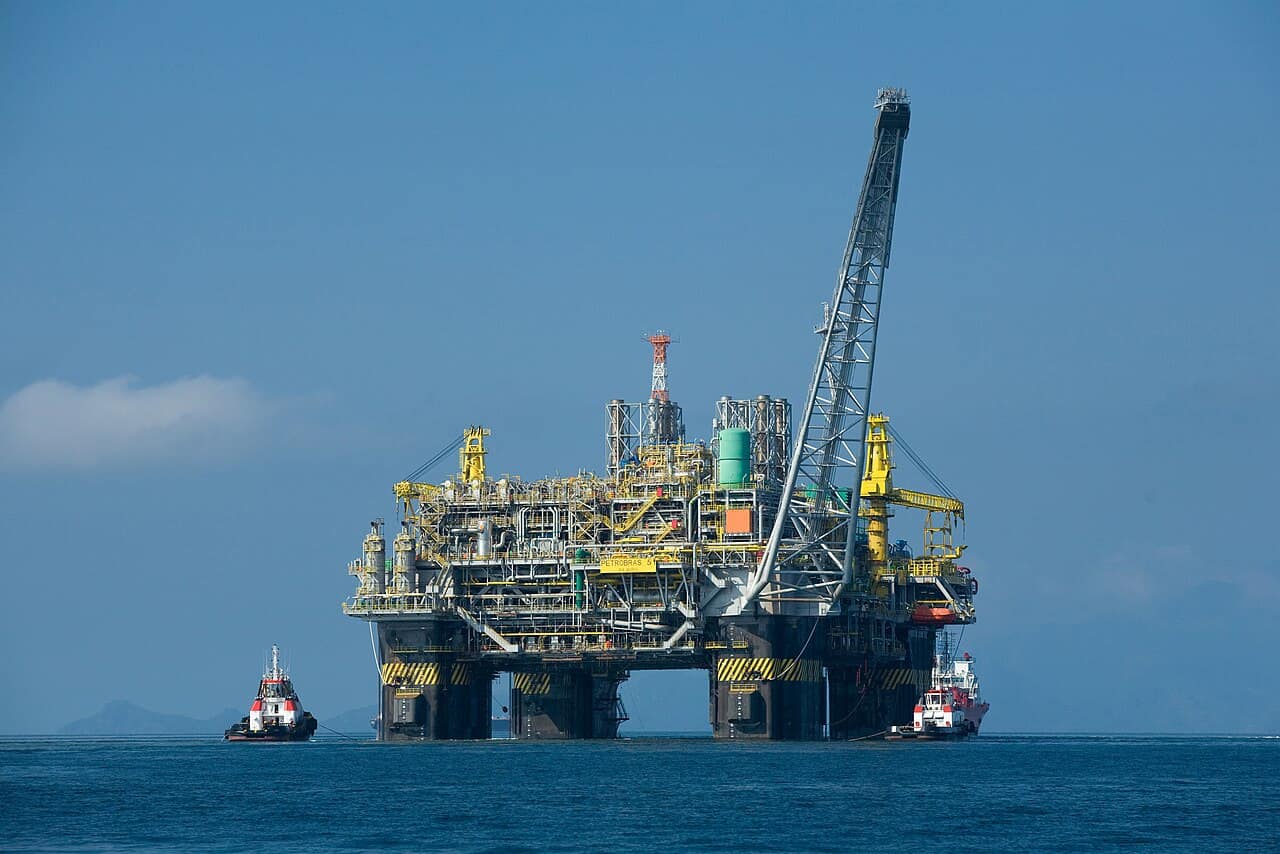
There are more than 1,800 decommissioned oil platforms in the Gulf of Mexico. Most of them are rusting. Some are slowly being dismantled. A few are being turned into artificial reefs. And now the United States Air Force wants to turn some of them into rocket landing pads. Project Able Baker, announced by the Air Force Research Laboratory (AFRL) in May 2026, proposes converting defunct offshore oil rigs into Sea-Based Recovery Stations for reusable rocket boosters. The idea solves two problems at once: it gives the military a cheaper way to recover rockets, and it gives the environmental community a better option than dumping thousands of tonnes of steel into the ocean. The concept is laid out in a solicitation issued through the Air Force’s Small Business Innovation Research (SBIR) programme. A first phase will assess technical and economic feasibility and identify at least three suitable offshore platforms; a second phase calls for fabricating and testing a modular reinforcement kit on a representative deck section.
Datos rápidos
- Programa: Proyecto Able Baker — Laboratorio de Investigación de la Fuerza Aérea (AFRL)
- Concepto: Convertir plataformas petrolíferas marinas desmanteladas en estaciones de recuperación de propulsores de cohetes.
- Estado: Convocatoria SBIR: estudios de viabilidad de la Fase 1, pruebas de kits de refuerzo de la Fase 2.
- Meta: Identificar al menos tres plataformas marinas adecuadas para la conversión.
- Ubicación: Aguas federales, Golfo de México
- Características: Desviación de llamas, supresión de incendios, guiado de aterrizaje autónomo, refuerzo estructural
- Perspectiva ambiental: Evita la interrupción del ecosistema derivada del desmantelamiento de la plataforma.
El problema del desmantelamiento
The Gulf of Mexico is littered with the skeletons of America's oil boom. Platforms that once pumped millions of barrels now sit idle, too expensive to remove and too dangerous to ignore. Federal regulations require operators to decommission platforms within a set period after production ceases, but the process is staggeringly expensive — a single deep-water removal can cost $150 million or more. And there is a catch: marine biologists have shown that the submerged structures have become thriving artificial reef ecosystems over decades. Ripping them out causes, in AFRL's own words, "significant disruption to established marine ecosystems." The fish, corals, and invertebrates that colonised the legs and pilings do not care that the platform above was built for oil. Project Able Baker offers a third option: keep the platform, remove the drilling equipment, and install rocket recovery infrastructure instead.
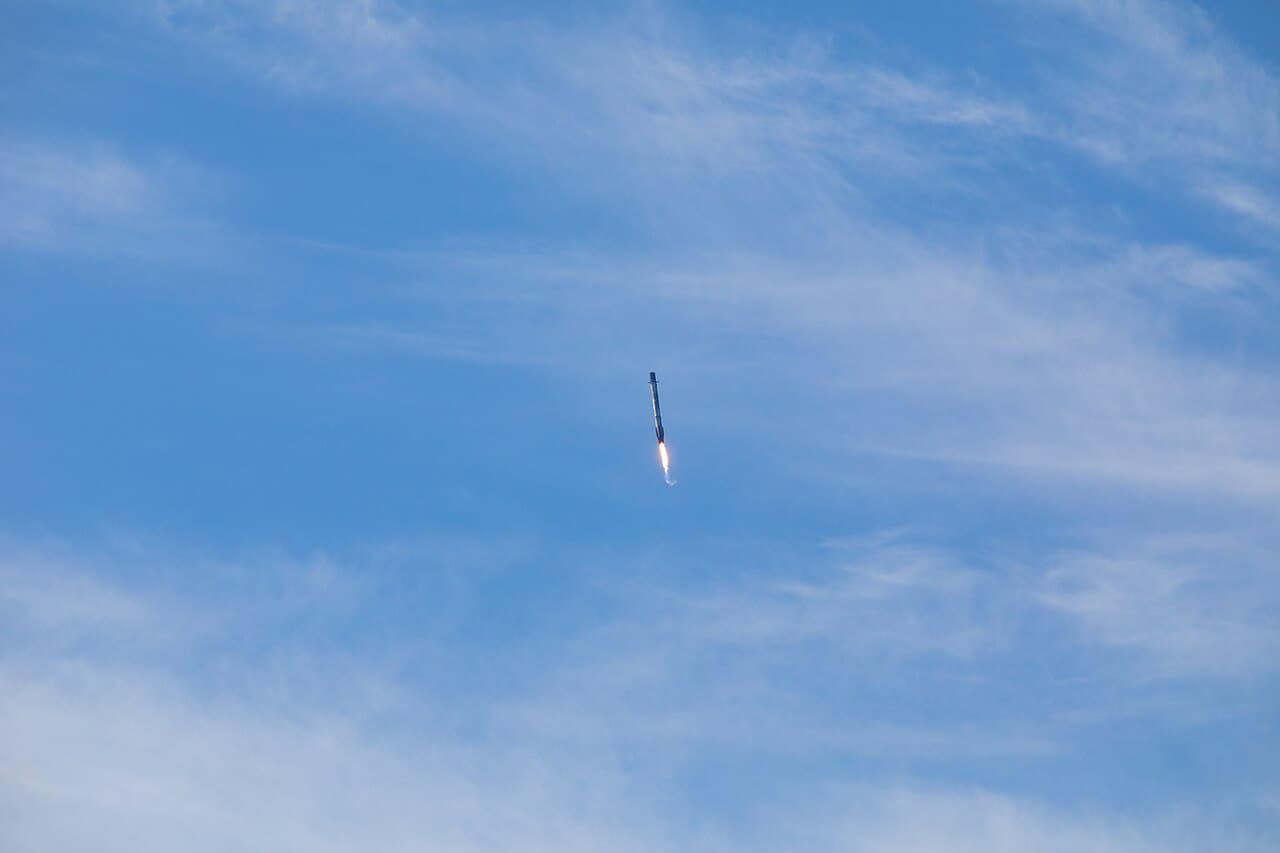
¿Cómo luce un equipo de recuperación de cohetes?
The AFRL specification calls for platforms equipped with passive and active flame deflection systems capable of handling a rocket booster's exhaust plume, remote fire suppression, precision navigation aids for autonomous landing guidance, and structural reinforcement to handle the dynamic loads of a returning booster. The concept is not entirely alien. SpaceX already lands Falcon 9 boosters on autonomous drone ships — converted barges that position themselves downrange and catch the returning first stage. But a fixed platform has advantages: it does not need to sail to a new position for every launch, it can be permanently equipped with heavy infrastructure, and it can serve as a refurbishment and inspection facility between flights.
La conexión con la Fuerza Espacial
The real driver behind Project Able Baker is not environmental concern — it is the Space Force's insatiable appetite for launch capacity. A recent study found that the service needs a third launch site to handle surging government and commercial demand. Cape Canaveral and Vandenberg are approaching saturation. Offshore recovery platforms in the Gulf would add flexibility to the entire national launch infrastructure. Imagine a network of converted oil rigs spread across the Gulf, each capable of catching and servicing a returning booster. Rockets launched from Cape Canaveral or a future Gulf Coast pad could target any of several recovery stations depending on mission profile, weather, and maintenance schedules. The rigid geometry of a single landing site gives way to a flexible, distributed recovery network.
Del combustible fósil al combustible para cohetes
There is a pleasing symmetry to the idea. The platforms were built to extract energy from beneath the ocean floor. Now they would serve to recover the vehicles that put energy into orbit. The rusting relics of the hydrocarbon age become the infrastructure of the space age. Whether the engineering works out — whether a platform designed to hold a drilling derrick can absorb the thermal and mechanical shock of a returning rocket — remains to be demonstrated. That is what the solicitation’s test phases are for. But the Air Force’s solicitation suggests the service believes the answer is yes, or at least that the question is worth asking. Somewhere in the Gulf of Mexico, an abandoned oil rig stands in the warm water, rusting quietly, waiting. Its next career may be catching rockets. Fuentes: Defense News, Air Force Times, Splash247, Aviation Week
Preguntas relacionadas
¿Qué es el Proyecto Able Baker?
El Proyecto Able Baker es una iniciativa del Laboratorio de Investigación de la Fuerza Aérea de los Estados Unidos (AFRL), anunciada en mayo de 2026, para convertir plataformas petrolíferas marinas desmanteladas en el Golfo de México en estaciones de recuperación marítimas para propulsores de cohetes reutilizables. Impulsado a través del programa SBIR de la Fuerza Aérea, busca identificar al menos tres plataformas adecuadas para su conversión.
¿Pueden los propulsores de cohetes aterrizar en plataformas marinas?
Sí. Los propulsores reutilizables pueden diseñarse para aterrizar verticalmente en plataformas marinas, y el Proyecto Able Baker de la Fuerza Aérea de EE. UU. propone equipar plataformas petrolíferas reconvertidas con sistemas de desviación de llamas, extinción de incendios, guiado de aterrizaje autónomo y refuerzo estructural para recibirlos. Las plataformas marinas mantienen las recuperaciones ruidosas y peligrosas lejos de las costas pobladas.
¿Por qué reutilizar las plataformas petrolíferas en lugar de desmantelarlas?
Desmantelar una plataforma petrolífera de aguas profundas fuera de servicio es extremadamente costoso: una sola operación puede costar más de 100 millones de dólares, y el desguace de miles de toneladas de acero altera los ecosistemas marinos. Reutilizar las aproximadamente 1800 plataformas inactivas en el Golfo de México como plataformas de aterrizaje para cohetes convierte un costoso problema de eliminación de residuos en una infraestructura útil.
¿Qué son los cohetes reutilizables y por qué son importantes?
Los cohetes reutilizables recuperan y reutilizan sus propulsores en lugar de desecharlos, lo que reduce drásticamente los costos de lanzamiento. Este enfoque revirtió décadas de hardware desechable, cuando las naves eran esencialmente atado a un cohete y desechado después de un solo uso.. El acceso al espacio, más económico y repetible, ha transformado las ambiciones espaciales tanto comerciales como militares.
¿Cómo contribuye la industria privada a reducir el coste de los viajes espaciales?
La industria privada reduce los costos de espacio mediante hardware reutilizable, competencia e ingeniería eficiente. El ejemplo más destacado es SpaceShipOne, la nave de construcción privada que llegó al espacio por una pequeña fracción del costo de la NASA., demostrando que pequeños equipos podían lograr lo que antes requería presupuestos gubernamentales.


0 Comentarios