
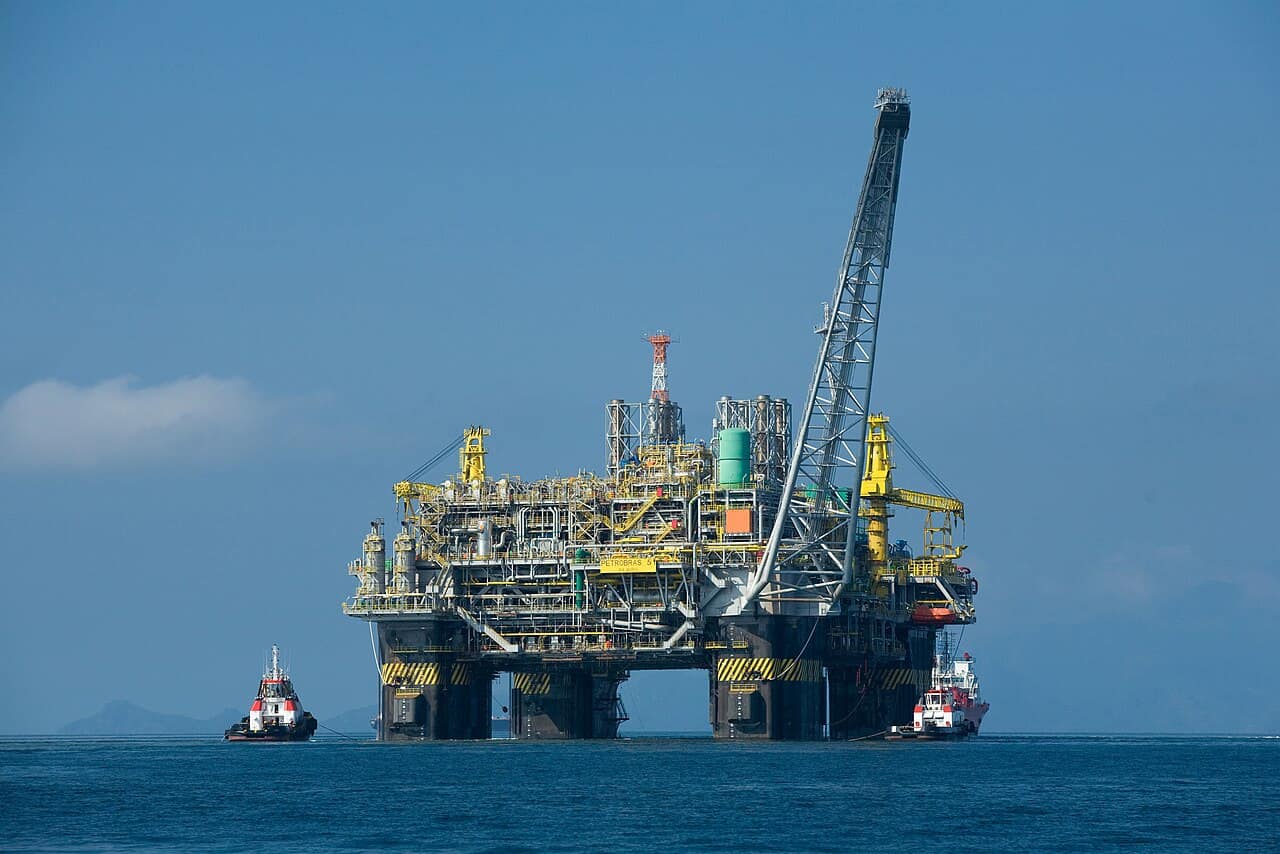
There are more than 1,800 decommissioned oil platforms in the Gulf of Mexico. Most of them are rusting. Some are slowly being dismantled. A few are being turned into artificial reefs. And now the United States Air Force wants to turn some of them into rocket landing pads. Project Able Baker, announced by the Air Force Research Laboratory (AFRL) in May 2026, proposes converting defunct offshore oil rigs into Sea-Based Recovery Stations for reusable rocket boosters. The idea solves two problems at once: it gives the military a cheaper way to recover rockets, and it gives the environmental community a better option than dumping thousands of tonnes of steel into the ocean. The concept is laid out in a solicitation issued through the Air Force’s Small Business Innovation Research (SBIR) programme. A first phase will assess technical and economic feasibility and identify at least three suitable offshore platforms; a second phase calls for fabricating and testing a modular reinforcement kit on a representative deck section.
Quick Facts
- Programme: Project Able Baker — Air Force Research Laboratory (AFRL)
- Concept: Convert decommissioned offshore oil platforms into rocket booster recovery stations
- Status: SBIR solicitation — Phase 1 feasibility studies, Phase 2 reinforcement-kit testing
- Goal: Identify at least three suitable offshore platforms for conversion
- Location: Federal waters, Gulf of Mexico
- Features: Flame deflection, fire suppression, autonomous landing guidance, structural reinforcement
- Environmental angle: Avoids ecosystem disruption from platform decommissioning
The Decommissioning Problem
The Gulf of Mexico is littered with the skeletons of America's oil boom. Platforms that once pumped millions of barrels now sit idle, too expensive to remove and too dangerous to ignore. Federal regulations require operators to decommission platforms within a set period after production ceases, but the process is staggeringly expensive — a single deep-water removal can cost $150 million or more. And there is a catch: marine biologists have shown that the submerged structures have become thriving artificial reef ecosystems over decades. Ripping them out causes, in AFRL's own words, "significant disruption to established marine ecosystems." The fish, corals, and invertebrates that colonised the legs and pilings do not care that the platform above was built for oil. Project Able Baker offers a third option: keep the platform, remove the drilling equipment, and install rocket recovery infrastructure instead.
What a Rocket Recovery Rig Looks Like
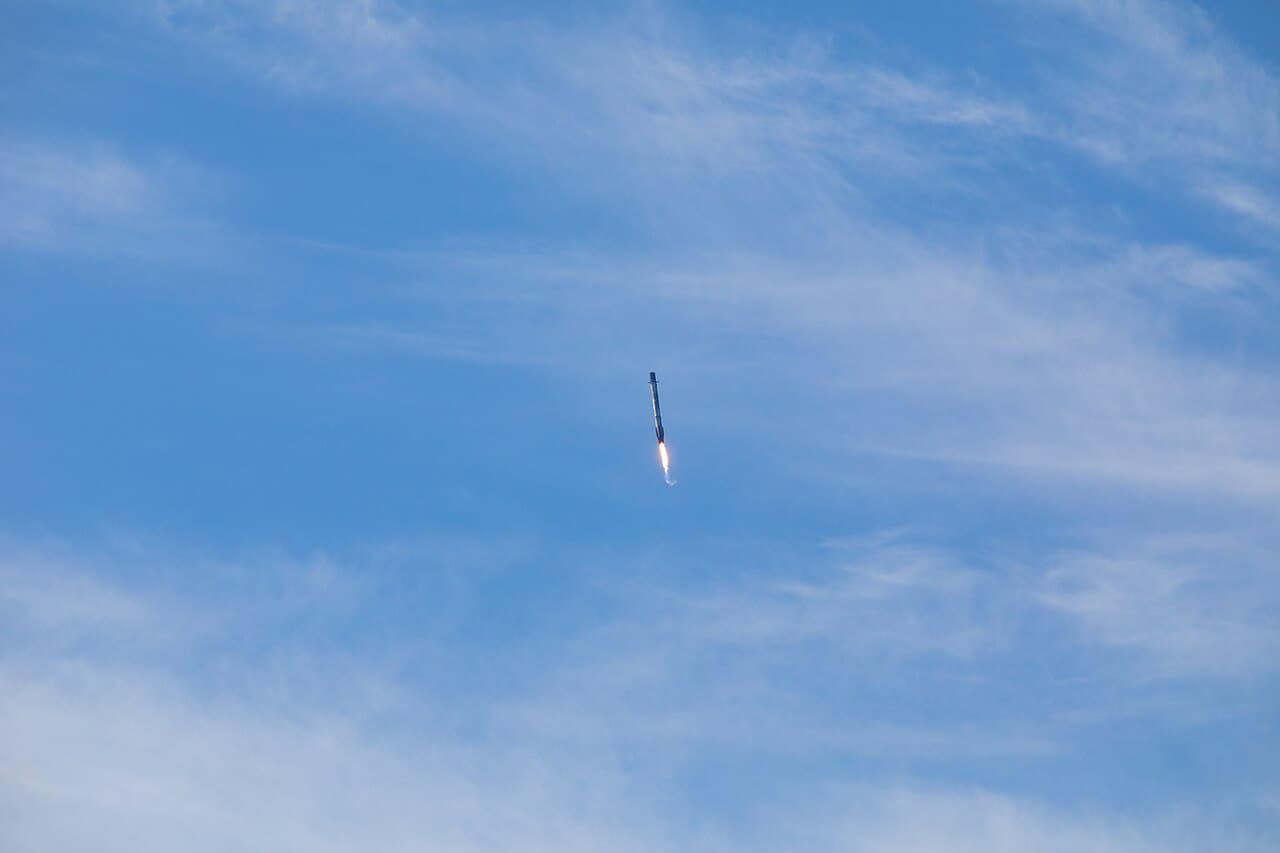
The AFRL specification calls for platforms equipped with passive and active flame deflection systems capable of handling a rocket booster's exhaust plume, remote fire suppression, precision navigation aids for autonomous landing guidance, and structural reinforcement to handle the dynamic loads of a returning booster. The concept is not entirely alien. SpaceX already lands Falcon 9 boosters on autonomous drone ships — converted barges that position themselves downrange and catch the returning first stage. But a fixed platform has advantages: it does not need to sail to a new position for every launch, it can be permanently equipped with heavy infrastructure, and it can serve as a refurbishment and inspection facility between flights.
The Space Force Connection
The real driver behind Project Able Baker is not environmental concern — it is the Space Force's insatiable appetite for launch capacity. A recent study found that the service needs a third launch site to handle surging government and commercial demand. Cape Canaveral and Vandenberg are approaching saturation. Offshore recovery platforms in the Gulf would add flexibility to the entire national launch infrastructure. Imagine a network of converted oil rigs spread across the Gulf, each capable of catching and servicing a returning booster. Rockets launched from Cape Canaveral or a future Gulf Coast pad could target any of several recovery stations depending on mission profile, weather, and maintenance schedules. The rigid geometry of a single landing site gives way to a flexible, distributed recovery network.
From Fossil Fuel to Rocket Fuel
There is a pleasing symmetry to the idea. The platforms were built to extract energy from beneath the ocean floor. Now they would serve to recover the vehicles that put energy into orbit. The rusting relics of the hydrocarbon age become the infrastructure of the space age. Whether the engineering works out — whether a platform designed to hold a drilling derrick can absorb the thermal and mechanical shock of a returning rocket — remains to be demonstrated. That is what the solicitation’s test phases are for. But the Air Force’s solicitation suggests the service believes the answer is yes, or at least that the question is worth asking. Somewhere in the Gulf of Mexico, an abandoned oil rig stands in the warm water, rusting quietly, waiting. Its next career may be catching rockets. Sources: Defense News, Air Force Times, Splash247, Aviation Week
Related Questions
What is Project Able Baker?
Project Able Baker is a US Air Force Research Laboratory (AFRL) initiative, announced in May 2026, to convert decommissioned offshore oil platforms in the Gulf of Mexico into sea-based recovery stations for reusable rocket boosters. Pursued through the Air Force's SBIR programme, it aims to identify at least three suitable platforms for conversion.
Can rocket boosters land on offshore platforms?
Yes. Reusable rocket boosters can be designed to land vertically on offshore platforms, and the US Air Force's Project Able Baker proposes fitting converted oil rigs with flame deflection, fire suppression, autonomous landing guidance, and structural reinforcement to receive them. Sea-based pads keep noisy, hazardous recoveries far from populated coastlines.
Why reuse oil rigs instead of removing them?
Removing a decommissioned deep-water oil platform is staggeringly expensive, with a single removal costing well over $100 million, and scrapping thousands of tonnes of steel disrupts marine ecosystems. Repurposing the roughly 1,800 idle platforms in the Gulf of Mexico as rocket landing pads turns a costly disposal problem into useful infrastructure.
What are reusable rockets and why do they matter?
Reusable rockets recover and refly their boosters instead of discarding them, sharply cutting launch costs. The approach reversed decades of throwaway hardware, when craft were essentially strapped to a rocket and thrown away after a single use. Cheaper, repeatable access to space has reshaped commercial and military space ambitions alike.
How does private industry drive down the cost of reaching space?
Private industry cuts space costs through reusable hardware, competition, and lean engineering. The landmark example is SpaceShipOne, the privately built craft that reached space for a tiny fraction of NASA's cost, proving small teams could achieve what once demanded government-scale budgets.



0 Comments