
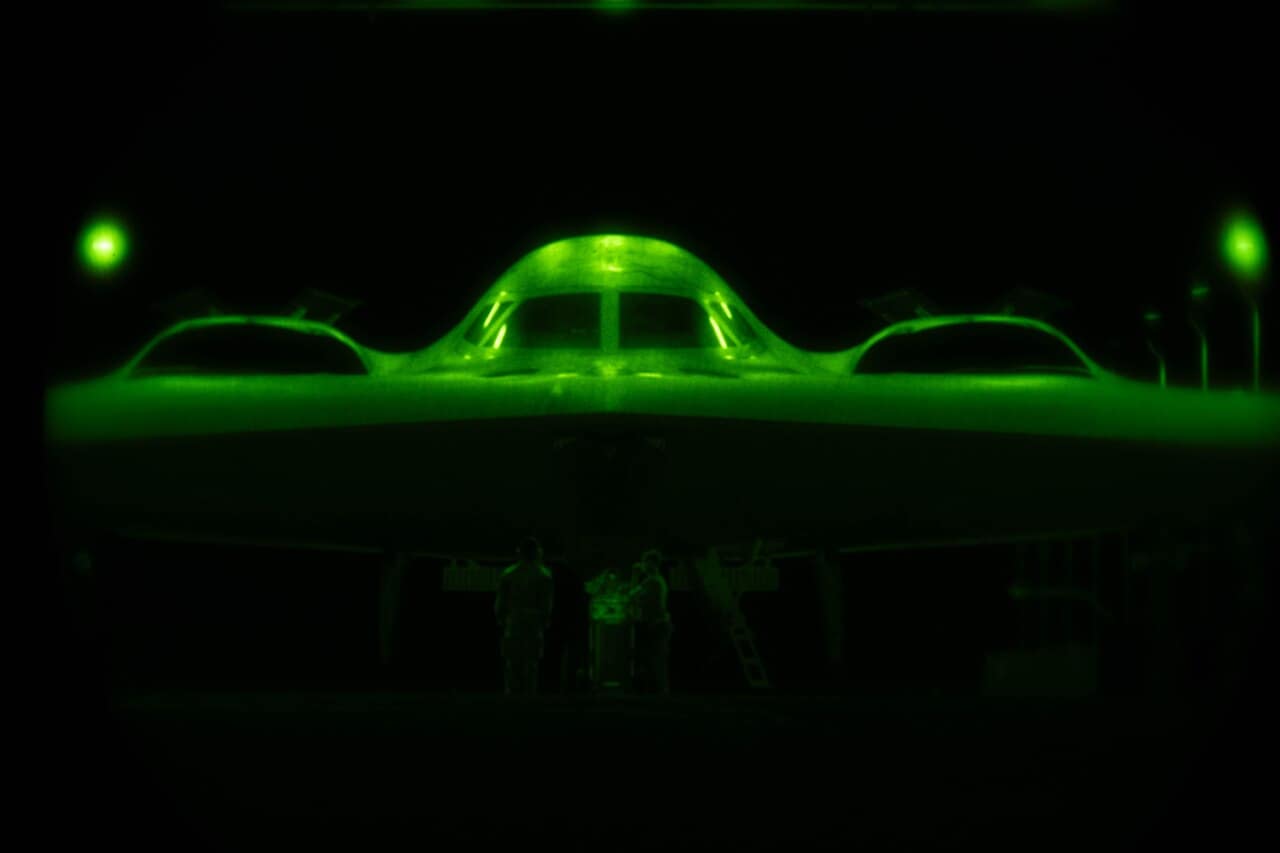
The first warning should have been enough. On 2 December 2025, security forces found a minivan with Massachusetts plates loitering near the perimeter of Whiteman Air Force Base, home of America’s stealth bombers. The driver said he had simply come to look at the B-2. He was told to stop photographing the base and sent on his way.
The next day, he came back and kept shooting.
That decision has now cost Qilin Wu, a Chinese national, six months in federal custody — and a one-way trip out of the country. The case, closed on 13 August 2026, was built on a legal weapon older than the bomber it protected: a 1950 executive order signed by Harry Truman.
Datos rápidos
- OMS: Qilin Wu, a Chinese national
- Sentence: six months in federal custody, then deportation to China
- Dónde: outside Whiteman Air Force Base, Missouri — home of the B-2 Spirit
- The law: 18 U.S.C. § 795 and Executive Order 10104 (signed by President Truman in 1950)
- Cronología: first warned 2 Dec 2025; returned and photographed again the next day; sentenced 13 Aug 2026
- Investigated by: Air Force Office of Special Investigations (AFOSI)
A warning, then a return
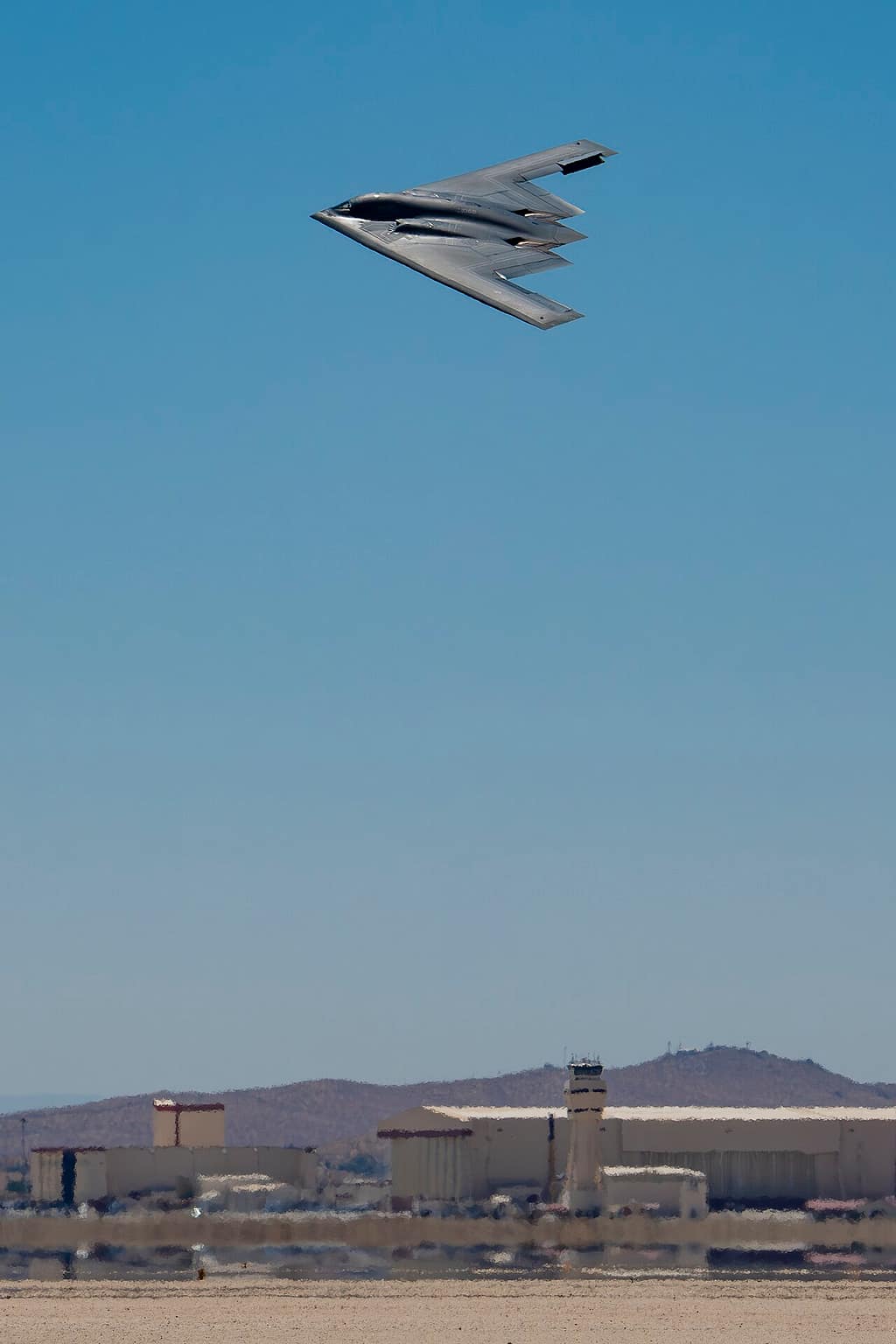
What turned a trespass into a federal case was the pattern. Members of the 509th Security Forces Squadron responded to the suspicious minivan; Wu told them he wanted to see the Espíritu B-2. Warned off, he returned the following day and photographed more than the aircraft — the base perimeter and its infrastructure too. He later admitted to photographing aircraft and installations at other U.S. bases, including sites in Florida and Virginia.
A 1950 law, back in service
Prosecutors reached for Section 795 of Title 18 and Executive Order 10104, a Cold War statute that bans unauthorized photographs of designated military installations, aircraft and equipment. Written in an age of film cameras and Soviet agents, it fit an age of smartphones and ambiguity surprisingly well.
Why the Air Force cared
Investigators were blunt about what made this different. It was not one photo — it was the return, the focus on the perimeter, the admissions about other bases. The Air Force Office of Special Investigations framed the case as a template for an era in which the threat wears civilian clothes and carries a phone.
After the hearing, the court remanded Wu to the U.S. Marshals Service. He was processed on an immigration detainer and is to be deported to China. The bomber he was so keen to photograph — one of just twenty ever built — stays exactly where it was, and just as hard to see up close.
Sources: Air Force Global Strike Command / AFOSI Public Affairs (13 Aug 2026); The Aviationist; Yahoo News; National Interest. Quotes via AFOSI Public Affairs.
Publicaciones relacionadas
0 Comentarios