
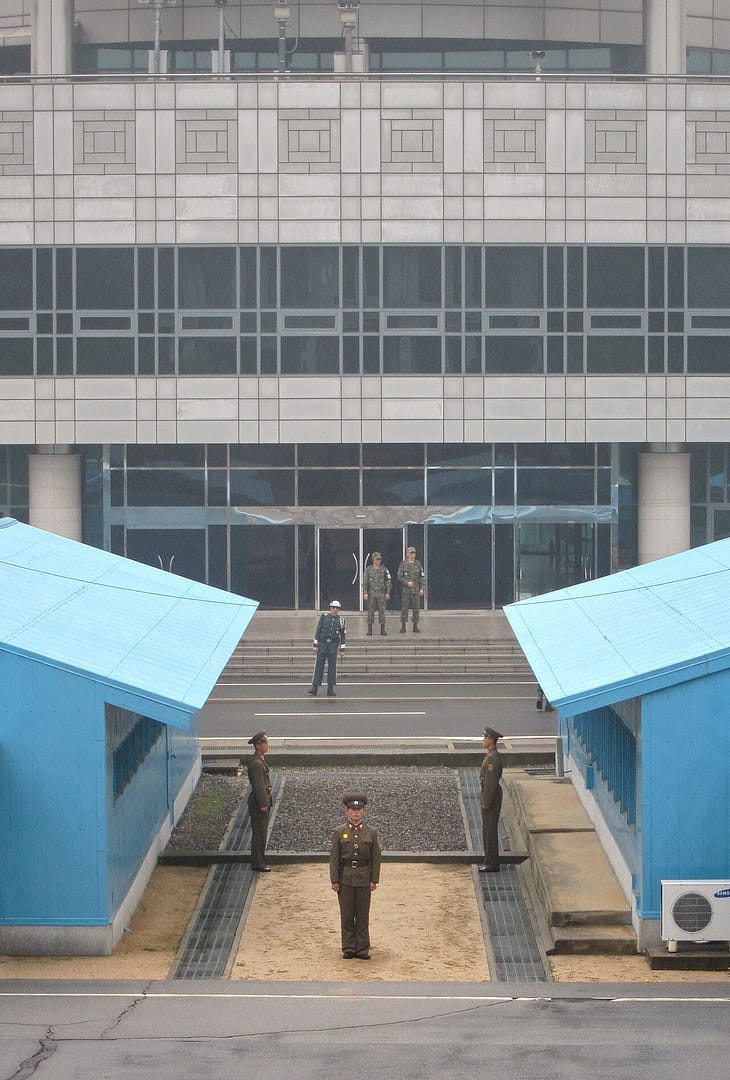
Aproximadamente a las 14:30 del 30 de julio de 2026, sensores ubicados en la frontera entre Corea del Sur y Corea del Norte detectaron algo que no pudieron identificar: una aeronave no tripulada cerca de un puesto fronterizo, que no emitía ninguna señal de alerta. En la franja de tierra más militarizada del planeta, un dron no identificado es considerado culpable hasta que se demuestre su inocencia.
El ejército de Corea del Sur elevó su alerta antidrones "Durumi", envió mensajes de refugio a los residentes al norte de la Línea de Control Civil cerca de Cheorwon, a unos 70 kilómetros al norte de Seúl, y, según varios testimonios, adoptó una postura en la que estaba preparado para derribar el aparato.
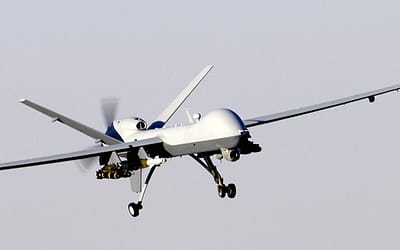
Aproximadamente una hora después se produjo la incómoda revelación: el dron era estadounidense. Pertenecía al Cuerpo de Marines de EE. UU. y participaba en un ejercicio conjunto con los Marines de Corea del Sur. Nadie disparó, nadie evacuó realmente —los mensajes de texto eran por precaución—, pero Seúl ha abierto una investigación sobre cómo una aeronave aliada estuvo a punto de convertirse en una estadística de fuego amigo.
Datos rápidos
| Qué | Dron no identificado cerca de la frontera intercoreana |
| Cuando | 30 de julio de 2026, aproximadamente a las 14:30. |
| Dónde | Cerca de Cheorwon, a unos 70 km al norte de Seúl. |
| Alerta | "Postura de preparación contra drones "Durumi" |
| En realidad era | Un dron del Cuerpo de Marines de los Estados Unidos (3er Batallón, 7º Regimiento de Marines) |
| Contexto | Entrenamiento bilateral de infantería de marina entre EE. UU. y la República de Corea |
| Resultado | No se efectuaron disparos, no hubo heridos. |
| Polvillo radiactivo | Revisión del incidente por parte del ejército surcoreano |
Una hora de incertidumbre
Las fuerzas coreanas rastrearon la aeronave con radar y un dispositivo de observación térmica, pero no pudieron identificarla de inmediato. Este es el peor escenario posible cerca de la Zona Desmilitarizada: Corea del Norte ya ha utilizado drones para cruzar la frontera, por lo que la suposición inicial es hostil. La alerta Durumi existe precisamente para esto: un protocolo estandarizado de respuesta ante aeronaves no tripuladas, con mensajes de advertencia automatizados para la población civil.
Se les indicó a los residentes que buscaran refugio o abandonaran la zona restringida del puesto de control. Las tropas reforzaron su posición. Durante una hora, un dron de entrenamiento rutinario representó, según los sensores, una amenaza potencial proveniente del Norte.
¿De quién era el dron?
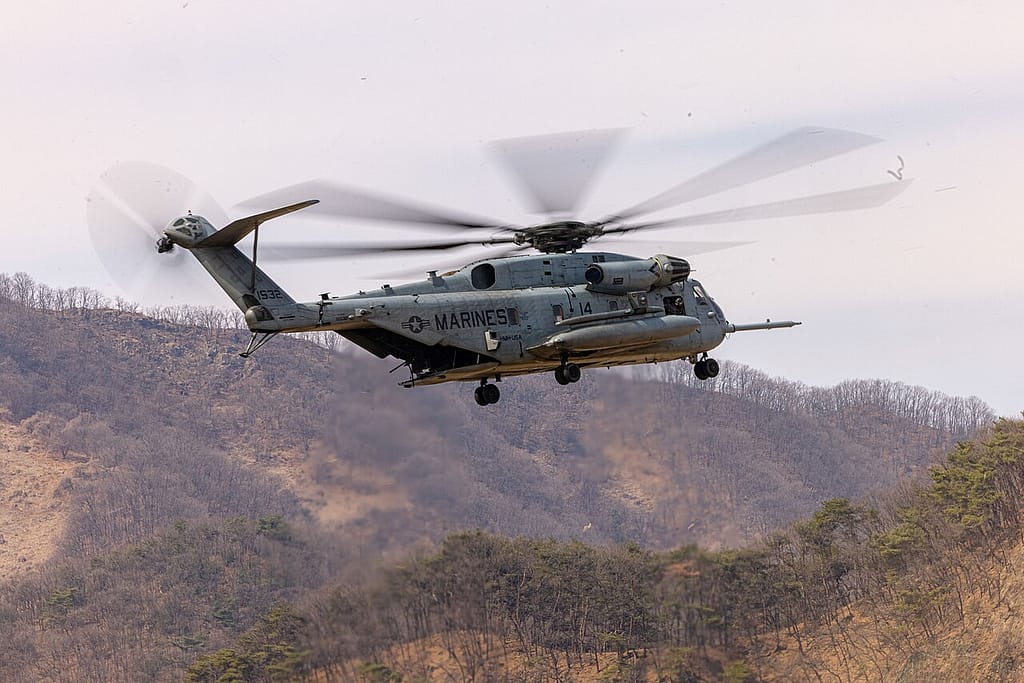
Las Fuerzas Armadas de Estados Unidos en Corea confirmaron que la aeronave pertenecía a sus fuerzas armadas y que era operada por infantes de marina durante un entrenamiento bilateral con la 1.ª División de Infantería de Marina de la República de Corea. Según los informes, el dron fue pilotado por infantes de marina del 3.er Batallón, 7.º Regimiento de Infantería de Marina.
La brecha de coordinación
Aquí es donde la situación se complica. Según informes, las Fuerzas Armadas de Estados Unidos en Corea (USFK) avisaron con antelación que operarían drones cerca de la frontera y coordinaron el entrenamiento, pero el ejército surcoreano afirma que nunca otorgó la aprobación formal. Los investigadores creen que el vuelo previsto del dron no se comunicó a las unidades locales que vigilaban ese tramo de la frontera, o bien la aeronave se desvió de su ruta prevista.
En cualquier caso, los inspectores surcoreanos visitaron el cuerpo de ejército responsable para determinar cómo un dron aliado se acercó lo suficiente como para que se tomara la decisión de derribarlo. Esto nos recuerda que la interoperabilidad de la alianza no se trata solo de compartir radios y realizar ejercicios conjuntos, sino de asegurarse de que el sargento que vigila el radar a las 14:30 sepa qué debería haber en su espacio aéreo.
La buena noticia: el sistema funcionó, en el sentido de que nadie disparó al objetivo equivocado. La mala noticia: estuvo a punto de ocurrir, en una frontera donde los errores se miden en segundos. Es de esperar que el informe posterior a la operación se lea con mucha atención a ambos lados del Pacífico.
Fuentes: The Korea Herald; The Korea Times; UPI; Kyunghyang Shinmun; Agencia Anadolu.
Publicaciones relacionadas
0 Comentarios