
Wars are not won only by the jets on the ramp. They are won by the factories behind them, and by whether those factories can build missiles faster than a shooting war can burn through them. This week the Pentagon admitted, in writing, that America is not building them fast enough.
In a memo obtained by the Washington Post and confirmed by the Pentagon, Deputy Defense Secretary Steve Feinberg gave the U.S. defense industry a blunt ultimatum: 21 days to come back with plans to dramatically speed up deliveries and expand production of the weapons the military is running short of after this year’s war with Iran.
The memo was previously unreported. It is also, by the standards of Pentagon paperwork, remarkably impatient.
Informations clés
- Quoi: A Pentagon memo orders defense industry to accelerate weapons production
- OMS: Deputy Defense Secretary Steve Feinberg, to industry leaders
- The deadline: 21 days to submit faster-delivery / higher-production plans
- Pourquoi: Munitions and interceptor stocks drained by the 2026 war with Iran
- Broke: Washington Post, 8 August 2026; confirmed by the Pentagon 9 August
- Patriot stock: reportedly down from 2,330 pre-war to an estimated 759-827
Twenty-one days, no excuses
Feinberg wrote to industry leaders on Wednesday, telling them they had no more than three weeks to propose “significantly faster, more aggressive delivery schedules and/or increased production for critical capabilities.” The tone of the document is what stands out.
Pentagon spokesman Sean Parnell confirmed the memo was genuine, but framed it as part of a longer-running effort rather than a panic. He said working directly with industry to accelerate production is nothing new, and tied the push to the next defense budget.
The numbers behind the urgency
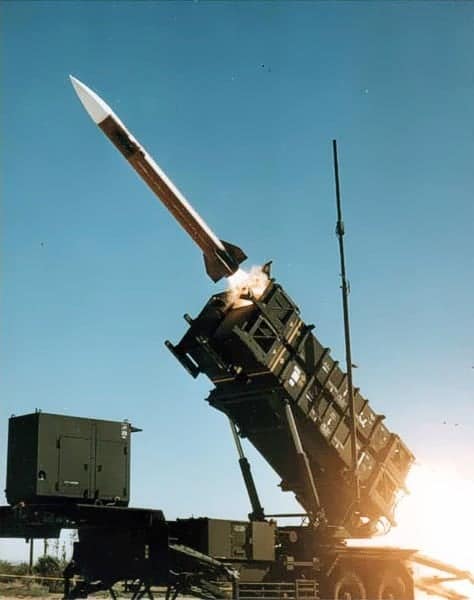
The reason for the hurry is arithmetic. The war with Iran chewed through interceptors at a rate peacetime planners never budgeted for. According to figures cited by the Washington Post, the U.S. stockpile of Patriot interceptors fell from roughly 2,330 before the war to around 1,030 by the April ceasefire, and, after renewed fighting, is now estimated at between 759 and 827 — a drop of at least 65 percent.
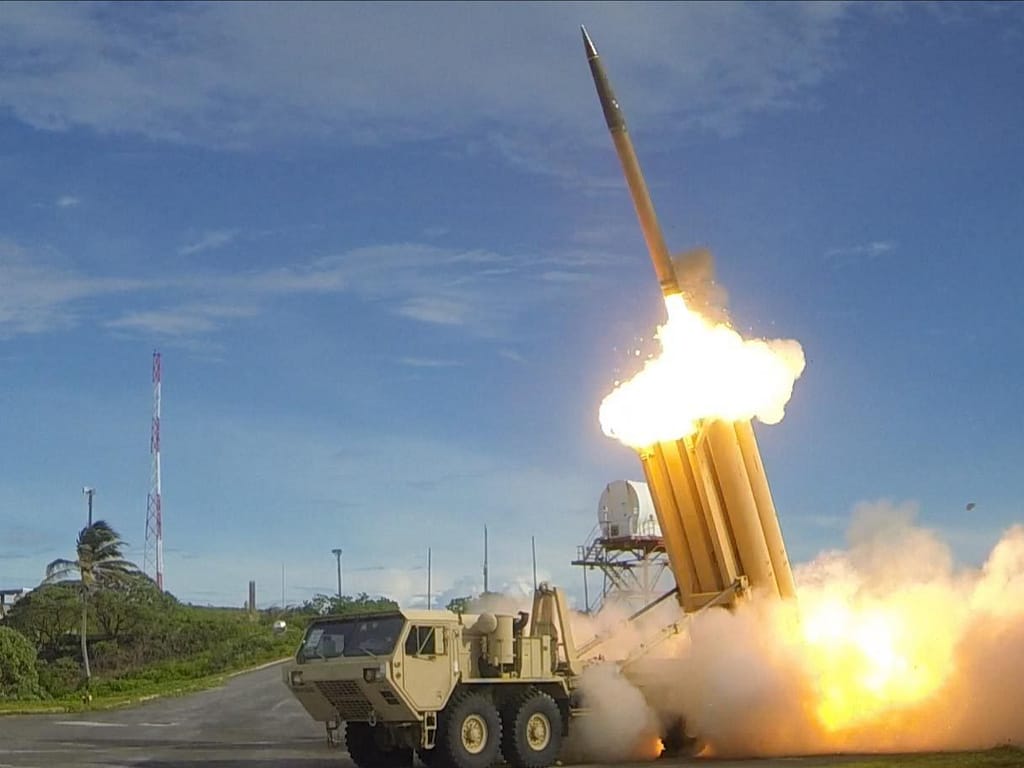
Analysts quoted in the reporting warn the strain is not limited to defensive missiles. The Army is said to have burned through most of its long-range strike inventory, principally ATACMS and the newer Precision Strike Missile, while separate estimates put THAAD interceptors well below pre-war levels too. Thin magazines force hard choices: hold fire to conserve, or shoot and hope the factories catch up.
A wartime footing
The memo is the paperwork behind a broader scramble. The Pentagon says it has reached framework agreements with BAE Systems, Lockheed Martin and Honeywell to expand munitions output, and the White House has pulled defense executives into meetings to push production higher. Officials have even floated invoking the Defense Production Act.
President Trump has publicly downplayed talk of shortages. The memo, in his own department’s words, tells a more urgent story — and it comes with a three-week clock already running.
Sources: The Washington Post; CNN; CNBC; Fortune; Al Jazeera; Stars and Stripes; watson.ch. Stockpile figures are reported estimates and remain contested.



0 commentaire