
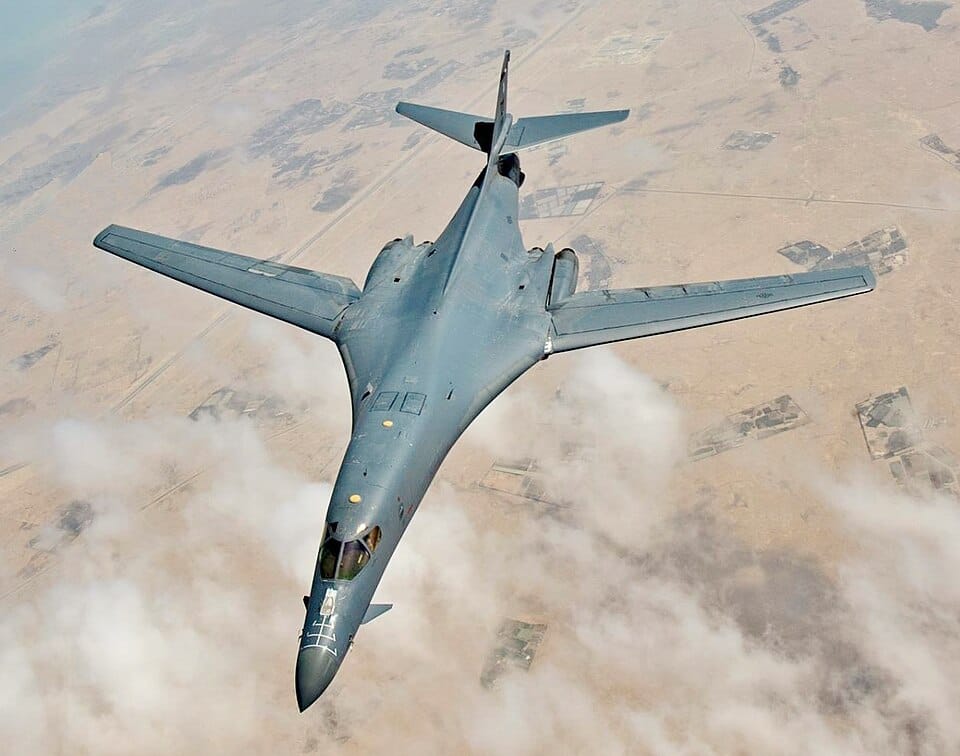
| Award | Distinguished Flying Cross (DFC) — one of the highest U.S. military honours for aerial achievement |
| Recipients | KC-135 Stratotanker crews — specific names and units not yet publicly released |
| Campagne | Operation Epic Fury — combat aerial refueling missions over and near Iranian airspace |
| Aéronef | Boeing KC-135R Stratotanker — the backbone of U.S. Air Force aerial refueling since 1957 |
| The DFC | Established in 1926, previously awarded to Lindbergh, Yeager, and combat pilots across every American conflict |

They do not drop bombs. They do not fire missiles. They do not make gun camera footage that goes viral on social media. But without them, every fighter, bomber, and surveillance aircraft in Operation Epic Fury would run out of fuel and come home — or never get there in the first place.
KC-135 Stratotanker crews have been awarded the Distinguished Flying Cross for their combat refueling missions during the Iran campaign. It is one of the rarest and most significant honours in American military aviation, a decoration whose previous recipients include Charles Lindbergh, Chuck Yeager, and every era's most exceptional aviators. For tanker crews to receive it is extraordinary — and long overdue recognition of what aerial refueling in a combat zone actually demands.
What Tanker Crews Actually Do in Combat
The public image of aerial refueling is a tanker flying straight and level in safe airspace while a fighter plugs in for a routine top-off. The reality in Epic Fury has been nothing like that.
KC-135s have been operating in refueling tracks that sit within range of Iranian surface-to-air missiles and air-launched weapons. They fly predictable patterns — they have to, because the receiver aircraft need to know exactly where the tanker will be. That predictability makes them vulnerable. A 60-year-old aircraft with no defensive systems, no stealth, and no ability to manoeuvre aggressively, holding steady at a published altitude and airspeed while hostile radars sweep the sky.
Tanker crews during Epic Fury have flown missions lasting 18 hours or more, often refueling dozens of aircraft per sortie. They have passed fuel to F-15E inbound to strike targets deep inside Iran, to B-1Bs carrying standoff missiles, to F-35 running combat air patrols, and to search-and-rescue helicopters during the F-15E crew extraction. Every one of those receivers depended on the tanker being exactly where it was supposed to be, exactly when it was supposed to be there.
The Distinguished Flying Cross
The DFC was established by Congress in 1926, originally to honour Lindbergh's transatlantic crossing. Since then it has been awarded to pilots and aircrew who demonstrate "heroism or extraordinary achievement while participating in an aerial flight." The bar is high — it is not given for routine competence, no matter how gruelling the mission. It requires something exceptional.
For the KC-135 crews who received it during Epic Fury, the specific missions that earned the decoration have not been publicly detailed. But the operational context makes the stakes clear: these crews were flying unarmed, in hostile airspace, performing a mission that the entire air campaign depended on, under conditions where a single Iranian long-range missile could have ended everything. They did it anyway. They did it every day.
The Invisible Force
The KC-135 Stratotanker first flew in 1956. Some of the airframes still in service are older than the parents of the crews flying them. The aircraft has been the backbone of American global power projection for nearly seven decades — not because it is fast or stealthy or armed, but because it is the force multiplier that makes everything else possible.
Without tankers, F-15Es cannot reach Iran from Gulf bases and return. B-2s cannot fly 36-hour missions from Missouri. B-1Bs cannot loiter over the battlefield for hours. The entire architecture of modern American air power rests on the ability to refuel in flight — and that ability rests on the shoulders of tanker crews who rarely make headlines.
The Distinguished Flying Cross changes that, if only for a moment. The fighters get the glory. The tankers make the glory possible.
Sources: Air & Space Forces Magazine, U.S. Air Force Public Affairs
Questions connexes
What is the Distinguished Flying Cross?
The Distinguished Flying Cross (DFC) is one of the highest US military honours for heroism or extraordinary achievement in aerial flight. Established in 1926, it has been awarded to aviators including Charles Lindbergh and Chuck Yeager, as well as combat pilots across every American conflict since.
What is a KC-135 Stratotanker?
The Boeing KC-135 Stratotanker is the backbone of US Air Force aerial refuelling, in service since 1957. It passes fuel to other aircraft in flight, extending their range and endurance. In its modern KC-135R form it keeps fighters, bombers and surveillance aircraft airborne — explained in detail in how aerial refuelling actually works.
Why do tanker crews receive combat awards?
Although tanker crews do not drop bombs or fire missiles, they fly into harm's way to keep strike aircraft fuelled, often within range of enemy air defences. During Operation Epic Fury, KC-135 crews conducted aerial refuelling over and near Iranian airspace, earning the Distinguished Flying Cross for sustaining the campaign around the clock.
Qu'était-ce que l'opération Epic Fury ?
Operation Epic Fury was a campaign involving combat aerial-refuelling missions over and near Iranian airspace. KC-135 Stratotanker crews kept strike aircraft airborne continuously, a punishing tempo that pushed crews to their limits — a reminder of how fatigue becomes a hidden safety crisis in wartime flying.
How important is aerial refuelling in modern air warfare?
Aerial refuelling is essential — it lets aircraft fly farther, loiter longer, and reach targets that would otherwise be out of range. Without tankers, modern campaigns built on long-range strike and persistent presence would be impossible, which is why their crews are increasingly recognised with high honours like the Distinguished Flying Cross.
0 commentaire