
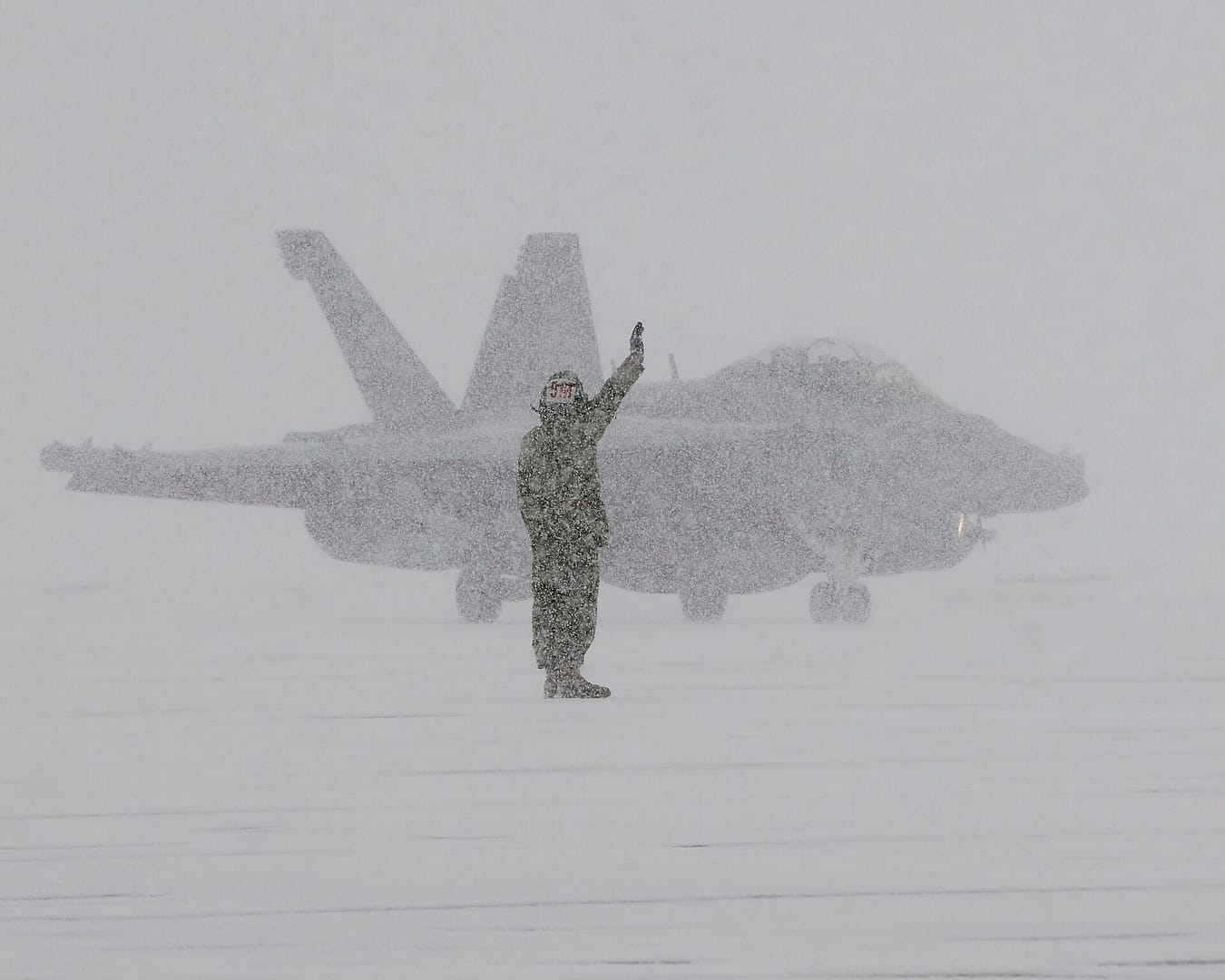
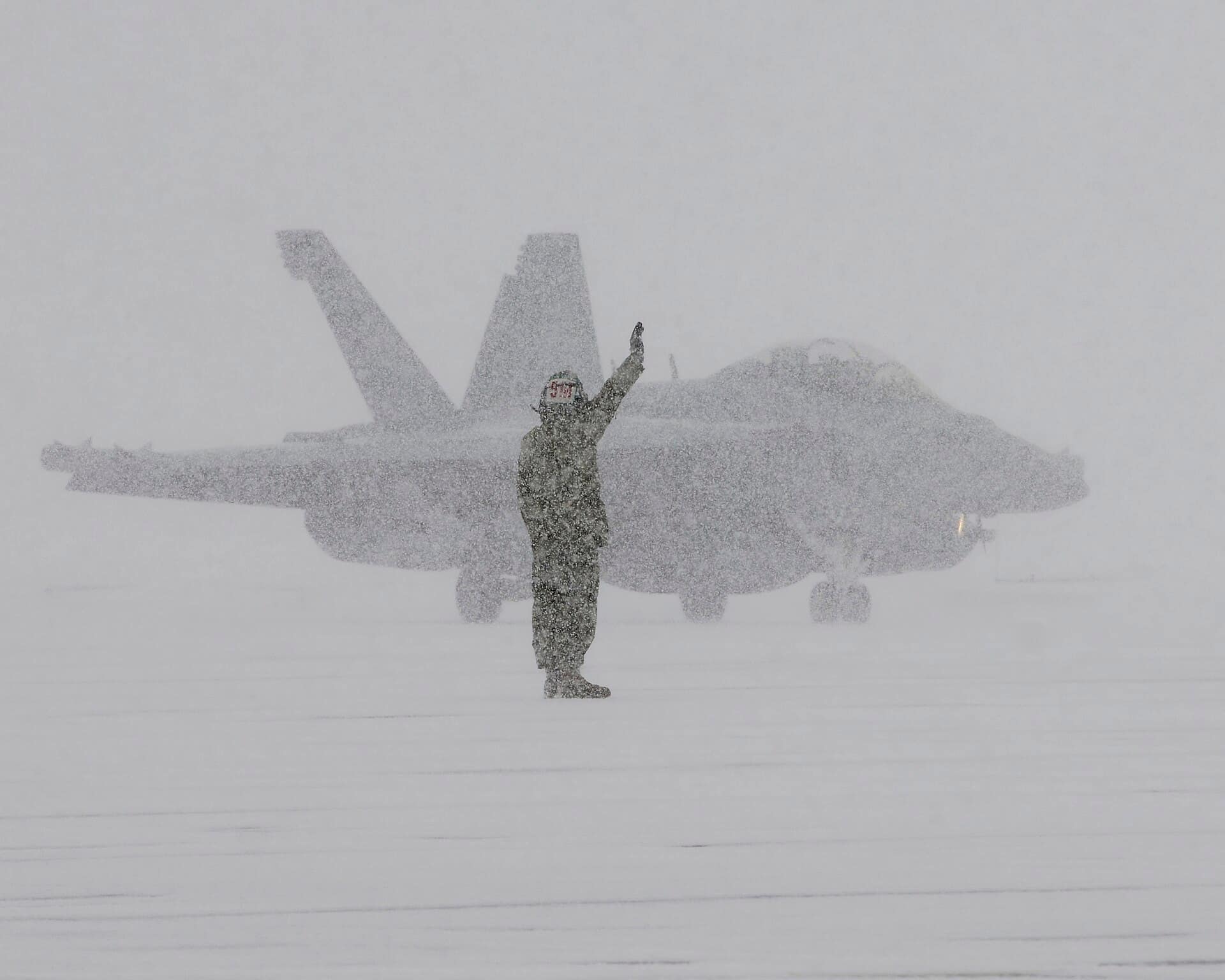
Une partie de Les Ailes de la Guerre — De Zeppelin à la Sixième Génération, notre série sur les grands tournants de l'aviation militaire.
Peu après une heure du matin, le 25 juillet 1943, un contrôleur de chasse de nuit allemand, les yeux rivés sur son écran radar, observait les bombardiers britanniques qui approchaient de Hambourg. Il avait déjà effectué cette manœuvre à maintes reprises. Le système était efficace : une chaîne de radars suivait chaque bombardier, et il dirigeait ses chasseurs de nuit et ses canons antiaériens vers chacun d’eux. Soudain, son écran devint saturé. Là où figuraient auparavant quelques échos distincts, il y en eut soudain des milliers – un véritable déluge de faux signaux, bien plus d“” avions » qu’il n’était possible d’en avoir, submergeant tous les écrans le long de la côte.
Les bombardiers larguaient des bombes FenêtreDes paquets de bandes de papier aluminium, découpées à la longueur exacte pour renvoyer un écho radar, étaient jetés par poignées dans le ciel nocturne. Chaque bande ressemblait, aux yeux du radar, à un bombardier. Tout le système de défense aérienne allemand — radars, chasseurs de nuit, DCA, projecteurs — fut aveuglé en quelques minutes, et le flot de bombardiers s'abattit sur une ville qui allait être ravagée par les flammes les nuits suivantes. C'était la première fois qu'une ruse électronique parvenait à neutraliser à elle seule la défense aérienne ennemie. La guerre électronique avait atteint sa pleine maturité.
FAITS RAPIDES
| Quoi | Guerre électronique — la lutte pour contrôler les radars, les ondes radio et le spectre électromagnétique |
| Étape importante du début | La “ bataille des faisceaux ” de 1940 au-dessus de la Grande-Bretagne |
| Percée | “ Fenêtre ” (paillettes) aveuglant le radar allemand au-dessus de Hambourg, 1943 |
| La mission de la guerre froide | “chasseurs de ” belettes sauvages » et avions de brouillage dédiés |
| La loi éternelle | Chaque capteur invite un compteur ; chaque compteur invite un compteur-compteur. |
| Aujourd'hui | Brouillage GPS, brouilleurs à distance et le spectre radioélectrique comme domaine de guerre |
La guerre des faisceaux
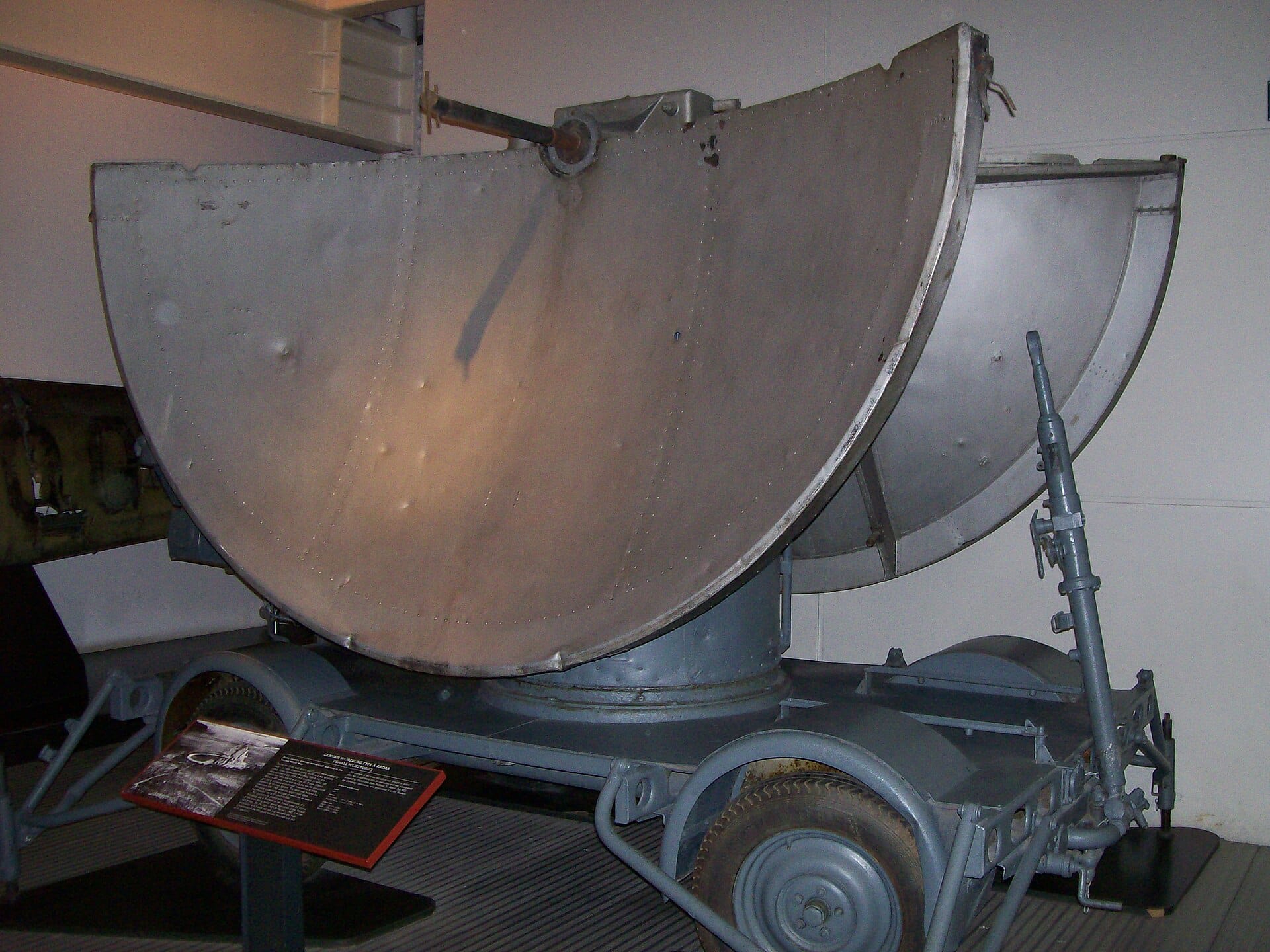
La guerre électronique est née presque en même temps que le radar et la radio sont devenus des armes. Dès 1940, les bombardiers allemands repéraient leurs cibles britanniques en suivant des faisceaux radio, jusqu'à ce que des scientifiques britanniques découvrent comment les dévier et les brouiller, désorientant ainsi les bombardiers dans ce que Winston Churchill a appelé la “ guerre des sorciers ”. Les bombardiers allemands suivaient un faisceau radio pointé vers leur cible, comme une voie ferrée invisible dans le ciel ; un jeune scientifique britannique du nom de RV Jones a compris le mécanisme, et la Grande-Bretagne a appris à détecter ces faisceaux et à les dévier subtilement, de sorte que les équipages bombardaient des champs ouverts en croyant survoler une ville. Aucun des deux camps ne pouvait voir l'armement de l'autre, et pourtant, le combat était aussi réel qu'un duel aérien. Le principe révélé alors régit les combats aériens depuis lors : tout dispositif qui détecte ou émet un signal peut être détecté, trompé ou neutralisé. Concevoir un meilleur radar, c'est s'exposer à trouver un moyen plus efficace de le neutraliser.
Éblouir le radar
Les bandes réfléchissantes « Fenêtre » larguées sur Hambourg constituaient la contre-mesure la plus simple qui soit — de simples feuilles d'aluminium découpées à la longueur d'onde du radar — et pourtant, elles ont paralysé l'un des meilleurs systèmes de défense aérienne au monde. Les deux camps avaient en réalité découvert la technique, mais chacun avait hésité à l'utiliser, craignant que l'ennemi ne la copie. Les Britanniques l'employèrent les premiers, avec des résultats dévastateurs. Dès cette nuit-là, aucune force aérienne ne put plus se fier à la fiabilité de ses images radar, et le brouillage des capteurs ennemis devint une composante permanente de toute campagne aérienne.
L'ère des missiles
L'arrivée du missile sol-air à guidage radar au-dessus du Vietnam a considérablement accru les enjeux. Désormais, un radar qui vous prenait pour cible pouvait vous tuer en quelques secondes. La riposte américaine fut une mission d'un nouveau genre, périlleuse, menée par des équipages surnommés les “ Belettes sauvages ” : ils fonçaient délibérément au cœur des défenses ennemies pour inciter les radars à s'activer, puis les détruisaient – la suppression des défenses aériennes ennemies, ou SEAD. À leurs côtés, des avions de brouillage spécialisés, bardés d'électronique, avaient pour unique mission de rendre aveugles les missiles et les radars qui les guidaient.
La mission Wild Weasel était des plus périlleuses. Les équipages arrivaient en premier, en amont de la frappe, et repartaient en dernier, s'exposant ainsi délibérément pour que les radars ennemis s'activent et révèlent leur position. Pour neutraliser ces radars, ils emportaient une arme d'un nouveau genre : le missile antiradar, qui se liait au faisceau du radar et descendait jusqu'à sa source. C'était une course contre la montre : le radar qui restait actif assez longtemps pour guider un missile risquait de ne pas survivre pour en tirer un second.
Le spectre comme champ de bataille
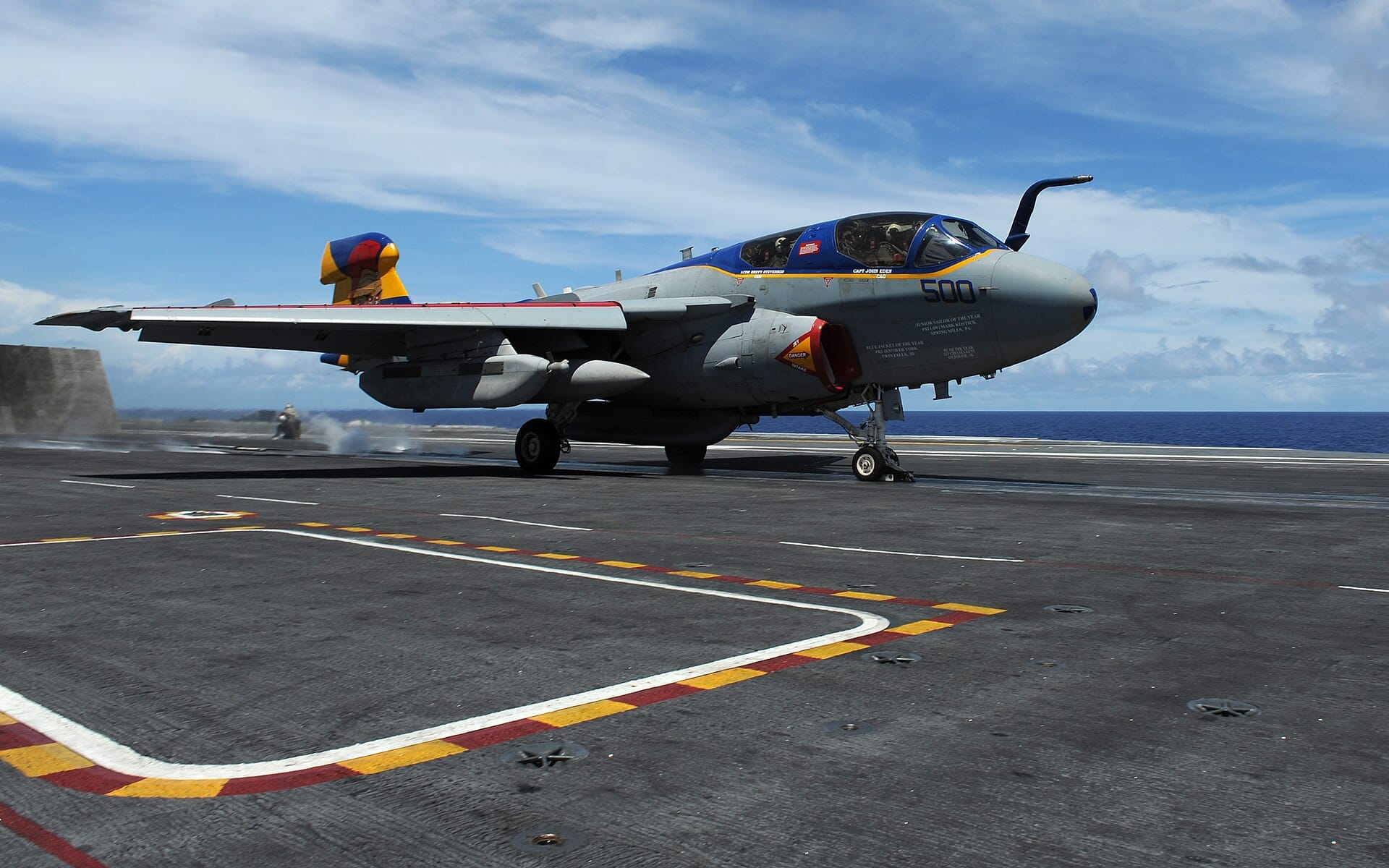
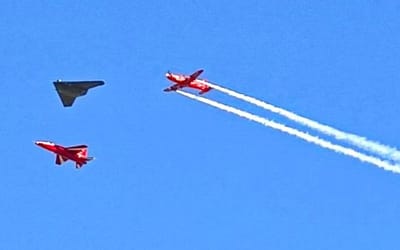
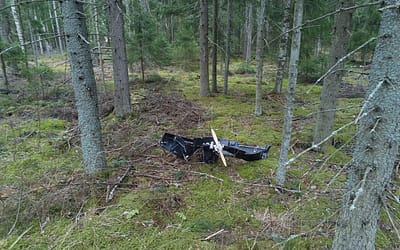
Aujourd'hui, le spectre électromagnétique est considéré comme un domaine de guerre à part entière, au même titre que la terre, la mer, l'air et l'espace. Des brouilleurs spécialisés, tels que les EA-18G Growler, escortent les systèmes d'attaque ; les chasseurs les plus récents embarquent de puissants systèmes de guerre électronique ; et une nouvelle génération de brouilleurs à distance, comme celui-ci, est en cours de développement. La Turquie a récemment dévoilé, Elle peut aveugler un ennemi à distance de sécurité. Les combats ne se limitent plus au radar : le brouillage et l’usurpation des signaux de navigation sont devenus monnaie courante dans les conflits modernes, désorientant les armes et les aéronefs en leur fournissant de fausses positions.
Dans les guerres modernes, ce combat invisible est omniprésent. Des régions entières sont saturées de brouillage qui perturbe les signaux de navigation par satellite ; les drones s'écrasent au sol lorsque leurs liaisons sont coupées ; les armes de précision ratent leur cible lorsque leur guidage est leurré. Une grande partie de ces opérations reste invisible sur les images, car il n'y a rien à voir : seulement la panne soudaine d'une machine qui aurait dû fonctionner. Les descendants des bandes de Hambourg mènent désormais une guerre entièrement composée de signaux, qui se déroule dans une partie du spectre qu'aucun œil humain ne pourra jamais percevoir.
Ce n'est pas un hasard si la guerre électronique et furtivité Nous avons grandi ensemble. La furtivité vous rend difficile à repérer ; le brouillage paralyse la vision ennemie. Combinez les deux, et vous pourrez vous déplacer dans un ciel défendu presque comme les « Fenêtres-de-Fenêtre » au-dessus de Hambourg : invisibles, indétectables et toujours une longueur d’avance sur les machines conçues pour vous arrêter.
Comparaison des puissances — La guerre électronique à travers les époques
| Seconde Guerre mondiale | Les systèmes de déviation de faisceaux britanniques et le système “ Window ” contre les systèmes de défense guidés par radar allemands |
| Vietnam | Le système américain “ Wild Weasel ” et les avions de brouillage contre le réseau SAM de fabrication soviétique |
| Aujourd'hui | Growlers, systèmes de guerre électronique embarqués pour avions de combat et brouilleurs à distance — les États-Unis, la Chine, la Russie, la Turquie et d'autres |
| Le verdict | Le camp qui contrôle le spectre contrôle souvent le ciel |
Sources : Musée de la Royal Air Force ; Musée impérial de la guerre ; Musée national de l’US Air Force ; ouvrages de référence sur la guerre électronique et la guerre aérienne au-dessus de l’Allemagne et du Vietnam.
| 1. | Le dirigeable en guerre | Comment le Zeppelin a transporté pour la première fois la guerre dans les airs |
| 2. | Première mission : reconnaissance | Les yeux qui ont conquis la Marne et sont montés en orbite |
| 3. | Le combattant | La quête centenaire du contrôle de l'air |
| 4. | Folkestone, 1917 | Le jour où le bombardement stratégique est né |
| 5. | La révolution de la précision | Quand les bombes et les missiles ont appris à viser eux-mêmes |
| 6. | La Guerre des Sorciers | Comment la guerre électronique a appris à aveugler l'ennemi |
| 7. | Yeux en orbite | Comment l'espionnage s'est étendu à l'espace |
| 8. | Furtivité | Comment les avions ont appris à disparaître des radars |
| 9. | L'essor du drone | La guerre sans pilote dans le cockpit |
| 10. | La sixième génération | Quand le chasseur a appris à voler tout seul |
LECTURES COMPLÉMENTAIRES
Les Ailes de la Guerre : De Zeppelin à la Sixième Génération (aperçu de la série)L'avion de chasse turc « tueur de radars » fait son apparitionFurtivité : comment les avions ont appris à disparaître des radarsLa révolution de la précision : comment les bombes et les missiles ont appris à viser eux-mêmes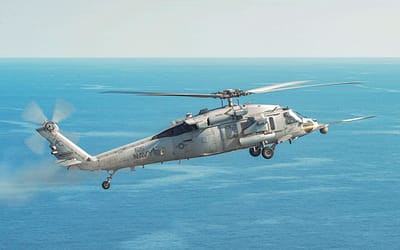
0 commentaire