
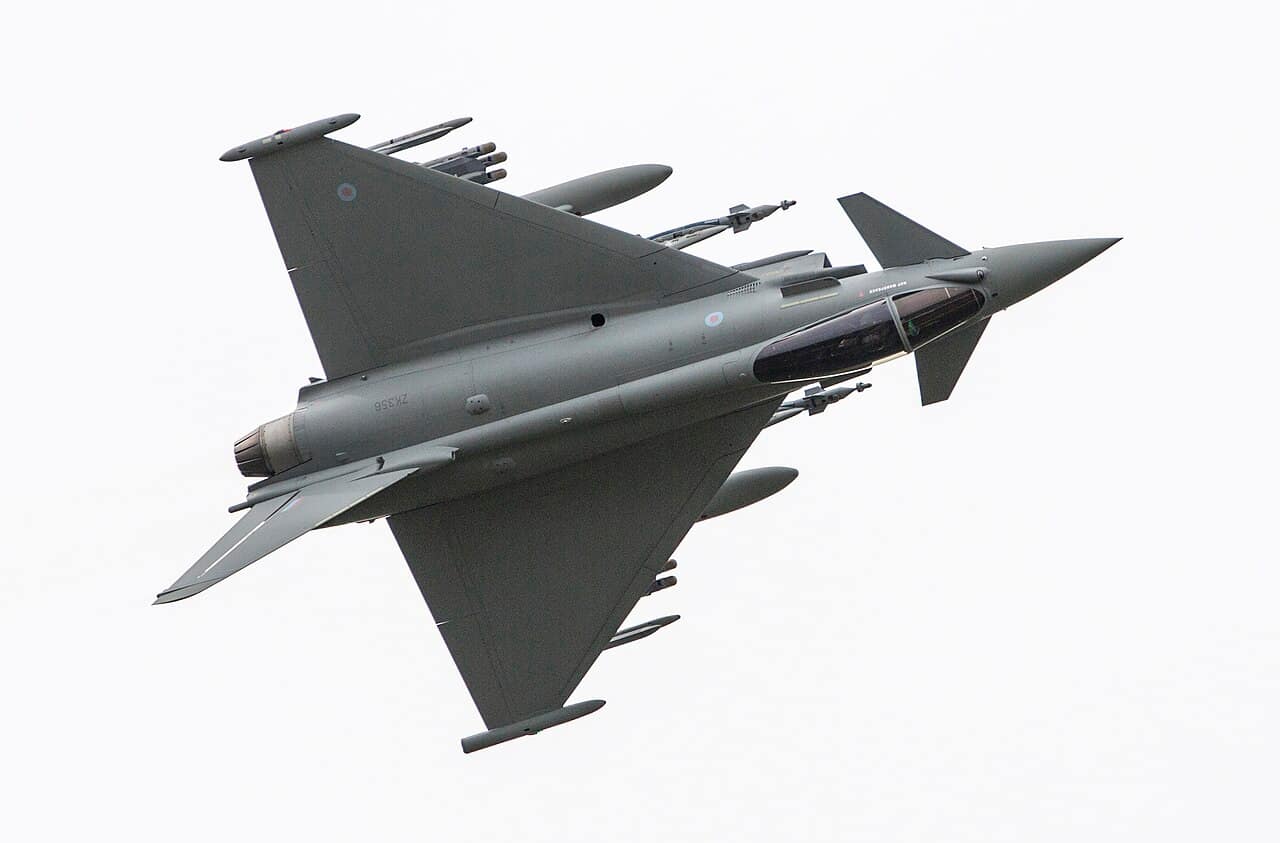
Britain has put a number on its future: £298 billion. That is the size of the Defence Investment Plan unveiled at the end of June, the government’s four-year blueprint for rebuilding an armed forces bent on fighting “the wars of today and tomorrow.”
It is a genuinely large figure — enough to push UK defence spending from £54 billion a year to almost £80 billion by 2029, and to 2.7 percent of GDP, the highest share in three decades. The harder question, the one defence-watchers seized on immediately, is how much of that headline is new steel in the sky and how much is clever bookkeeping.
| Plan | UK Defence Investment Plan, published 30 June 2026 |
| Total | £298 billion over four years (incl. £15bn new) |
| Spending path | £54bn/yr → ~£80bn/yr by 2029; 2.7% of GDP |
| Sixth-gen fighter | >£8bn for GCAP with Japan & Italy |
| Drones | >£5bn for a “drone transformation” |
What the RAF gets
Air power runs through the plan. More than £8 billion over four years goes to the Global Combat Air Programme — the sixth-generation stealth fighter Britain is building with Japan and Italy, and which we covered when the £8.6 billion was pledged. On top of that, the UK will buy 12 F-35A jets and join NATO’s nuclear mission, pour more than £5 billion into drones and autonomy, and spend £790 million hardening the homeland against air, drone and missile attack — including directed-energy weapons and a new Integrated Air, Space and Missile Defence Operations Centre.
There is money for munitions too: £11 billion to refill stockpiles emptied by the aid flowing to Ukraine, with at least six new explosives factories promised by 2030. The picture is of an RAF rebuilt around crewed jets, robot wingmen, AI-driven targeting and layered air defence.
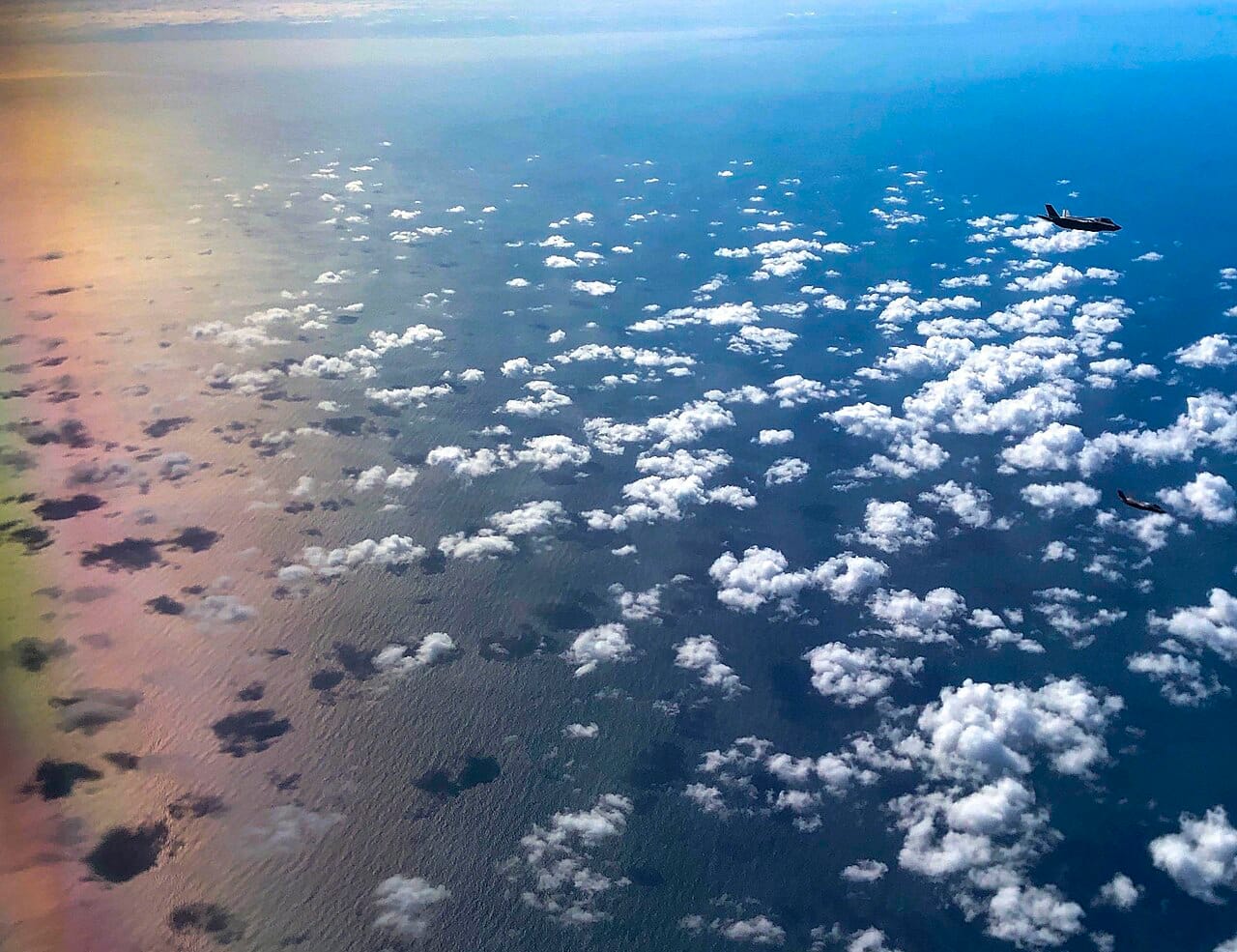
Sixth-gen force, or creative accounting?
Here is where the scepticism creeps in. Of the £15 billion in genuinely new money, the Defence Secretary himself acknowledged that most is not for shiny hardware at all — it is day-to-day spending to keep existing ships and aircraft available and crews trained. Vital, unglamorous, and not the same thing as a new fighter.
That candour cuts both ways. Readiness has been the British military’s quiet crisis for years — jets that cannot fly for want of spares, ships alongside for lack of crew — so spending on availability is arguably overdue. But it also means the eye-catching £298 billion total blends new investment with the cost of simply keeping the current force running, which is why analysts asked whether the plan is a leap in capability or a repackaging exercise.
The signal
Whatever the accounting, the direction is unmistakable. Britain is betting that the next war will be won by crewed jets flying with drones, by AI that picks targets faster than a human can, and by air defences that can swat a swarm out of the sky. The GCAP demonstrator is due to fly in 2027, with the operational fighter targeted for 2035. Between now and then, the test is simple: does the hardware arrive, or does the £298 billion turn out to be mostly the sound of a treasury balancing its books?
Sources: GOV.UK / Ministry of Defence; The Aviationist; FlightGlobal; House of Commons Library.
Questions connexes
What is the UK Defence Investment Plan?
The UK Defence Investment Plan is a four-year blueprint for rebuilding Britain's armed forces, published on 30 June 2026. Worth £298 billion, it aims to prepare the military for the wars of today and tomorrow, funding a mix of crewed aircraft, drones, AI-driven targeting and layered air defence. It would push defence spending to its highest share of GDP in three decades.
How much is the UK spending on defence?
Under the plan, UK defence spending rises from about £54 billion a year to almost £80 billion by 2029, roughly 2.7 percent of GDP, the highest share in three decades. The headline figure is £298 billion over four years, of which about £15 billion is described as genuinely new money.
What does the UK defence plan mean for the RAF?
Air power runs through the plan. More than £8 billion over four years goes to the Global Combat Air Programme (GCAP), Britain's sixth-generation stealth fighter effort with Japan and Italy, while £5 billion funds a drone transformation. The RAF also gains 12 additional F-35As and is folded more deeply into NATO's nuclear mission.
Qu'est-ce que GCAP ?
GCAP, the Global Combat Air Programme, is a joint sixth-generation fighter project between the United Kingdom, Japan and Italy. It aims to field an advanced stealth combat aircraft designed to fly alongside drone wingmen. The UK's 2026 Defence Investment Plan commits more than £8 billion to the programme over four years, one of its largest single air-power line items.
Is the UK's £298 billion all new money?
No. Of the £298 billion headline, only about £15 billion is genuinely new money, and the Defence Secretary, Dan Jarvis, acknowledged that most of that is day-to-day spending to keep existing ships and aircraft available and crews trained, rather than new hardware. Big-ticket kit is funded through separate long-running programmes such as the multi-billion-dollar F-35 engine contracts.
0 commentaire