
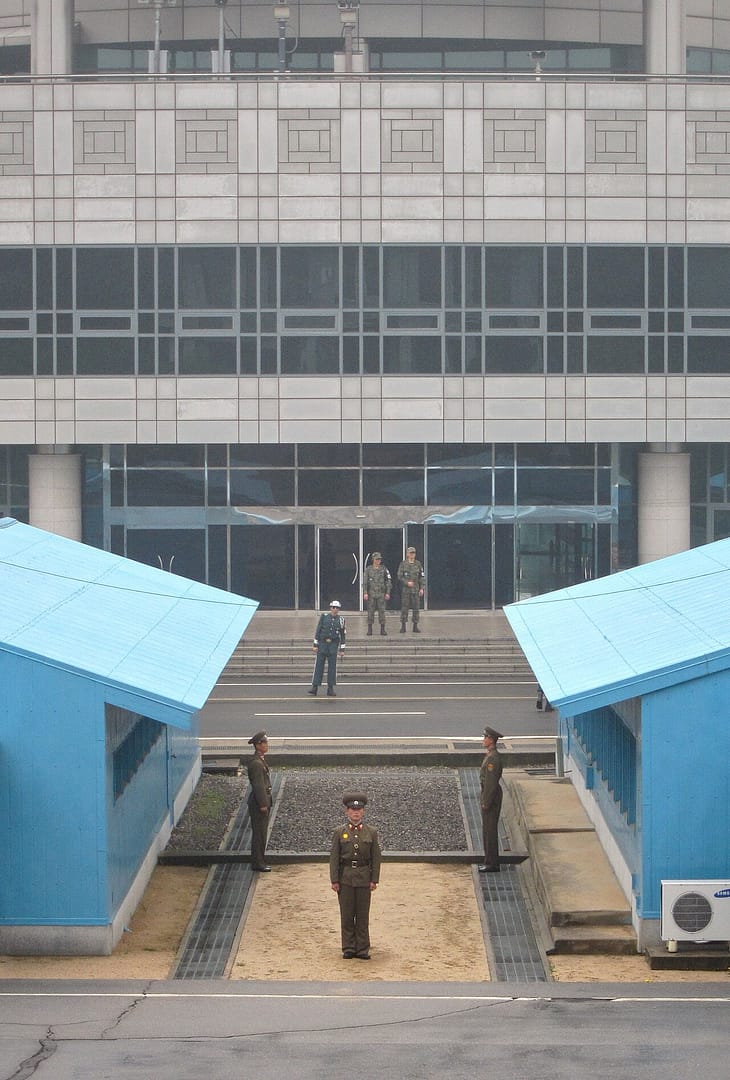
At about 2:30 in the afternoon on 30 July 2026, sensors along South Korea's border with the North picked up something they couldn't identify: an unmanned aircraft, near a frontline outpost, not squawking anything friendly. In the most heavily militarised strip of land on Earth, an unidentified drone is guilty until proven innocent.
South Korea's military raised its "Durumi" counter-drone alert, pushed shelter messages to residents north of the Civilian Control Line near Cheorwon — about 70 kilometres north of Seoul — and, by several accounts, moved to a posture where it was prepared to shoot the thing down.
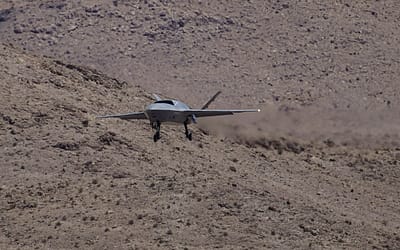
About an hour later came the awkward reveal: the drone was American. It belonged to the U.S. Marine Corps, flying as part of a joint exercise with South Korea's own Marines. Nobody fired, nobody actually evacuated — the texts were precautionary — but Seoul has opened a review into how an allied aircraft nearly became a friendly-fire statistic.
Informations clés
| Quoi | Unidentified drone near the inter-Korean border |
| Quand | 30 July 2026, ~2:30 p.m. |
| Où | Near Cheorwon, ~70 km north of Seoul |
| Alert | "Durumi" counter-drone readiness posture |
| Actually was | A U.S. Marine Corps drone (3rd Bn, 7th Marines) |
| Contexte | U.S.–ROK Marine bilateral training |
| Résultat | No shots fired, no injuries |
| Fallout | South Korean military review of the incident |
An hour of not knowing
Korean forces tracked the aircraft with radar and a thermal observation device but could not immediately tell whose it was. That is the nightmare scenario near the Demilitarized Zone: North Korea has flown drones across the border before, so the default assumption skews hostile. The Durumi alert exists for exactly this — a standardised readiness posture for unmanned-aircraft response, complete with automated warning messages to civilians.
Residents were told to take shelter or leave a restricted checkpoint area. Troops elevated their posture. For an hour, a routine training drone was, as far as the sensors knew, a potential threat from the North.
Whose drone was it?
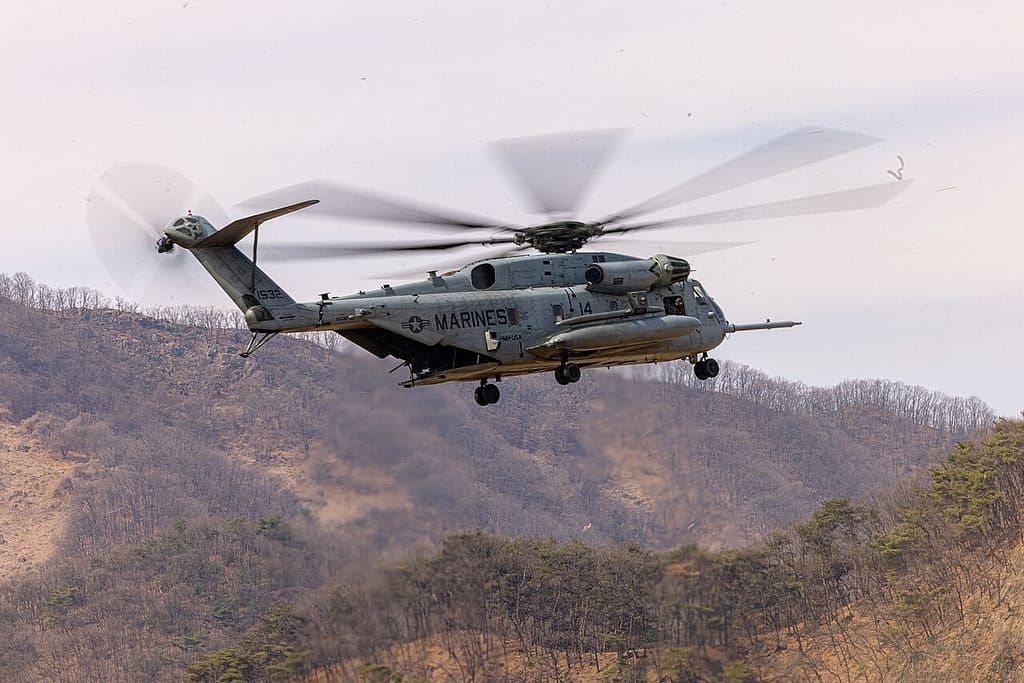
U.S. Forces Korea confirmed the aircraft was one of its own, operated by Marines during bilateral training with the Republic of Korea Marine Corps' 1st Marine Division. The drone was reportedly flown by Marines of the 3rd Battalion, 7th Marine Regiment.
The coordination gap
Here is where it gets uncomfortable. USFK reportedly gave prior notice that it would operate drones near the border and coordinated the training — but South Korea's military says it never granted formal approval. Investigators think the drone's planned flight either wasn't passed down to the local units watching that stretch of frontier, or the aircraft strayed off its intended course.
Either way, South Korean inspectors have visited the responsible army corps to work out how a friendly drone got close enough to a shootdown decision. It is a reminder that alliance interoperability is not just about shared radios and joint drills — it is about making sure the sergeant watching the radar at 2:30 p.m. knows what is supposed to be in his sky.
The good news: the system worked, in the sense that nobody pulled the trigger on the wrong target. The bad news: it came close, over a border where mistakes are measured in seconds. Expect the after-action report to be read very carefully on both sides of the Pacific.
Sources: The Korea Herald; The Korea Times; UPI; Kyunghyang Shinmun; Anadolu Agency.
0 commentaire