
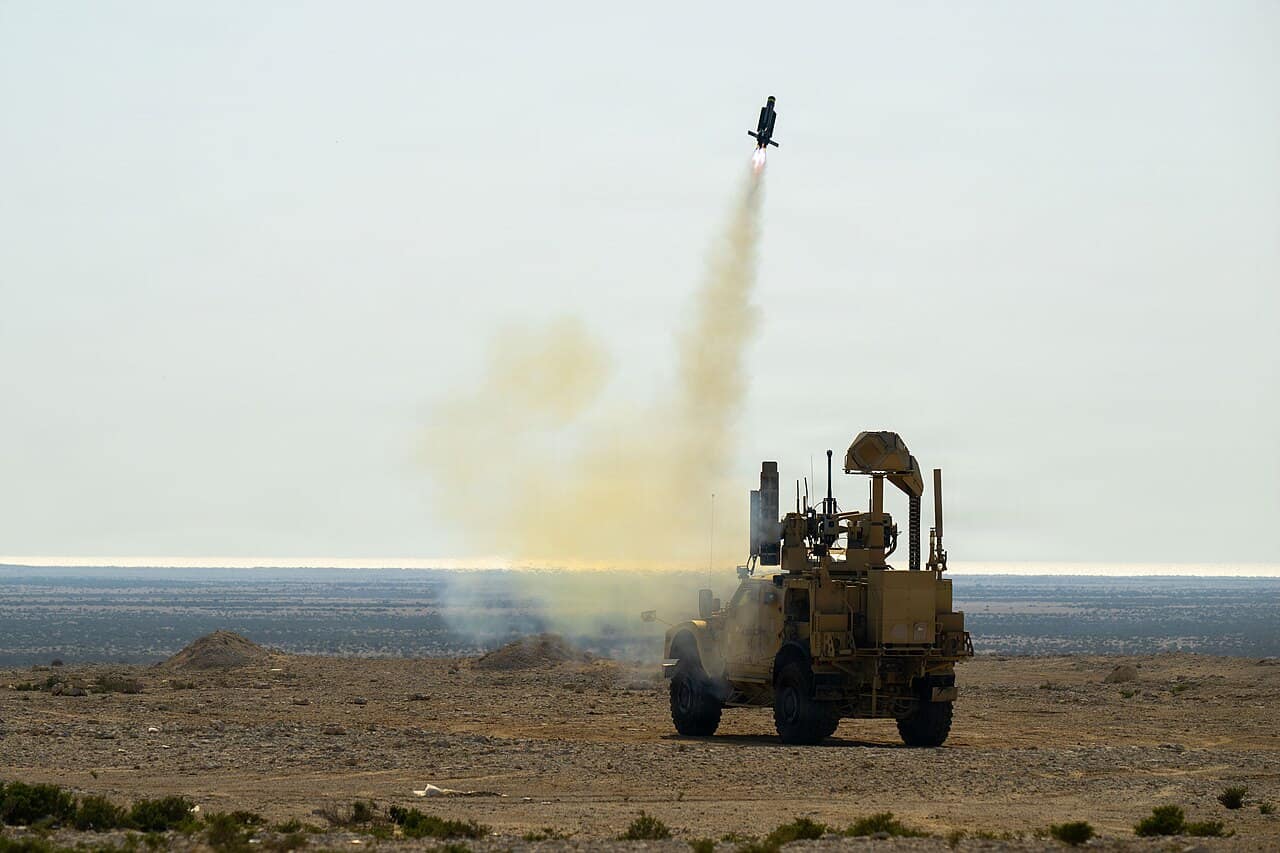
L'aéronef qui inquiète le plus les commandants de bases aériennes américaines en 2026 n'est ni un chasseur furtif chinois, ni un bombardier russe. Il s'agit d'un quadricoptère à batterie, moins cher qu'un ordinateur portable d'occasion, et rien n'empêche un appareil hostile de survoler à basse altitude la clôture d'une base abritant des avions de chasse valant des milliards de dollars.
L’armée de l’air américaine a donc mis en place un laboratoire dont la seule mission est de trouver comment l’éliminer – et ce mois-ci, elle a lancé un appel à l’industrie pour trouver de meilleures façons d’y parvenir.
En résumé, le message est le suivant : apportez-nous tout ce qui peut localiser un petit drone et l'abattre, et apportez-le vite.
Informations clés
| OMS | Laboratoire de défense ponctuelle ACC, 319e escadre de reconnaissance, base aérienne de Grand Forks, Dakota du Nord |
| Mission | Protéger les bases aériennes et spatiales américaines sur le territoire national contre les drones |
| Désirs | Systèmes de détection et de suivi, et effecteurs : roquettes, drones intercepteurs, lasers à haute énergie, micro-ondes de forte puissance |
| Date limite du fournisseur | 31 juillet 2026 |
| Exercices | Environ six courses auront lieu en 2026 ; d'autres sont prévues en août et décembre. |
| Rapport dû | Au commandant de l'ACC d'ici fin 2026 |
Red Air, avec des quadricoptères
Ce laboratoire, volontairement peu prestigieux, est basé à Grand Forks et placé sous l'autorité du Commandement du combat aérien. Il oppose des équipes d'aviateurs, jouant le rôle de “ Red Air ” (pilotage de petits drones de groupes 1 et 2, versions commerciale et militaire légère), à des systèmes anti-drones concurrents afin d'évaluer leur efficacité réelle face à un essaim de drones survolant la zone de vol. Environ six exercices de ce type ont déjà eu lieu cette année.
L'enjeu ne réside pas uniquement dans le matériel. Il s'agit de la coordination humaine de la défense de la base : qui repère le drone, qui est autorisé à tirer et à quelle vitesse toute la chaîne se met en place.
Cette question paraît simple jusqu'à ce qu'on se souvienne que, jusqu'à très récemment, défendre une base aérienne contre un engin volant impliquait des avions de chasse et des missiles sol-air — des systèmes conçus pour abattre d'autres avions, et non pour repousser un drone de loisir hors du circuit aérien sans envoyer un missile à travers un hangar.
Tout ce qui tue un drone
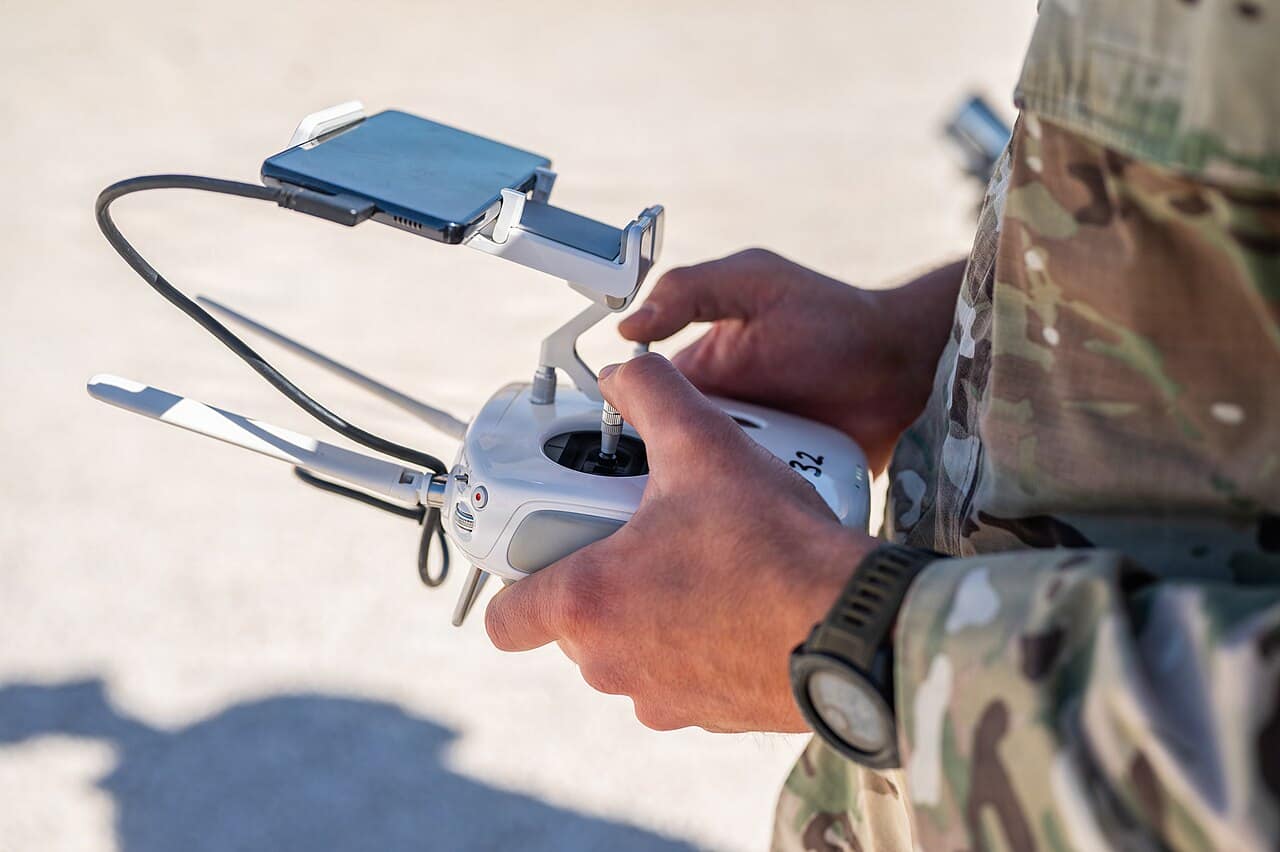
Le laboratoire demande deux choses : des capteurs pour détecter, identifier et suivre les drones entrants, et des effecteurs pour les détruire. La liste des effecteurs souhaités ressemble à un catalogue de toute l’industrie anti-drones : roquettes guidées, intercepteurs de drones, lasers à haute énergie et armes à micro-ondes de forte puissance capables de paralyser l’électronique de toute une formation en un instant.
Elle n'existe pas en vase clos. Le Pentagone a déjà commencé à déployer des systèmes laser et micro-ondes sur cinq bases, a mis en place des unités de défense aérienne dédiées et, après avoir simulé une attaque de drones de type ukrainien sur un champ de tir en Floride, a conclu que ses bases sur le territoire national étaient bien plus vulnérables que quiconque ne voulait l'admettre. Le Battle Lab est l'endroit où ces enseignements sont transformés en plan d'action.
Un aperçu de la rapidité avec laquelle l'industrie anti-drones se développe, tiré d'un salon de la défense de 2026.
L'horloge est un Shahed
L'urgence n'est pas théorique. Des drones d'attaque à usage unique bon marché, comme le Shahed iranien, ont démontré qu'un appareil valant quelques milliers de dollars peut menacer des cibles qui nécessitaient auparavant un missile de croisière. De plus, les incursions mystérieuses de drones au-dessus des bases stratégiques américaines sont restées impunies à maintes reprises, faute de moyens de riposte efficaces. Vue du ciel, chaque base abritant des aéronefs constitue une cible immense et largement sans défense.
L'industrie a jusqu'à fin juillet pour répondre. Les idées retenues seront mises à l'épreuve lors des exercices d'août et de décembre, et un rapport sera remis au commandant du Commandement du combat aérien avant la fin de l'année. Pour une fois, la course aux armements que l'Armée de l'air tente de gagner ne se mesure pas en nombre de Mach, mais en dollars par drone abattu – et elle s'efforce de réduire ce coût avant qu'un adversaire ne le fasse grimper.
Sources : Air & Space Forces Magazine ; DefenseScoop ; Defense One ; US Air Force.
Questions connexes
Qu'est-ce que le laboratoire de combat de défense ponctuelle de l'ACC ?
Il s'agit d'un laboratoire de l'US Air Force, placé sous l'autorité du Commandement du combat aérien et rattaché à la 319e escadre de reconnaissance de la base aérienne de Grand Forks, dans le Dakota du Nord. Sa mission exclusive est la défense des bases aériennes et spatiales du territoire national contre les petits drones, et le test de systèmes anti-drones lors d'exercices réels contre des aviateurs effectuant des simulations d'attaques.
Pourquoi les petits drones représentent-ils une menace pour les bases militaires ?
Un quadricoptère à batterie, coûtant moins cher qu'un ordinateur portable d'occasion, peut survoler une base remplie d'avions valant des milliards de dollars, et l'intercepter s'avère étonnamment difficile. Les drones commerciaux bon marché peuvent effectuer des missions de surveillance ou transporter des charges utiles, et les systèmes de défense aérienne traditionnels n'ont jamais été conçus pour des cibles aussi petites, lentes et volant à basse altitude.
Quelles armes peuvent abattre les petits drones ?
L'appel d'offres lancé par l'armée de l'air américaine en juillet 2026 auprès de l'industrie porte sur des systèmes de détection et de suivi, ainsi que sur une gamme complète d'effecteurs : roquettes, drones intercepteurs, lasers à haute énergie et armes à micro-ondes de forte puissance. L'armée a également pris des mesures pour… un responsable des drones du Pentagone coordonner les efforts de lutte contre les drones.
Que sont les drones de groupe 1 et de groupe 2 ?
Il s'agit des plus petits drones de l'armée américaine : des modèles commerciaux et militaires légers comme les quadricoptères et les petits avions à voilure fixe. Lors des exercices du laboratoire de combat, les aviateurs pilotent des drones des groupes 1 et 2 en tant qu'attaquants ' Red Air ' contre des systèmes anti-drones concurrents afin d'évaluer l'efficacité réelle des attaques contre un essaim.
Quand l'armée de l'air choisira-t-elle de nouvelles armes anti-drones ?
Les fournisseurs ont jusqu'au 31 juillet 2026 pour répondre à l'appel d'offres. Environ six exercices d'évaluation ont déjà eu lieu en 2026, d'autres sont prévus en août et en décembre, et le laboratoire de combat doit remettre un rapport au commandant du Commandement du combat aérien d'ici la fin de l'année.
Des drones ont-ils aussi attaqué des navires de guerre ?
La guerre par drones s'est également étendue à la mer — les marines déploient désormais des drones. drones kamikazes lancés depuis des navires de guerre, et les navires de défense sont confrontés aux mêmes problématiques économiques liées aux attaques à bas coût qui préoccupent les commandants de bases aériennes terrestres.


0 commentaire