

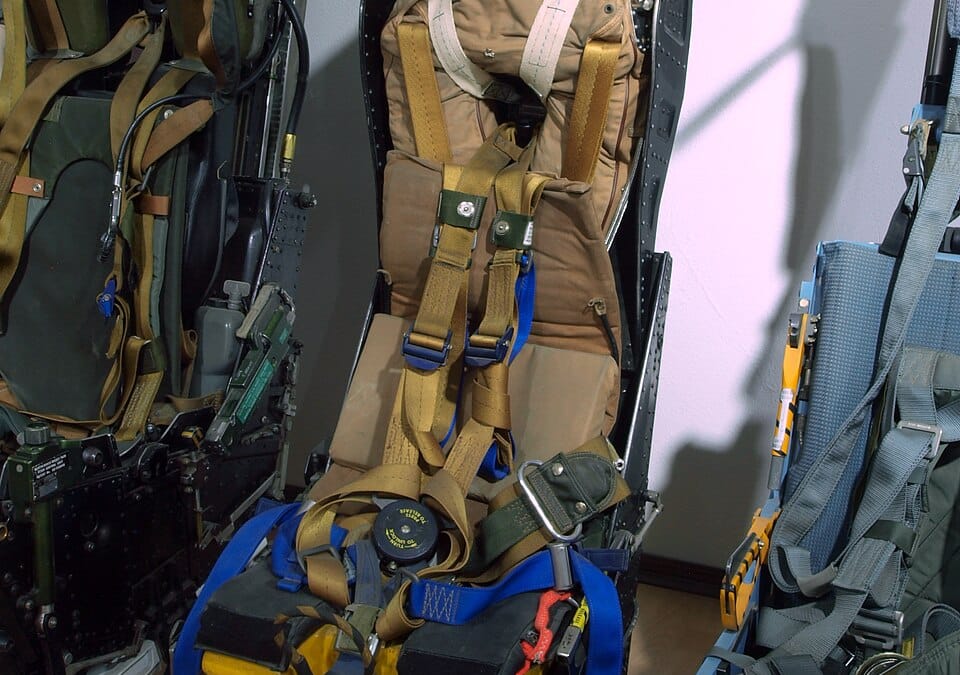
How the Ejection Seat Was Invented
They aimed to launch a man out of an aircraft at 600 miles per hour and have him survive the journey. It was 1945, and James Martin, a British engineer, had set out to solve a problem that had killed countless pilots: when your fighter is hit and burning and you’re...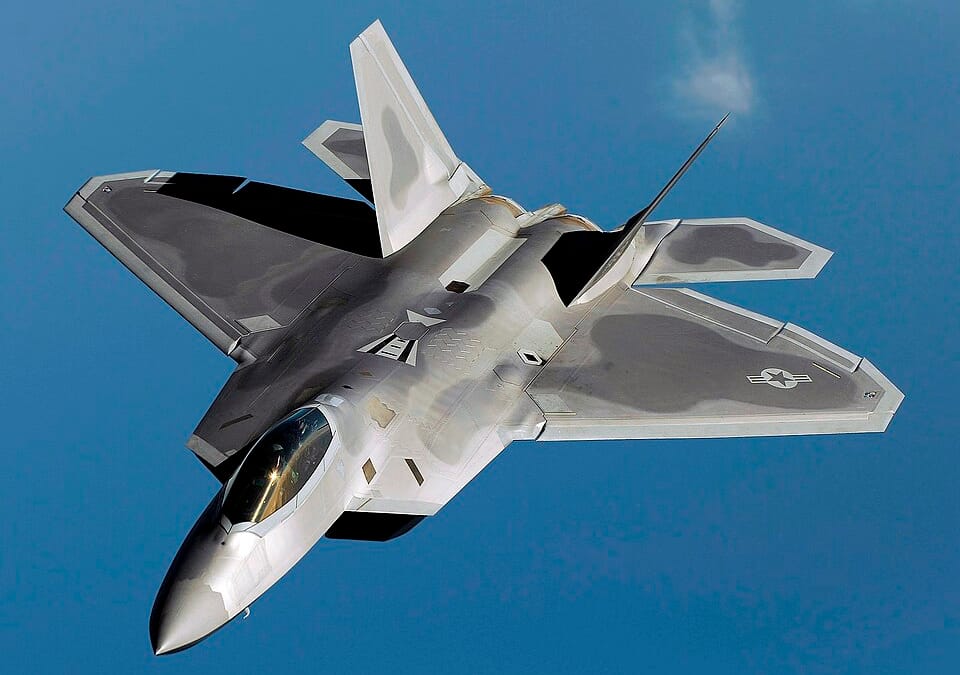
Why Fighter Jets Have Two Tails
There’s a reason the most lethal fighter jets on Earth look like they were built in pairs. The twin vertical stabilizer isn’t decorative—it’s an engineering solution to a physics problem that becomes impossible to ignore once you’re pulling 9 Gs and dancing with...
La foudre frappe votre avion deux fois par an
A blinding flash. A sound like the earth splitting open. Your coffee cup rattles. The cabin lights flicker. Then everything goes back to normal. Most passengers sleep through it. Statistically, commercial aircraft get struck by lightning roughly once or twice every...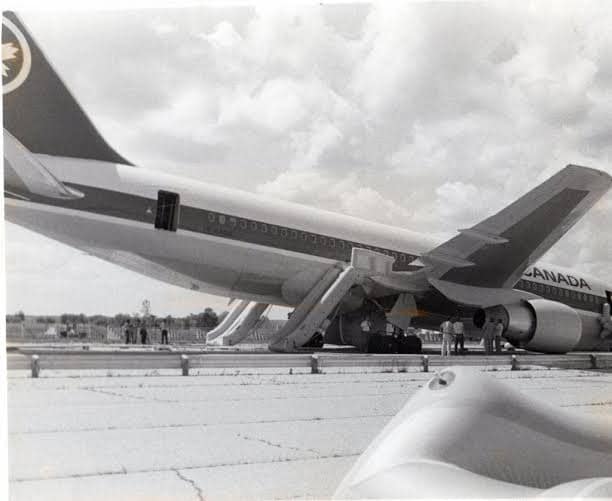
Both Engines Fail at 40,000 Feet — Now What?
It shouldn’t be survivable. Two massive turbofan engines—the only things keeping a 600,000-pound aircraft aloft—both quit simultaneously at 40,000 feet. No thrust. No electrical power. Dead silent cockpit except for the wind screaming past the fuselage. It’s the...
Night Landing Traps — What Your Eyes Won’t Tell You
You’re on a three-mile final. The runway lights are visible — two neat rows of white dots floating in a sea of black. Everything looks normal. You hold the descent. Then, 200 feet above the ground, something feels off. The VASI lights are screaming red....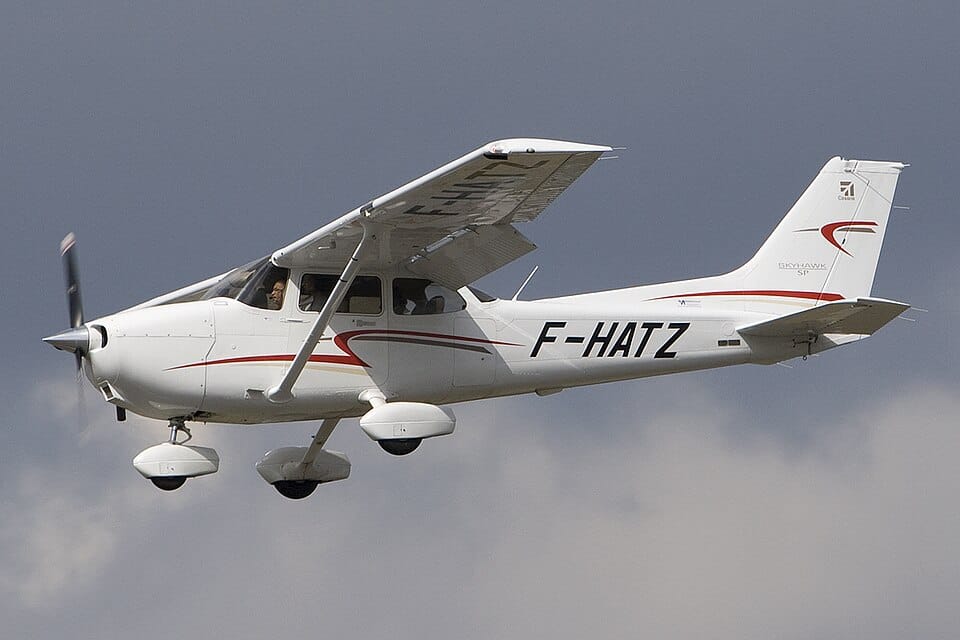
Best Glide vs Minimum Sink — One Saves Distance, One Saves Time
Your engine just quit. The propeller windmills to a stop. The cockpit gets eerily quiet except for the wind and the stall warning horn you’re about to hear if you don’t do something right now. Every student pilot knows the first move: pitch for best glide...
One Wrong Turn, Two Planes, No Time
A Cessna 152 trainer — the type of aircraft most commonly found in the traffic pattern at uncontrolled airports. (Wikimedia Commons) Two aircraft, same altitude, converging at a combined closing speed that left neither pilot with time to react. One was flying the...
The Black Hole That Kills Pilots
Runway lights at night — sometimes the only visual reference a pilot has. (Photo: Wikimedia Commons) Imagine flying toward a runway on a moonless night. No city lights below. No horizon ahead. Just a rectangle of white and amber lights floating in absolute darkness....
Five Crosswind Mistakes Every Student Pilot Makes
The wind sock is standing sideways. It looks aggressive, almost mocking. You’re on short final, and your knuckles are white on the yoke. The runway keeps sliding sideways no matter what you do with the controls. Your instructor—if you’re lucky enough to...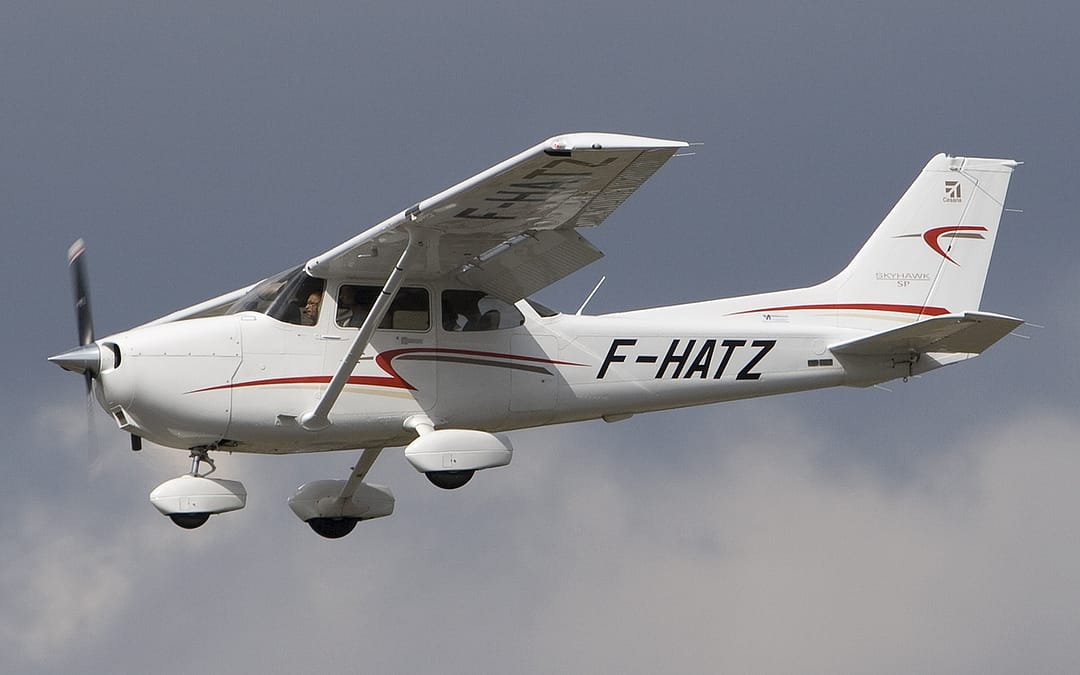
What Really Happens on Your First Solo Flight
The cabin is silent except for the wind through the vents. Your instructor’s seat sits empty, and your hands grip the yoke so hard your knuckles have gone white. The runway stretches ahead, indifferent to the hammering in your chest. In exactly ninety seconds,...
Commentaires récents