
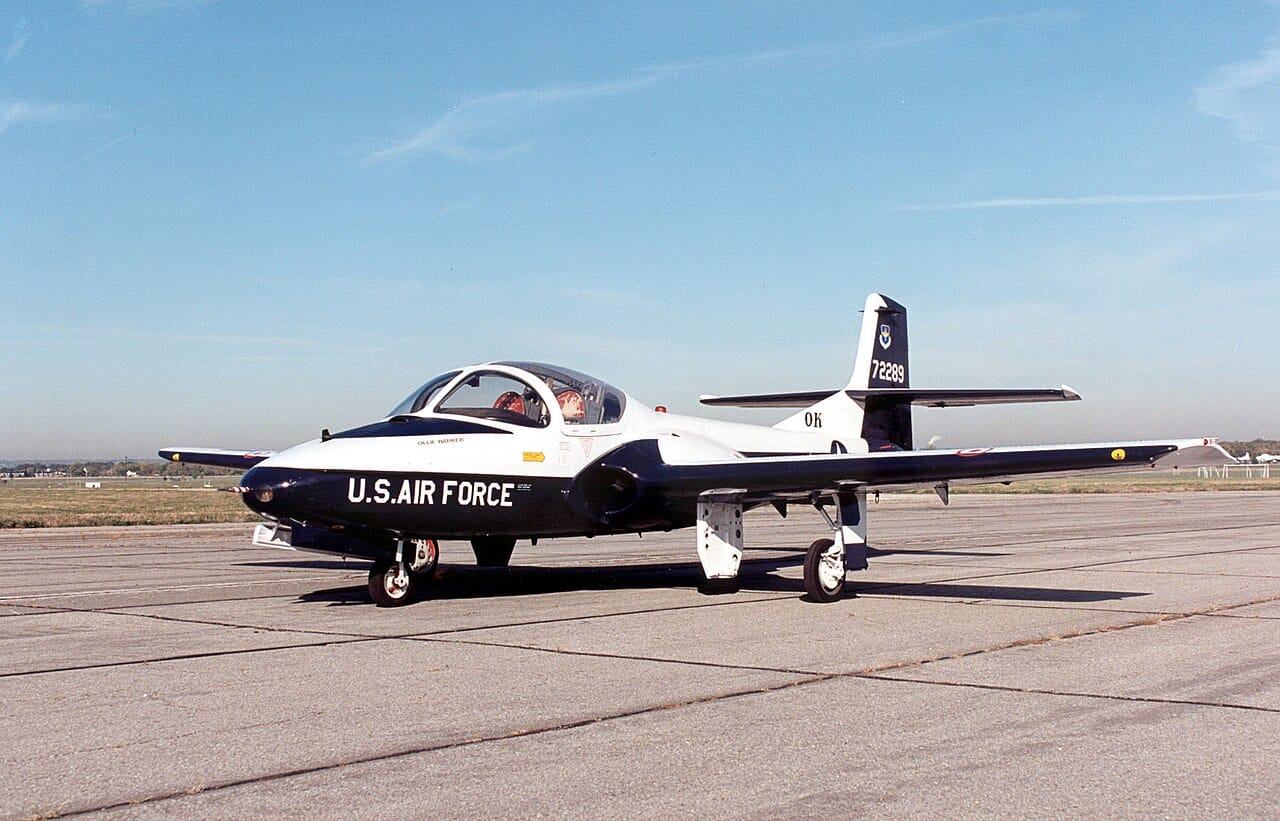
Every pilot who trained on it remembers the sound before the shape. Long before you saw the stubby little jet taxi out, you heard it: a shriek so piercing it seemed to drill straight through your skull. Ground crews had a name for the Cessna T-37 that said it all. They called it the 6,000-pound dog whistle.
Small jet, big job
The T-37 was born from a 1952 US Air Force request for a lightweight twin-seat jet to introduce cadets to jet flying. Cessna, then known for piston aircraft, surprised many by winning with its Model 318, a clean little machine with side-by-side seating so instructor and student could work shoulder to shoulder. The prototype first flew on 12 October 1954.
FAITS RAPIDES
| Taper | Twin-engine primary jet trainer |
| Premier vol | 12 October 1954 |
| centrale électrique | 2 x Continental-Teledyne J69 turbojets |
| vitesse maximale | 684 km/h (425 mph) |
| Nombre construit | 1,269 (all variants) |
| Surnom | Tweet / the 6,000-pound dog whistle |
| Destin | USAF service 1956-2009; replaced by the T-6 |
Power came from two tiny Continental J69 turbojets, licence-built versions of the French Turbomeca Marbore. Those small, high-revving engines gave the Tweet its docile handling and its unforgettable scream. The early T-37A proved underpowered, so the definitive T-37B arrived with uprated engines and better avionics.
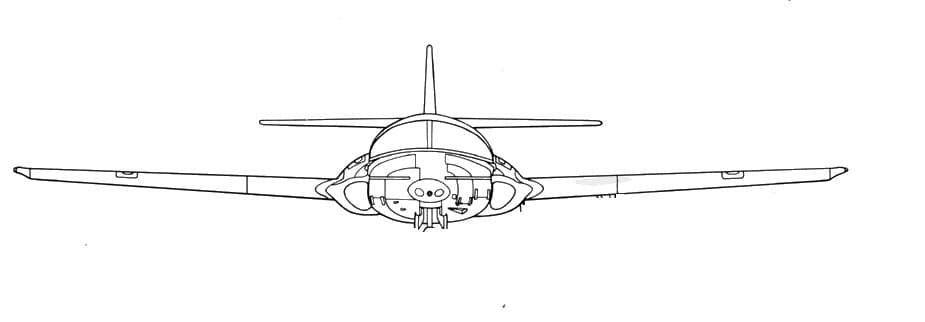
It was deliberately friendly to fly, with a wide-track undercarriage, forgiving low-speed manners and a speedbrake to tame its slippery airframe on approach. For a first jet, it was about as trustworthy as they come.
Half a century in the pattern
That trustworthiness kept it in service far longer than anyone imagined. The Tweet was the USAF's primary jet trainer for over 50 years, funnelling generations of student pilots toward faster machines before they moved on to advanced trainers.
In total, 1,269 were built before production ended in 1975. A dedicated attack derivative, the A-37 Dragonfly, took the design to war over Vietnam, and armed and export versions served across South America.
The USAF finally withdrew its last T-37 in 2009, handing the primary-training job to the turboprop T-6 Texan II. The dog whistle fell silent over American bases at last. But ask anyone who earned their wings on one, and they will tell you they can still hear it.
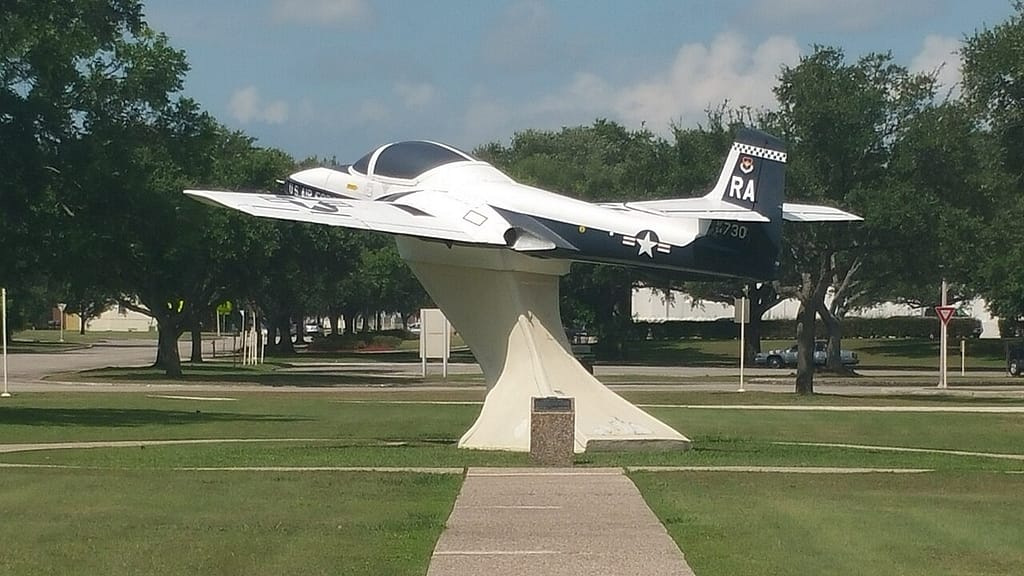
The little jet that trained legends, scream and all:
Sources: Wikipedia; U.S. Air Force; National Museum of the USAF.
0 commentaire