

Impressed by Top Gun? You shouldn't be.
Usually Hollywood exagerates, when we talk about fighter pilots and Top Gun, that's probably not the case. There is a few rather scary things of being an Air Force pilot or Navy pilot. Here is three points that fighter pilots have to deal with:1. G-Forces
We are talking about insane G-Forces here. During a recent Edge of Space Flight in the MiG-29, one of our customers had 9.2Gs. And he said it was pretty cumbersome and exhausting. To make sure - he explicitely wanted to make a new record for passenger fligths in the MiG-29. So this is not at all normal. And he was also wearing G-Suits. But still, that can be painful. We wrote an other post about G-Forces and how they work in case you are interested. Here is one of our favorite examples of the so-called G-LOC: Steve flew with the Blue Angels, and was repeatedly knocked out by the G-Forces. This is called G-LOC. It is a loss of consciousness occurring from excessive, sustained g-forces, which leads to draining blood away from the brain. By doing so it is causing cerebral hypoxia, this is why G-Suits press against arms and legs to stop the blood - along with a bit of technique like pressing in the whole body, which sets off another G. Here are the steps that can result from either higher G intensity or longer G duration (or - of course, any combination of those): 1. Greyout: loss or partial loss of color vision 2. Tunnel vision: peripheral vision lost, while center vision retains 3. Blackout - complete loss of vision (but still conscious) 4. G-LOC - Unconsciousness Of course pilot are sportier and better trained than Steve in the video above, among other things they do is centrifuge training. But they also have to deal with G-Forces much higher and longer compared to the fun ride shown. For example when they have to escape a missile. Or six like in the insane video below. So you see, this is really not fun. So, sorry Top Gun, even American pilots are not always cool and chewing guns or smoking cigars while leaning against nice cars (and getting laid by the teacher). Sometimes they have a few tough minutes also, like this poor guy in the video. But overall, flying a fighter jet is a lot of fun, we can guarantee you that. Otherwise we wouldn't be in this business.2. Ejecting a jet is painful and dangerous
If you have a problem with the fighter jet you simply eject? Sorry bro, it is not that easy. But before telling you the ugly truth, there is an exeption. The Russians are so cool, they make you think it was kind of boring - watch the next video to the end! Thruth is - especially at high speeds ejecting is very dangerous. The F-15 pilot in the video below who once had to pull out at supersonic speed:"I felt like somebody had just hit me with a train"
My head was swollen to the size of a basketball, my lips were swollen to the size of cucumbersThere is also a high risk of a malfunction. Nevertheless - ejection seats have safed many lifes, and it is a fascinating technology. A nice slow motion video that shows how an ejection seat works is available by the British ejection seat manufacturer Martin Baker.
3. Landing on an Aircraft Carrier
Maverick was a US Navy pilot in Top Gun - and one crazy part of their job is landing on an aircraft carrier. Former Navy pilot Barry Hampe:It is precision flying at low speed and a high angle of attack. It is the definitive skill that sets Navy carrier pilots (and Air Force exchange pilots who have flown with a Navy carrier squadron) apart from all others.To start with - let's see how that looks when the weather is bad. And they even do it at night. Mr. Hampe again:
All aviators know that black air is unlike any other color of air. It's thicker, making the engines churn more and even knock a bit. It's full of odd noises and makes your plane less fuel efficient. Gravity is also stronger in black air, as are both flavors of luck. Black air sucks. You can't stack overhead and coming raging in at the speed of heat at night or in really low visibility, so they set you up on a Case III profile. It's been done. More than once. That fact that burns into you, because you replaced a guy who did it a few months before you showed up. You’re even sleeping in his rack. Death can be very personal.Needless to say - There is a lot of things that can go wrong when landing on an aircraft carrier. Just a few examples (more below): First - there is this sporty aircraft carrier landing with a Russian Sukhoi Su-33. Missing the traps (cables) When landing - pilots give full power so they can do a go around if necessary. So the whole procedure is pretty violent. And demanding for the whole equipment - see next video. Snapping arresting cable Just a few examples of what can go wrong - more of it in the compilations below. Guess what - taking off from an aircraft carrier is dangerous too! Also the Aircraft Carrier take off is insane, with a steam powered - or on the newest aircraft carriers am electrically powered - catapult bringing fighter jets to a speed of 265km/h in under two seconds. And we are talking of planes that have an (empty!) weight of 14,550kg (F/A-18E Super Hornet) or almost 20,000kg (F-14 Tomcat) - loaded that is more than 21t for the Super Hornet and 27 for the Tomcat. And that weight must be reported well so the catapult can be ajusted correctly. Otherwise there is a chance that you get killed - of the speed is not high enough. It is called "Cold Cat Shot". How that looks - see below, in this 1984 video of a Northrop Grumman EA-6B Prowler that suffered a Cold Cat Ejection. Here is another one with a bit more luck. Oh wait. No! For those who didn't have enough - here is Carrier Mishaps compilation - with a few nasty ones. You liked that? Ok, here is some more: And then - check out that one. C-130 lands on an aircraft Carrier! Here is how landing on an aircraft carrier works:
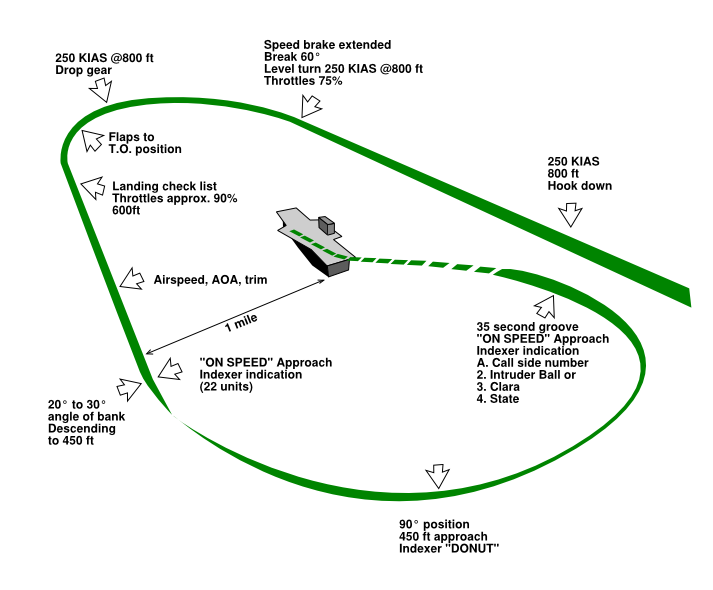 And hey - just a few things that make fighter pilot a tough job. If you want some more examples - let us know in the comments below!
Related Questions
Is flying a fighter jet really like Top Gun?
Not quite — the reality is tougher than Hollywood suggests. Real fighter flying involves brutal G-forces, the risk of losing consciousness, and intense physical and mental strain that films gloss over. Top Gun captures the glamour, but the actual demands on a fighter pilot's body are far more punishing than the screen lets on.
What is G-LOC?
G-LOC stands for G-induced Loss Of Consciousness — a blackout caused by sustained high G-forces draining blood away from the brain, starving it of oxygen (cerebral hypoxia). It can strike without warning, which is why pilots wear G-suits and use straining techniques to keep blood in the upper body.
What happens to your body under high G-forces?
As G-forces build, blood is pulled away from the head, causing a predictable progression: greyout (loss of colour vision), then tunnel vision (loss of peripheral sight), then blackout (total loss of vision while still conscious), and finally G-LOC, full unconsciousness. The exact onset depends on how high and how long the G-load lasts. The physiology of pulling 9G explains this in detail.
How do fighter pilots cope with G-forces?
Pilots use G-suits that squeeze the legs and abdomen to keep blood from pooling, combined with a straining manoeuvre — tensing the whole body and breathing in a special rhythm to maintain blood pressure to the brain. They also train in centrifuges to raise their G-tolerance and recognise the early warning signs.
How many Gs can a person take?
It varies with training and equipment. Untrained people may grey out around 4 to 5G, while trained pilots in G-suits using straining techniques can withstand roughly 9G for short periods. MiG-29 passengers typically feel about 7.5G, and a 9.2G passenger record has been set — punishing loads even for the fit.


0 Comments