
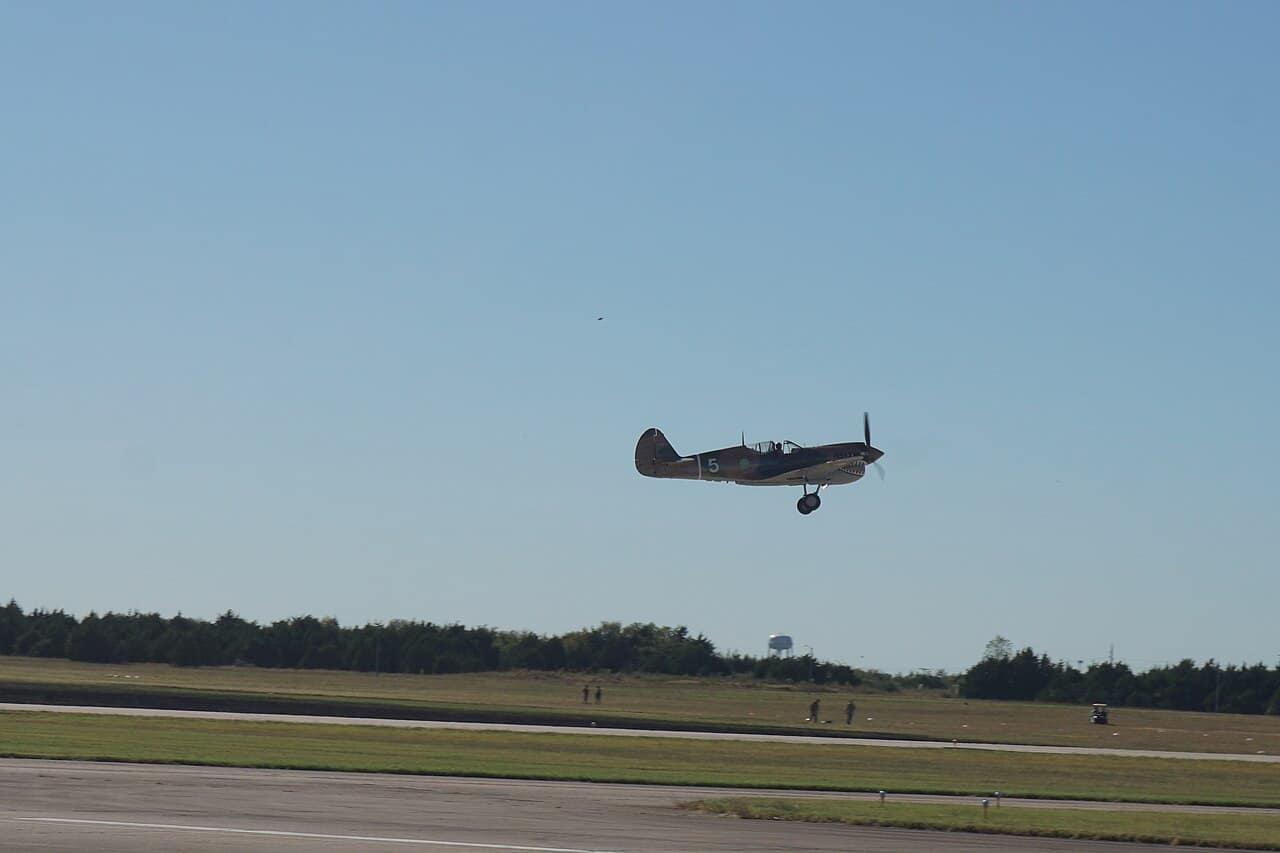
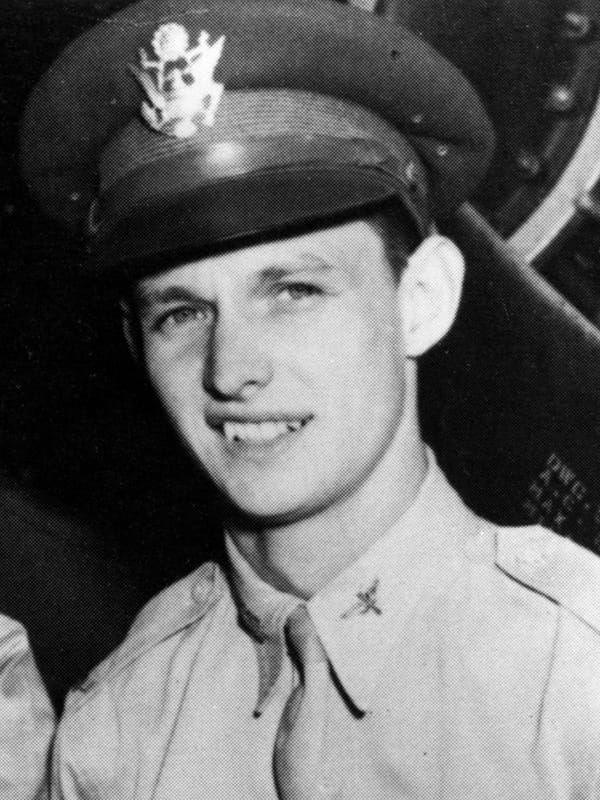
The sky over Pearl Harbor on the morning of 7 December 1941 belonged almost entirely to the attackers. Almost. While battleships burned and most American aircraft were destroyed on the ground, a handful of pilots managed to get airborne and fight back. The most successful of them was a 23-year-old lieutenant named George Welch.
Still in his tuxedo from an all-night party, Welch drove through the chaos to a small auxiliary airstrip, took off into the middle of the raid, and shot down four enemy aircraft. It was one of the only American victories of that catastrophic morning.
Informations clés
- OMS: George S. Welch (1918-1954), USAAF fighter pilot and later test pilot
- 7 December 1941: got airborne from Haleiwa in a Curtiss P-40 with Kenneth Taylor during the Pearl Harbor attack
- Credited: four Japanese aircraft shot down that morning
- Prix: Distinguished Service Cross (a Medal of Honor nomination was not endorsed)
- WWII record: a 16-victory ace across the Pacific
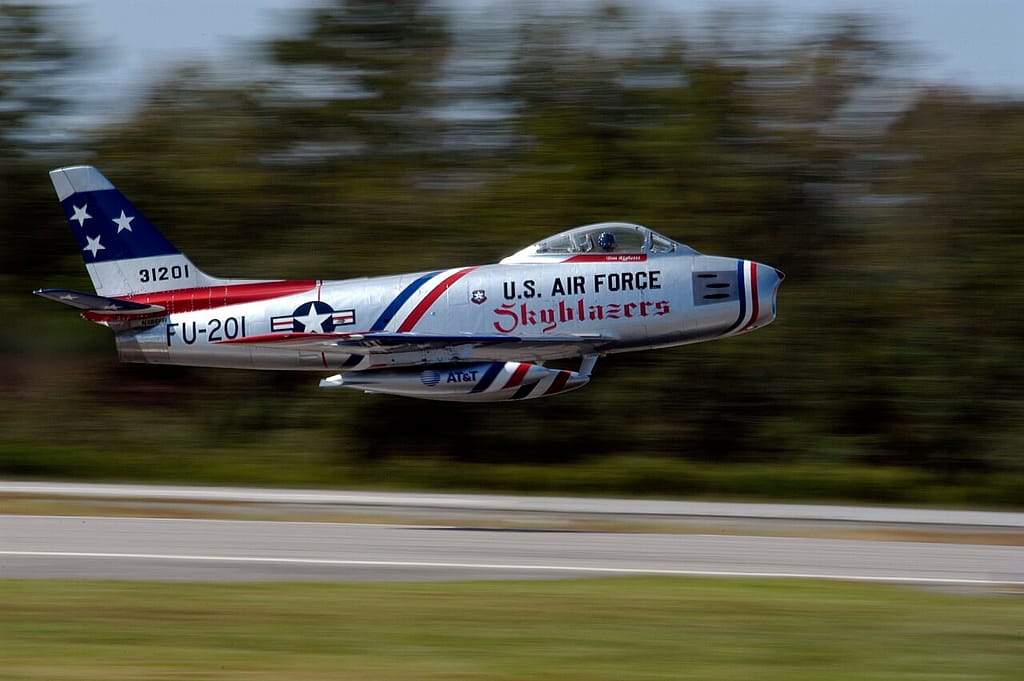
- Après la guerre: chief test pilot for North American Aviation — F-86 Sabre and F-100 Super Sabre
- Décédé: 12 October 1954, testing an F-100A Super Sabre
A tuxedo, a P-40, and a lot of nerve
Welch and his friend Kenneth Taylor had been up all night at a dance when the bombs began to fall. Instead of taking cover, they phoned ahead to the little field at Haleiwa on Oahu’s north shore, where a few P-40 fighters sat away from the main targets, and raced there by car under strafing fire.
Airborne and armed only with rifle-calibre machine guns, Welch waded into formations of Japanese aircraft over Oahu across two sorties — landing to rearm in between, while the attack still raged. By the end of the morning he was credited with four kills.
A medal denied
Welch’s commanding general, Hap Arnold, reportedly recommended him for the Medal of Honor. It was, the story goes, denied because Welch had taken off without orders. He received the Distinguished Service Cross instead, and went on to become a 16-victory ace across the Pacific before malaria ended his combat career.
The test pilot’s end
After the war Welch became a test pilot for North American Aviation, flying the prototype of the F-86 Sabre and later the F-100 Super Sabre. There is a long-running story — unproven and disputed by other pilots — that Welch may have nudged the XP-86 past the speed of sound in a dive weeks before Chuck Yeager’s official record; Welch never claimed it himself, and it remains legend rather than fact. In October 1954 his luck finally ran out: an F-100A broke apart during a high-speed test dive, and the man who had survived Pearl Harbor was killed.
He is remembered best for a single morning — the pilot who, against every odd, fought back.
Sources: Wikipedia; Gordon Prange, "At Dawn We Slept"; This Day in Aviation; History.com. The pre-Yeager supersonic claim is presented as a disputed, unproven story.
Articles similaires
0 commentaire