
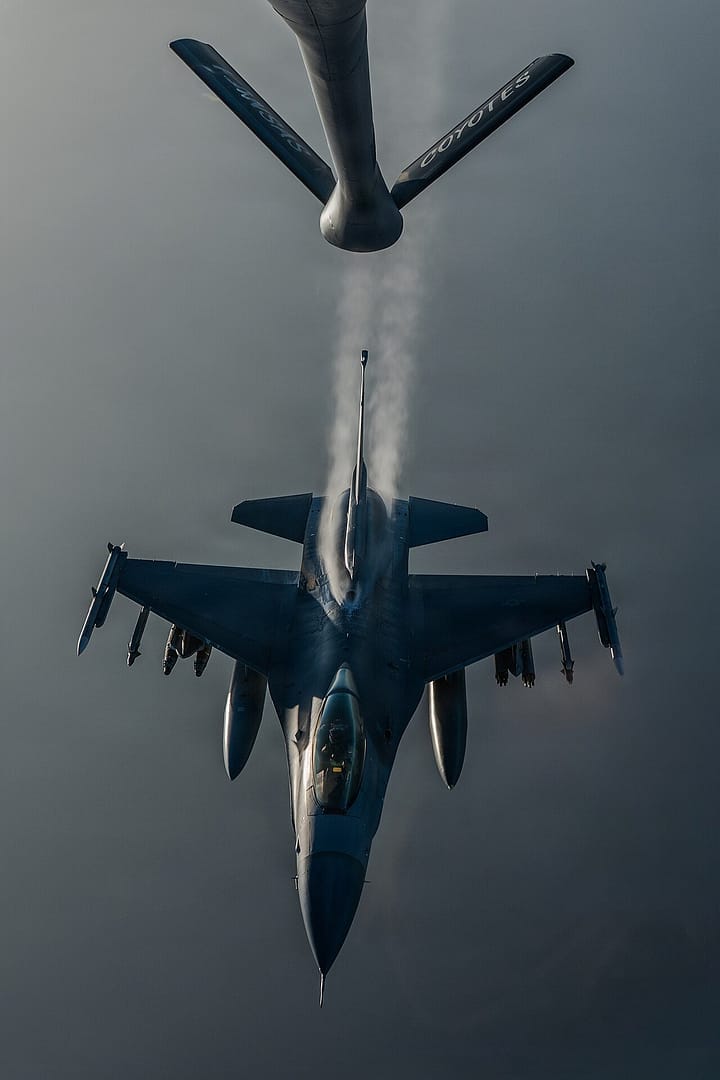
Une modeste base aérienne du sud-est de la Bulgarie est devenue le nouveau point de friction entre Téhéran et l'Occident — et la cause n'est ni un bombardier ni un avion de chasse furtif, mais une flotte de stations-service volantes vieillissantes.
Fin juillet 2026, le Parlement bulgare a approuvé l'accueil temporaire, du 24 juillet au 1er octobre, de huit avions ravitailleurs américains KC-135 Stratotanker et d'environ 250 militaires américains sur la base aérienne de Bezmer. La réaction de l'Iran a été immédiate. Pour la troisième fois, Téhéran a averti Sofia qu'il assumerait la responsabilité de cette décision.
Pourquoi les avions ravitailleurs, parmi tous les aéronefs, devraient provoquer un avertissement diplomatique est une question de portée — et de la façon dont même un avion de soutien non armé peut devenir un élément de l'échiquier géopolitique.
Informations clés
| Base | Base aérienne de Bezmer, Bulgarie |
| Aéronef | Jusqu'à 8 ravitailleurs américains KC-135 Stratotanker |
| Personnel | Environ 250 membres du personnel américain |
| Fenêtre | Du 24 juillet au 1er octobre 2026 |
| Autorisé par | Parlement bulgare |
| Réponse de l'Iran | Troisième avertissement officiel à Sofia |
| Les allégations de l'Iran | Les pays hôtes pourraient " subir des conséquences "." |
Pourquoi un pétrolier est un atout stratégique
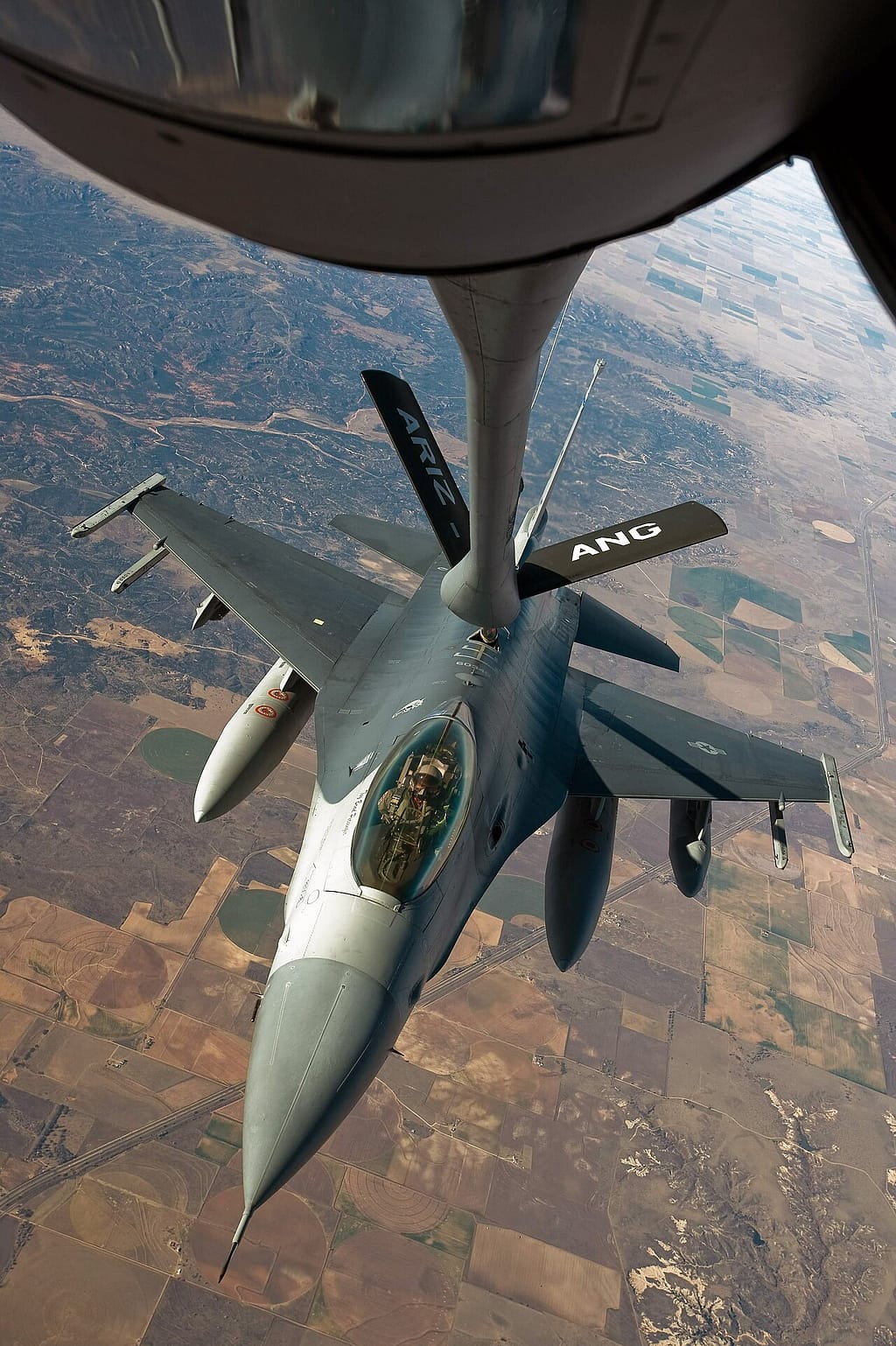
Un KC-135 ne transporte ni bombes ni missiles. Il transporte du carburant, et par conséquent, une autonomie accrue. Le ravitaillement en vol est un atout précieux et discret pour la puissance aérienne moderne : il permet aux chasseurs et aux bombardiers d'atteindre des cibles bien au-delà de leur rayon d'action habituel, de patrouiller plus longtemps et d'opérer depuis des bases qui, autrement, seraient trop éloignées pour avoir une réelle importance. Positionnez des avions ravitailleurs à portée d'une région, et chaque avion de combat à proximité voit soudainement son rayon d'action s'accroître.
C’est précisément pour cette raison que Téhéran les a pris pour cible. La Bulgarie se situe à portée pratique du Moyen-Orient, et les responsables iraniens interprètent le déploiement de ravitailleurs sur place comme un moyen d’étendre les opérations aériennes américaines vers l’Iran.
Avertissement de l'Iran
Le porte-parole du ministère iranien des Affaires étrangères, Esmaeil Baghaei, a présenté ce déploiement comme un acte rendant la Bulgarie complice d'éventuelles opérations américaines et a réaffirmé la position de Téhéran selon laquelle les pays autorisant des activités militaires américaines sur leur territoire s'exposent à des conséquences. Il s'agissait, de l'avis même de l'Iran, du troisième avertissement de ce type adressé à Sofia concernant la présence d'avions américains.
La position de la Bulgarie
La Bulgarie, membre de l'OTAN depuis 2004, présente ce déploiement comme une coopération alliée de routine : une décision souveraine, approuvée par son parlement, d'accueillir une présence aérienne tournante de son principal allié. Du point de vue de Sofia, le stationnement temporaire d'avions ravitailleurs alliés relève pleinement de ses droits et de ses engagements conventionnels.
L'Iran a étendu sa position au-delà de la Bulgarie : selon les médias d'État iraniens, Téhéran a également sollicité et obtenu des assurances de Chypre quant à la neutralité des bases militaires présentes sur l'île. Le message de Téhéran s'adresse à l'ensemble de la région, et non à une seule capitale.
Aucun coup de feu n'a été tiré, et il est peu probable qu'il le soit. Cet épisode illustre parfaitement le fonctionnement de la dissuasion moderne : une escadrille de pétroliers sans prestige, un vote parlementaire et un avertissement diplomatique peuvent bouleverser la donne stratégique dans toute une région, sans qu'une seule arme ne soit déployée.
Sources : Euronews ; Press TV ; Global Banking & Finance ; JNS ; Reuters.
0 commentaire