
En 1941, la plus grande star de cinéma à avoir porté l'uniforme ne fut pas envoyée tourner des films d'entraînement ni vendre des bons de guerre, bien que l'armée le souhaitât ardemment. James Stewart, tout juste auréolé d'un Oscar, voulait piloter des bombardiers au-dessus de l'Allemagne. Et il dut se battre contre ses propres supérieurs pour obtenir ce droit.
Ce qui suivit fut l'un des récits de guerre les plus discrètement remarquables de l'histoire d'Hollywood : une vingtaine de missions de combat au-dessus de l'Europe occupée, une ascension de simple soldat à colonel et un refus catégorique, tout au long de sa vie, d'en parler.
Informations clés
- OMS: James " Jimmy " Stewart (1908-1997), star hollywoodienne et officier de bombardement de l'USAAF/USAF
- Avant la guerre : déjà lauréat de l'Oscar du meilleur acteur (The Philadelphia Story)
- Enrôlé : incorporés en mars 1941, avant l'entrée en guerre des États-Unis
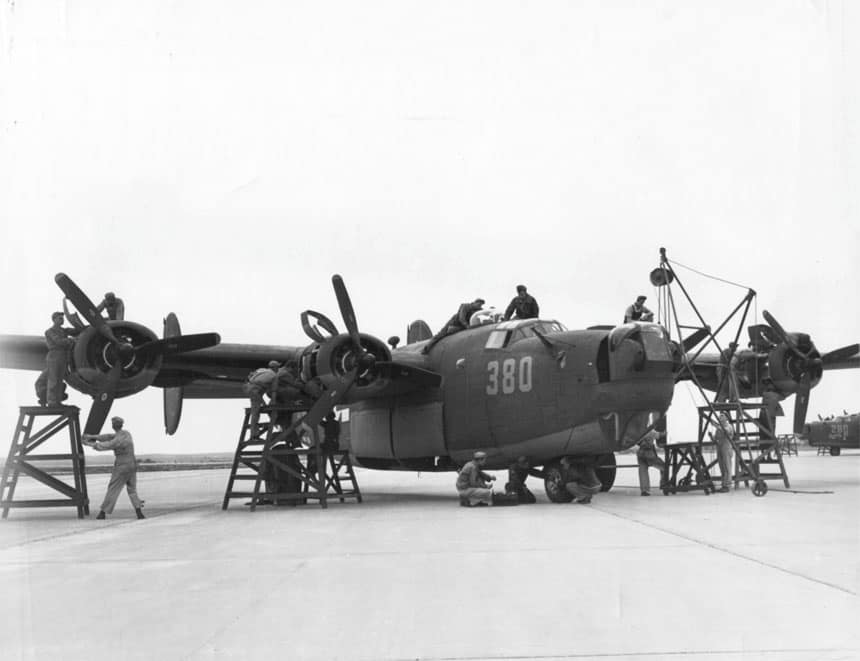
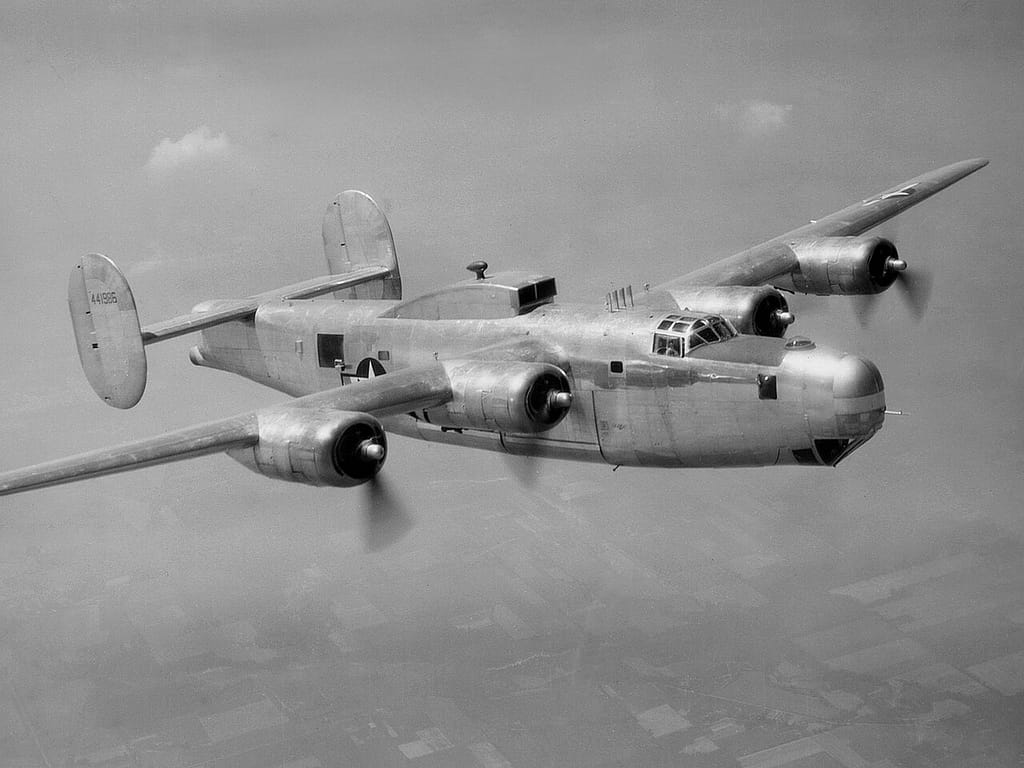
- Aéronef: Bombardier lourd B-24 Liberator
- Unités : 445e puis 453e groupes de bombardement, Huitième Air Force, Angleterre
- Combat: Environ 20 missions au-dessus de l'Europe occupée ; promu colonel en 1945
- Plus tard: Général de brigade de réserve de l'USAF ; décoré de la Distinguished Flying Cross
La star qui voulait se battre
Issu d'une famille de militaires, Stewart était déjà pilote breveté lorsqu'il s'engagea en mars 1941. L'Armée de l'Air américaine, consciente de son potentiel publicitaire inestimable, le maintint aux États-Unis comme instructeur. Stewart détestait cette situation. Il insista à plusieurs reprises pour être affecté à une unité de combat et, finalement, fin 1943, son vœu fut exaucé : il partit pour l'Angleterre comme commandant d'escadrille, aux commandes du bombardier quadrimoteur B-24 Liberator.
En tête
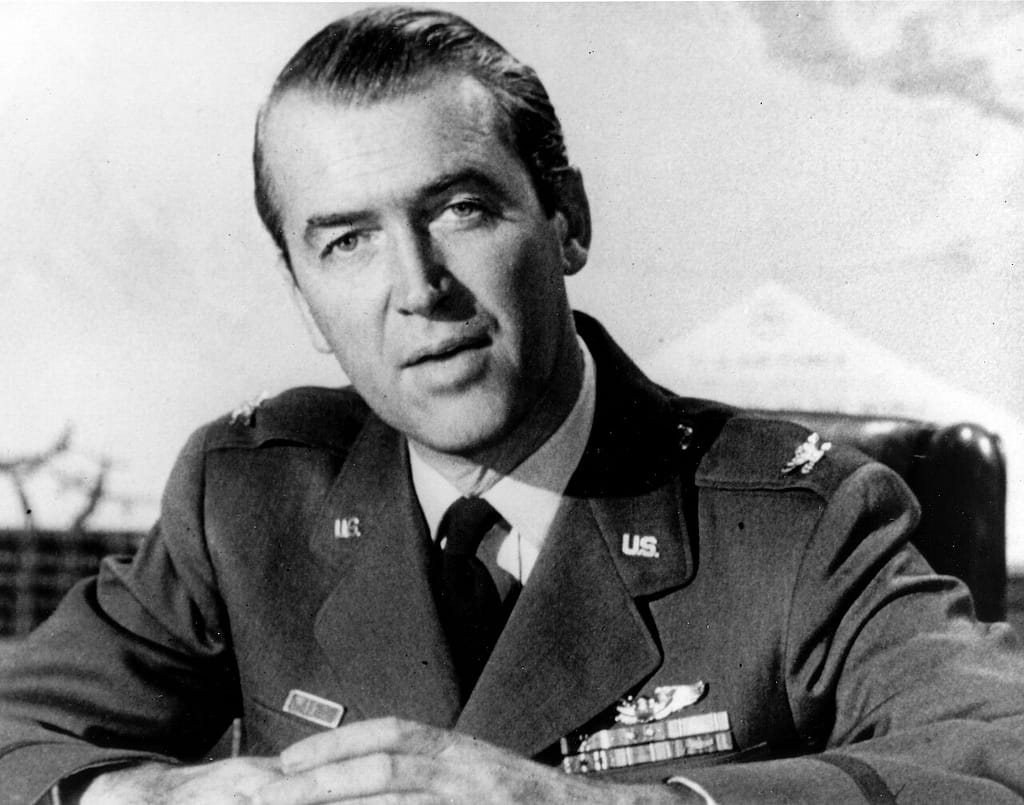
Stewart a volé comme pilote de tête et commandant lors de missions en profondeur en Allemagne – le rôle le plus dangereux au sein de la formation, où l'avion de tête essuyait le feu nourri de la DCA et des chasseurs. Il refusait de choisir des cibles faciles, estimant qu'il n'avait pas le droit d'envoyer ses équipages là où il n'irait pas lui-même. Promu au mérite, il atteignit le grade de colonel à la fin de la guerre et fut décoré de la Distinguished Flying Cross et de l'Air Medal.
Il mena également un combat plus discret : tenir les caméras à distance. Stewart insistait pour que la presse reste loin de sa base, ne cédant que lorsqu’on lui fit remarquer qu’il privait ses aviateurs de la couverture médiatique locale qu’ils méritaient. Il voulait être jugé comme un officier, et non comme une célébrité – et de l’avis général, il l’était.
Le silence qui suivit
Stewart rentra chez lui, reprit le cinéma et n'évoqua presque plus jamais la guerre ; ses propres enfants n'en savaient presque rien. Il resta dans la réserve de l'armée de l'air, obtint finalement le grade de général de brigade et, en 1966, participa même à une mission de bombardement à bord d'un B-52 au-dessus du Vietnam en tant qu'observateur non officiel. L'homme que l'Amérique connaissait comme l'homme ordinaire du cinéma avait, dans la réalité, été un véritable chef de guerre – et était bien trop modeste pour jamais le dire.
Sources : Wikipédia ; Air & Space Forces Magazine ; National Aviation Hall of Fame.
Articles similaires
Un deuxième B-52 prend le relais pour les essais radar problématiques
0 commentaire