
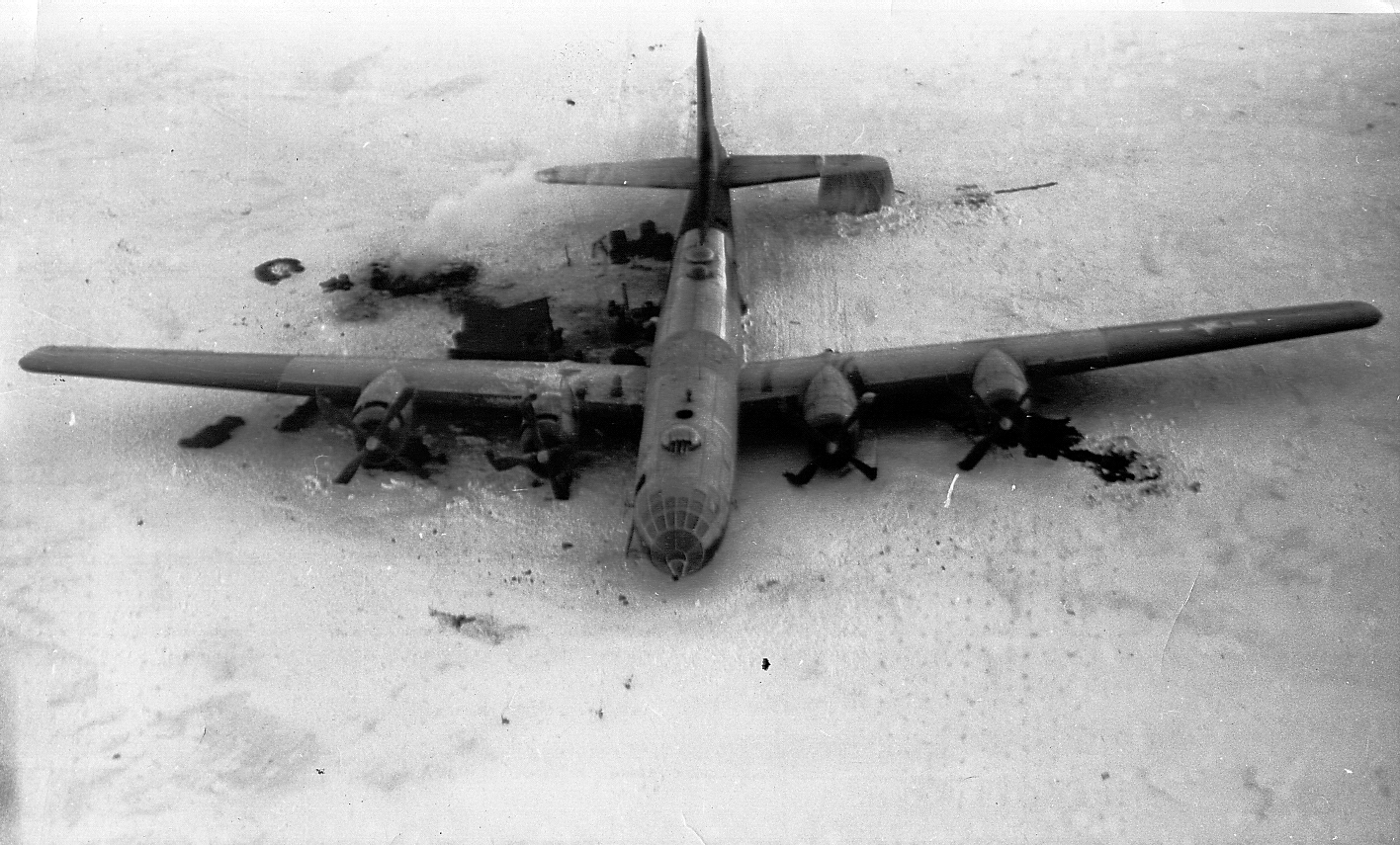
Le 21 mai 1995, sur un lac gelé à 450 kilomètres au nord de Thulé, au Groenland, un bombardier B-29 Superfortress, immobilisé depuis quarante-huit ans, se posa par ses propres moyens sur sa piste de glace improvisée. Ses quatre moteurs, remis à neuf, tournaient au quart de tour. Un demi-siècle d'exil arctique allait prendre fin dans la plus romantique des opérations de récupération d'un avion de guerre jamais tentée.
Quelques minutes plus tard, le Kee Bird était en flammes. L'histoire de son arrivée jusqu'à ce lac, de la façon dont une équipe d'ingénieurs chevronnés a failli la sortir de l'eau, et de la façon dont tout s'est désintégré dans les cent derniers mètres, est l'une des plus grandes tragédies de l'aviation.
Informations rapides : L’oiseau Kee
| Aéronef | Boeing B-29-95-BW Superfortress, numéro de série 45-21768, 46e escadron de reconnaissance |
| Perdu | 21 février 1947 — Atterrissage sur le ventre sur un lac gelé du nord-ouest du Groenland après qu'une mission de navigation polaire se soit égarée. |
| Équipage | Onze hommes, tous secourus après trois jours passés sur la glace |
| tentative de récupération | 1994-1995, sous la direction du pilote d'essai et de course aérienne Darryl Greenamyer |
| La fin | 21 mai 1995 — Incendie du groupe auxiliaire de puissance (APU) pendant le roulage ; cellule détruite |
| Documenté dans | “ B-29 figé dans le temps ” de NOVA (PBS, 1996) |
Trois jours au sommet du monde
La guerre du Kee Bird était la Guerre froide, et son champ de bataille, le désert. Volant en mission secrète de reconnaissance pour le projet Nanook depuis Ladd Field, en Alaska, son équipage décolla le 20 février 1947 en direction du pôle Nord – et se retrouva plongé dans une nuit polaire qui les empêcha de se repérer. Perdu, à court de carburant, signalant par radio “ quatre minutes de carburant ” alors que les réservoirs se vidaient, le lieutenant Vern Arnett, le pilote, posa l'appareil train rentré sur un lac gelé anonyme. L'atterrissage fut si doux que le bombardier fut à peine égratigné.
Les onze hommes survécurent trois jours à -40 °C avant d'être secourus par un C-54 équipé de skis et d'un système JATO. L'US Air Force déclara l'appareil irréparable, et le « Kee Bird » entama sa seconde carrière : celui de B-29 le mieux conservé au monde, stationné seul au sommet du globe.
Le sauvetage impossible
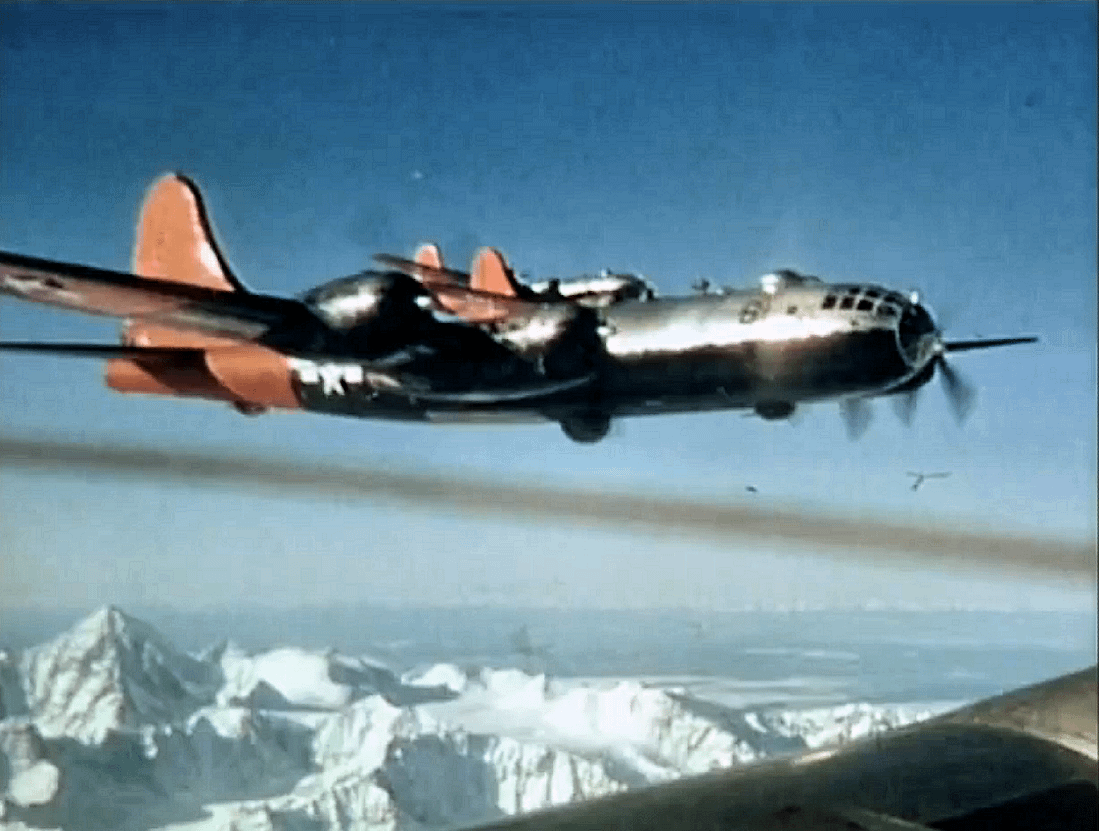
Enter Darryl Greenamyer: SR-71 test pilot, Reno air-race legend, world speed-record holder — and a man constitutionally incapable of leaving a flyable B-29 in the ice. In July 1994 his team flew into the lake aboard a Caribou bush transport carrying, among other things, four remanufactured engines, new propellers, tires and a small bulldozer. The plan was gloriously simple: fix her on the spot, carve a runway from the ice, and fly her to Thule.
L'Arctique leur fit payer chaque boulon. La saison 1994 s'acheva par un repli hivernal ; pire encore, le mécanicien de bord Rick Kriege tomba gravement malade sur place et mourut peu après l'évacuation – une tragédie silencieuse pour le projet, évoquée dans le documentaire de NOVA par les hommes qui travaillaient à ses côtés. En mai 1995, l'équipe revint, termina les moteurs et fit rouler l'avion hors de la zone.
À cent mètres de l'histoire
Alors qu'ils se dirigeaient vers la position de décollage, le groupe auxiliaire de puissance, bricolé à l'arrière du fuselage, se détacha de son support. Du carburant se répandit sur le bloc brûlant et s'enflamma. Sans système d'extinction d'incendie dans une cellule pleine de carburant frais, l'équipage ne put que se sauver lui-même – un membre d'équipage s'en sortit avec des brûlures et une intoxication par la fumée – et assister impuissant à la destruction par les flammes de cinquante années de survie et de deux années de travail acharné, jusqu'aux longerons de l'aile.
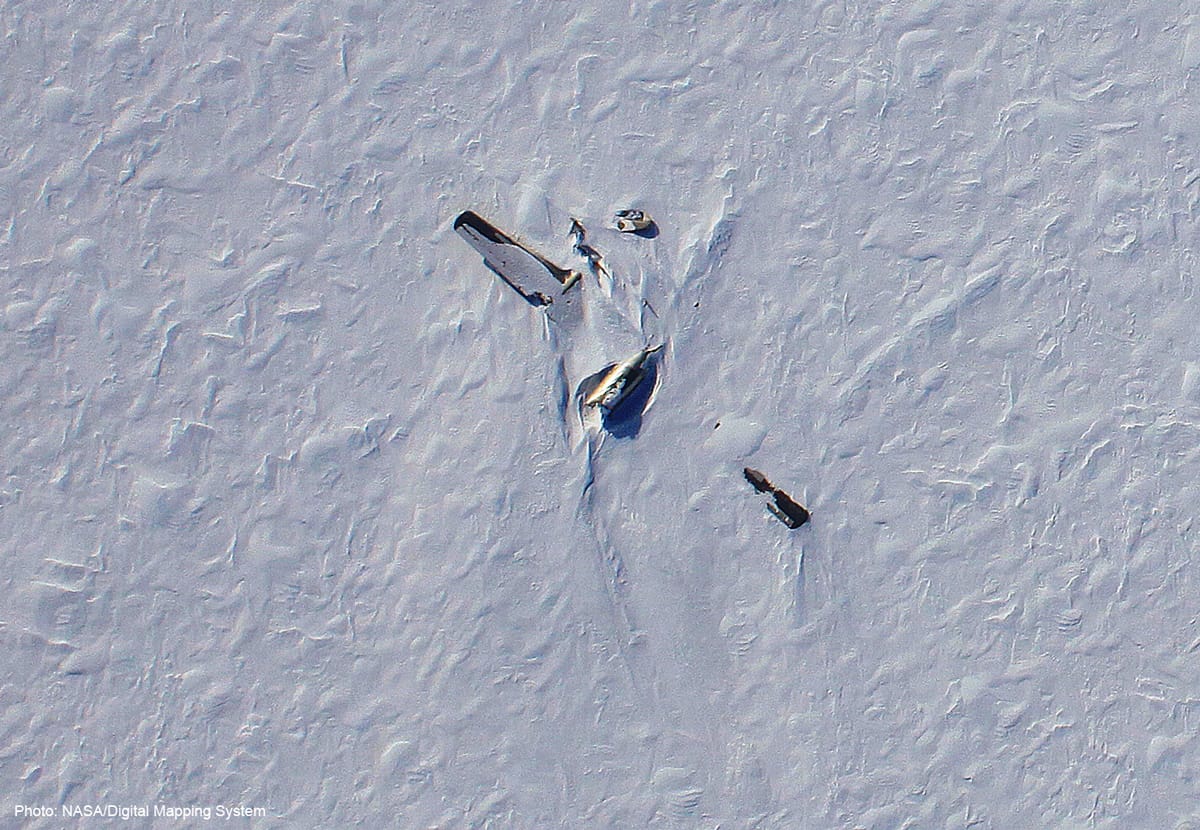
L'épave repose toujours sur le lac — brisée, noircie, photographiée par un avion de reconnaissance de la NASA et servant de point de repère. Sur les près de quatre mille B-29 construits, seuls deux volent aujourd'hui : FIFI, de nouveau en service depuis mi-2025 après des travaux sur son moteur, et Doc, en tournée depuis 2016. Il y en avait presque un troisième.
Le documentaire complet de NOVA — l'un des meilleurs films sur l'aviation jamais réalisés — est disponible sur la chaîne officielle de PBS :
Un récit plus court de toute l'histoire, avec des images de l'expédition :
Sources : PBS NOVA (“ B-29 Frozen in Time ”, transcription) ; HistoryNet ; Vintage Aviation News ; Observatoire de la Terre de la NASA ; Commemorative Air Force ; Wikipédia
Questions connexes
Qu'était-ce que le Kee Bird ?
Le « Kee Bird » était un Boeing B-29 Superfortress (numéro de série 45-21768) qui effectua un atterrissage sur le ventre sur un lac gelé du nord-ouest du Groenland en février 1947, après qu'une mission de navigation polaire eut mal tourné. Les onze membres d'équipage furent secourus et le bombardier, quasiment intact, resta préservé sur la glace pendant près de cinquante ans.
Pourquoi l'oiseau Kee s'est-il posé au Groenland ?
Le 20 février 1947, lors d'une mission de reconnaissance secrète du projet Nanook entre l'Alaska et le pôle Nord, l'équipage se perdit dans la nuit polaire et se retrouva à court de carburant. Le lieutenant Vern Arnett, pilote, posa le B-29 train rentré sur un lac gelé anonyme avec une telle douceur que le bombardier fut à peine égratigné.
Qu’est-il advenu de la tentative de récupération de l’oiseau Kee ?
En 1994-1995, une équipe dirigée par le pilote d'essai et de course Darryl Greenamyer tenta de remettre en état le B-29 et de le faire voler à nouveau. Le 21 mai 1995, les moteurs reconstruits fonctionnèrent et le bombardier roula sur la piste par ses propres moyens, mais un incendie se déclara dans le réservoir du groupe auxiliaire de puissance pendant le roulage et détruisit la cellule en quelques minutes.
Qu'était-ce que le B-29 Superfortress ?
Le B-29 était le bombardier lourd américain le plus avancé de la Seconde Guerre mondiale, un appareil pressurisé à long rayon d'action surtout connu pour ses missions atomiques au-dessus du Japon. Après la guerre, il effectua de périlleuses missions de reconnaissance pendant la Guerre froide, un rôle repris par des vols espions ultérieurs tels que le Missions C-130 Furet.
Y a-t-il eu des morts lors des incidents impliquant Kee Bird ?
Dans les deux cas, personne n'est mort. Les onze membres d'équipage d'origine ont survécu trois jours à -40 °C en 1947 avant d'être secourus par un C-54 équipé de skis, et l'équipe de récupération de 1995 a échappé indemne au bombardier en flammes.
Pourquoi l'oiseau de Kee était-il si bien conservé ?
Le climat arctique sec et glacial du Groenland, combiné à un atterrissage en douceur sur le ventre, a permis de conserver le bombardier presque intact, ce qui en fait l'un des B-29 les mieux préservés au monde – et c'est précisément pourquoi il est devenu un trophée si tentant pour les restaurateurs d'avions de guerre.

0 commentaire