
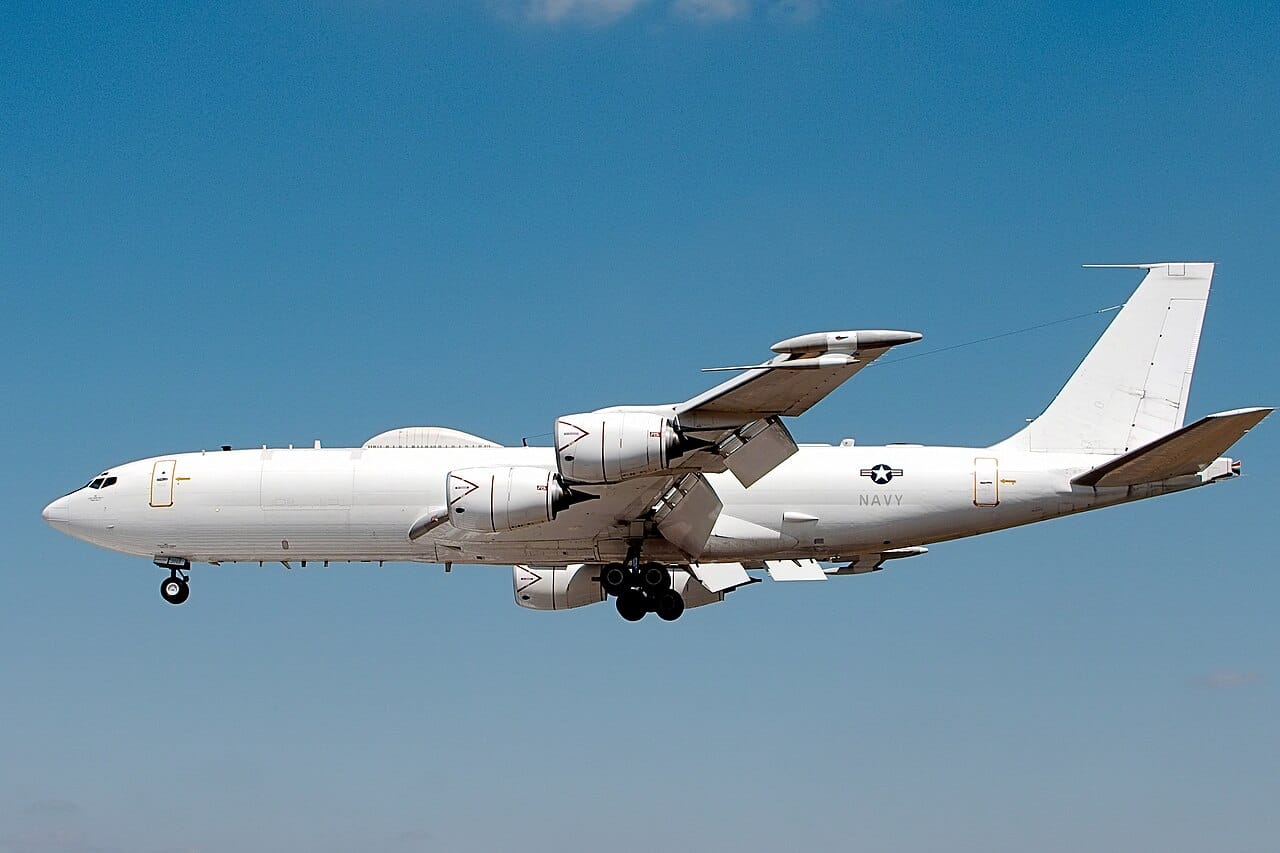
Il existe un avion que les États-Unis espèrent ne jamais avoir à utiliser pour sa véritable mission : celui qui transmettrait l’ordre de lancement de missiles nucléaires depuis les sous-marins américains. Son remplaçant accuse désormais un retard considérable, et l’organisme de surveillance gouvernemental qui avait lancé l’alerte affirme que ses craintes “ se sont avérées fondées ”.”
L'appareil est l'E-130J Phoenix II, le prochain “ avion de l'apocalypse ” de la Marine. Il est destiné à prendre en charge l'une des missions les plus sensibles de tout l'arsenal, et actuellement, son développement prend du retard.
| Aéronef | E-130J Phoenix II (TACAMO de la marine américaine) |
| Constructeur | Northrop Grumman, à propos du C-130J-30 Hercules |
| Emploi | Relais des ordres de lancement vers les sous-marins lanceurs de missiles balistiques immergés |
| Remplace | Boeing E-6B Mercury vieillissant |
| Statut | La décision de production a été reportée d'environ un an (GAO). |
Prenez les choses en main et déménagez
La mission porte l'un des plus célèbres acronymes militaires : TACAMO, pour “ Prendre les commandes et se déployer ”. Un avion TACAMO est une station radio volante de dernier recours. Déployant une antenne filaire de plusieurs kilomètres, il peut transmettre un message à un sous-marin lanceur de missiles balistiques dissimulé dans les profondeurs océaniques – y compris, en cas de catastrophe absolue, l'ordre de lancement. Il constitue un maillon essentiel de la chaîne de commandement nucléaire, conçu pour rester opérationnel même lorsque toutes les forces terrestres sont hors service.
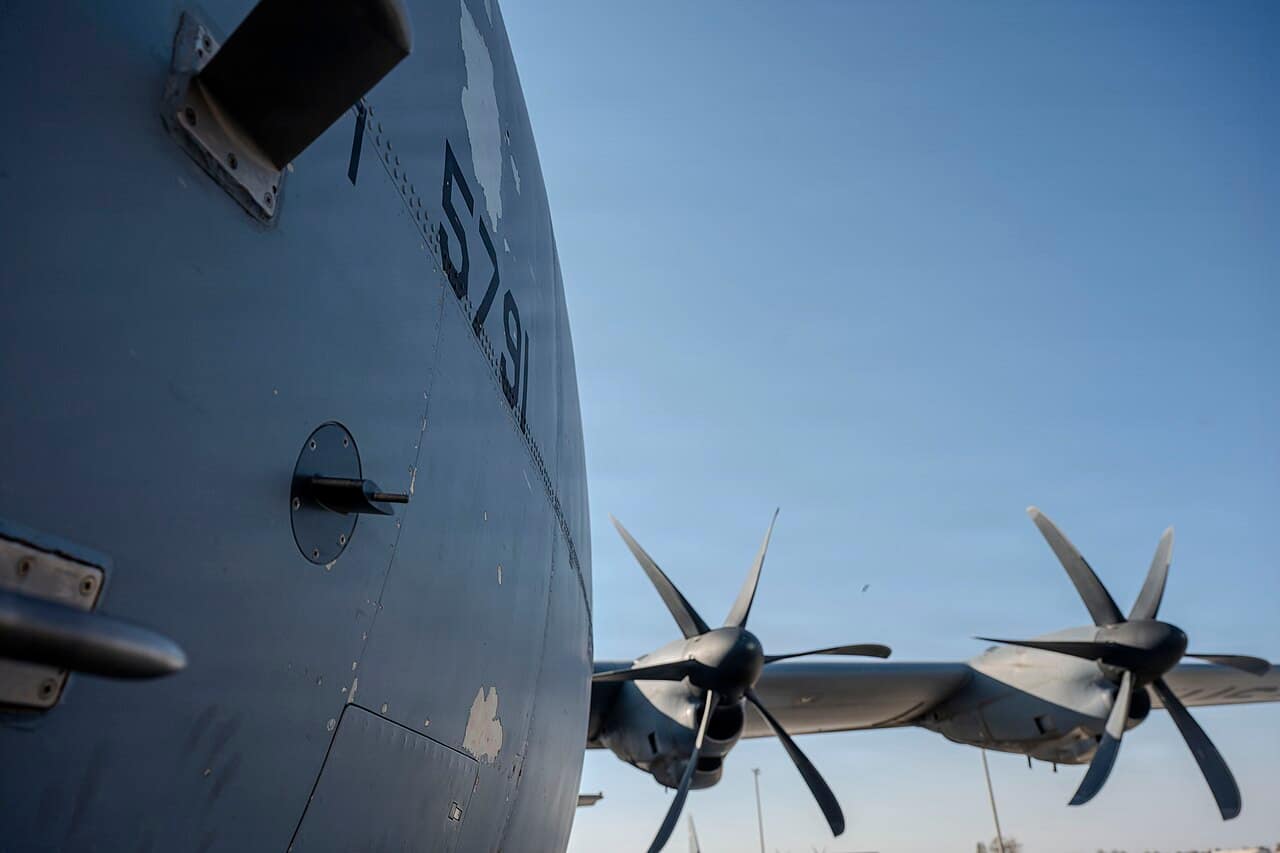
Aujourd'hui, cette mission est assurée par le Boeing E-6B Mercury, une version militarisée du 707, entré en service il y a plusieurs décennies. Ces avions sont vieillissants et la Marine souhaite les remplacer. C'est là qu'intervient l'E-130J : un Hercules turbopropulseur doté des mêmes équipements de mission, construit par Northrop Grumman pour assurer la continuité du programme TACAMO durant la seconde moitié du siècle.
L'avertissement du chien de garde se réalise
Voici le problème. Le Bureau de la responsabilité gouvernementale (GAO) avait déjà signalé des risques liés à ce programme l'an dernier, et son dernier rapport indique que ces risques ne sont pas restés théoriques. La décision de lancer une production à faible cadence a déjà été reportée d'environ un an, car l'intégration de systèmes de mission lourds dans un Hercules s'est heurtée à des difficultés.
L'an dernier, le GAO était allé plus loin, remettant ouvertement en question la pertinence du C-130J-30 pour cette mission et prévenant qu'il pourrait “ ne pas répondre aux exigences de disponibilité opérationnelle ”. Les ingénieurs travaillent actuellement à alléger l'équipement de mission pour qu'il puisse être intégré – une modification précisément jugée nécessaire par une évaluation indépendante.
Pourquoi un retard est important
Les retards sur la plupart des programmes aéronautiques sont un véritable casse-tête comptable. Ceux de ce projet sont différents, car la flotte d'E-6B qu'il est censé remplacer vieillit et devient de plus en plus difficile à maintenir en service. Solliciter excessivement ces vieux appareils risque de créer une interruption dans l'une des rares missions qui ne peuvent véritablement pas échouer. L'objectif premier de cet avion de dernier recours est d'être opérationnel le jour du pire – c'est précisément pourquoi un an de retard mérite toute notre attention dès maintenant, bien avant que ce jour ne survienne.
Sources : The War Zone ; Breaking Defense ; US Government Accountability Office ; NAVAIR.
Questions connexes
Qu'est-ce que le E-130J Phoenix II ?
L'E-130J Phoenix II est le prochain avion de combat de l'US Navy, construit par Northrop Grumman sur la base du C-130J-30 Hercules. Sa mission consiste à transmettre les ordres de lancement aux sous-marins lanceurs de missiles balistiques américains, l'une des missions les plus sensibles de l'arsenal nucléaire américain. Il est conçu pour remplacer les Boeing E-6B Mercury, désormais vieillissants.
Que signifie TACAMA ?
TACAMO signifie ' Prendre les commandes et se déployer ', la mission d'une station radio aéroportée de dernier recours. Un avion TACAMO traîne une antenne filaire sur des kilomètres pour transmettre des ordres aux sous-marins immergés. C'est un élément fondamental du commandement et du contrôle nucléaires, la liaison aérienne qui acheminerait l'ordre de lancement, faisant écho aux thèmes explorés dans la machinerie du commandement nucléaire.
Pourquoi le programme E-130J est-il retardé ?
La décision de lancer la production en série à faible cadence de l'E-130J a été reportée d'environ un an, selon le Bureau de la responsabilité gouvernementale des États-Unis (GAO). Le GAO avait signalé des risques en 2024, et son rapport ultérieur indiquait que ces risques s'étaient concrétisés, les ingénieurs s'efforçant d'intégrer des systèmes de mission lourds dans la cellule de l'Hercules, des problèmes d'intégration qui ont repoussé le calendrier.
Quel type d'avion l'E-130J remplace-t-il ?
L'E-130J Phoenix II est destiné à remplacer le Boeing E-6B Mercury, l'appareil TACAMO vieillissant actuellement en service dans l'US Navy. L'E-6B assure la mission de communication avec les sous-marins depuis des décennies, et le passage à une plateforme dérivée du C-130J vise à maintenir cette capacité jusqu'à la seconde moitié du siècle, bien que des retards aient compliqué la transition.
Comment un avion TACAMO communique-t-il avec les sous-marins ?
Un avion TACAMO communique avec les sous-marins immergés en traînant une antenne filaire de très longue longueur, s'étendant sur plusieurs kilomètres, afin de transmettre des signaux radio à très basse fréquence capables de pénétrer l'eau de mer. Ceci permet aux sous-marins lanceurs d'engins balistiques immergés en grande profondeur de recevoir des ordres de lancement sans avoir à faire surface, préservant ainsi leur furtivité et la capacité de dissuasion nucléaire.
Qu'est-ce qu'un ' avion de l'apocalypse ' ?
Un ' avion de l'apocalypse ' est un aéronef conçu pour assurer la continuité du commandement et du contrôle national lors d'une crise nucléaire. Le rôle de l'E-130J est de relayer les ordres de lancement aux sous-marins ; il est construit sur la base du C-130 Hercules, un appareil polyvalent et robuste, appartenant à la même famille d'avions de transport que celle utilisée dans des projets tels que… Transports de nouvelle génération conçus pour atterrir sur des chemins de terre.
0 commentaire