

A World Cup is, among many other things, an enormous logistics problem with a ball in the middle of it. The 2026 edition — the first hosted jointly by the United States, Canada and Mexico, spread across 16 cities and three countries — is the largest in history, and getting the fans to the fixtures has become one of the busiest summers commercial aviation has ever seen.
By the time the final kicks off at New Jersey’s MetLife Stadium on Jul. 19, 2026, an estimated five million-plus people will have flown across North America to follow their teams. For airlines, that is not a headache. It is a once-in-a-generation windfall — if they can find the aircraft to catch it.
• Événement: Coupe du Monde de la FIFA 2026, États-Unis, Canada et Mexique
• Villes hôtes : 16 dans trois pays
• Final: 19 juillet 2026, MetLife Stadium, New Jersey
• Voyageurs aériens attendus : plus de 5 millions à travers l'Amérique du Nord
• Tarifs aériens affaires vers les villes hôtes : Le taux serait d'environ 42%.
• Réponse de la compagnie aérienne : Des avions plus gros, de nouveaux vols directs, des fréquences supplémentaires
Un choc de demande avec une date limite
Most travel surges build slowly. This one has a fixture list. Matchdays create sharp, predictable spikes between specific city pairs — and because the tournament sprawls across a continent, fans don’t just fly in once; they hop from host city to host city as their team advances. That turns a single event into weeks of rolling, criss-crossing demand.
La hausse des prix a été brutale. Les tarifs en classe affaires vers les villes hôtes auraient bondi d'environ 421 000 $ et les analystes ont mis en lumière une réalité dérangeante : cette demande importante n'est pas accompagnée d'une augmentation équivalente du nombre de sièges disponibles. En pleine saison estivale dans l'hémisphère nord, les ressources en avions, en équipages et en créneaux horaires sont limitées.

Comment les compagnies aériennes réagissent
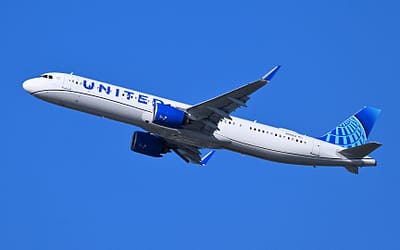
La réaction a été une véritable course contre la montre dans tout le secteur. Les compagnies aériennes actionnent trois leviers simultanément : elles remplacent les avions existants par des appareils plus gros, augmentent la fréquence des vols et lancent de nouvelles liaisons directes à destination des villes hôtes. American Airlines, United Airlines, Air Canada, Aeromexico, Volaris, LATAM Airways, Qatar Airways et GOL figurent parmi les compagnies qui profitent pleinement de cette croissance.
Air Canada is a good example of the playbook: it is raising its Mexico capacity by roughly 18% for the summer 2026 season and adding a year-round Montreal–Guadalajara link. Mexican carriers Aeromexico and Volaris are bracing for their own passenger surges, while long-haul airlines from Europe, South America and the Gulf are funnelling fans across the Atlantic and beyond.
A spotter’s summer
For the aviation enthusiast, all of this has a delicious side effect. When demand spikes and airlines reach for whatever metal they can find, unusual aircraft show up on unusual routes — widebodies on sectors that normally see single-aisles, charter fleets pressed into service, and one-off nonstops that exist for exactly a few weeks and then vanish.
The football will decide who lifts the trophy on Jul. 19. But behind every packed stadium is an equally packed departure hall, and a fleet-planning puzzle solved in real time. For once, the most crowded place at the World Cup might not be the stands — it might be the sky above them.
Sources : Travel And Tour World ; Luxury Travel Advisor ; AOL ; OAG Schedules Analyser.
Questions connexes
Pourquoi la Coupe du monde 2026 provoque-t-elle une pénurie de capacités aériennes ?
La Coupe du Monde de la FIFA 2026, organisée conjointement par les États-Unis, le Canada et le Mexique dans 16 villes, devrait générer plus de 5 millions de déplacements aériens en Amérique du Nord. Les jours de match entraînent des pics d'affluence importants et prévisibles entre les villes hôtes, et les supporters se déplacent d'une ville à l'autre au gré des matchs de leurs équipes, transformant ainsi un événement en une demande continue sur plusieurs semaines, dépassant largement l'offre de places disponibles.
De combien les prix des billets d'avion ont-ils augmenté pour la Coupe du monde 2026 ?
Les tarifs de la classe affaires pour les villes hôtes de la Coupe du monde 2026 auraient bondi d'environ 421 000 billets pour 3 000 personnes. Les analystes notent que cette demande arrive en grande partie sans augmentation correspondante du nombre de sièges disponibles dans les avions : le nombre d'avions, d'équipages et de créneaux horaires aéroportuaires étant limité pendant la haute saison estivale dans l'hémisphère nord, les prix ont explosé sur les liaisons les plus fréquentées pendant le tournoi.
Quand et où se déroulera la finale de la Coupe du monde 2026 ?
La finale de la Coupe du Monde de la FIFA 2026 est prévue le 19 juillet 2026 au MetLife Stadium du New Jersey. Elle marquera l'apogée de la plus grande Coupe du Monde de l'histoire, la première organisée conjointement par trois nations dans 16 villes hôtes, ce qui explique en partie les difficultés logistiques liées au transport aérien.
Quelles compagnies aériennes augmentent leurs capacités pour la Coupe du monde 2026 ?
Parmi les compagnies aériennes qui profitent de cet essor, on retrouve American Airlines, United Airlines, Air Canada, Aeromexico, Volaris, LATAM Airways, Qatar Airways et GOL. Air Canada augmente sa capacité vers le Mexique d'environ 181 000 tonnes pour l'été 2026 et ajoute une liaison annuelle Montréal-Guadalajara. De leur côté, les compagnies aériennes européennes, sud-américaines et du Golfe proposent des vols transatlantiques supplémentaires et de nouveaux vols directs.
Pourquoi les passionnés d'aviation adorent-ils les pics de trafic aérien lors des grands événements ?
Lorsque la demande explose et que les compagnies aériennes s'emparent de tous les appareils disponibles, des avions inhabituels apparaissent sur des lignes inhabituelles : des gros-porteurs sur des segments normalement assurés par des monocouloirs, des flottes charters mises en service et des vols directs ponctuels qui durent quelques semaines avant de disparaître. Les très longs gros-porteurs comme le Airbus A350-1000 montrer à quel point un avion de ligne moderne peut désormais étendre son trajet.
Qu’est-ce qui explique la demande accrue sur les liaisons long-courriers en 2026 ?
Au-delà de la Coupe du monde, les compagnies aériennes continuent d'ouvrir de nouvelles liaisons long-courriers entre villes pour capter le trafic croissant, par exemple. Service de Batik Air entre Kuala Lumpur et Sydney. Les grands événements sportifs amplifient ce phénomène en concentrant les voyageurs internationaux sur des itinéraires spécifiques pendant quelques semaines, ce qui pousse les compagnies aériennes à utiliser des avions plus gros et à ajouter des vols directs temporaires.

0 commentaire