
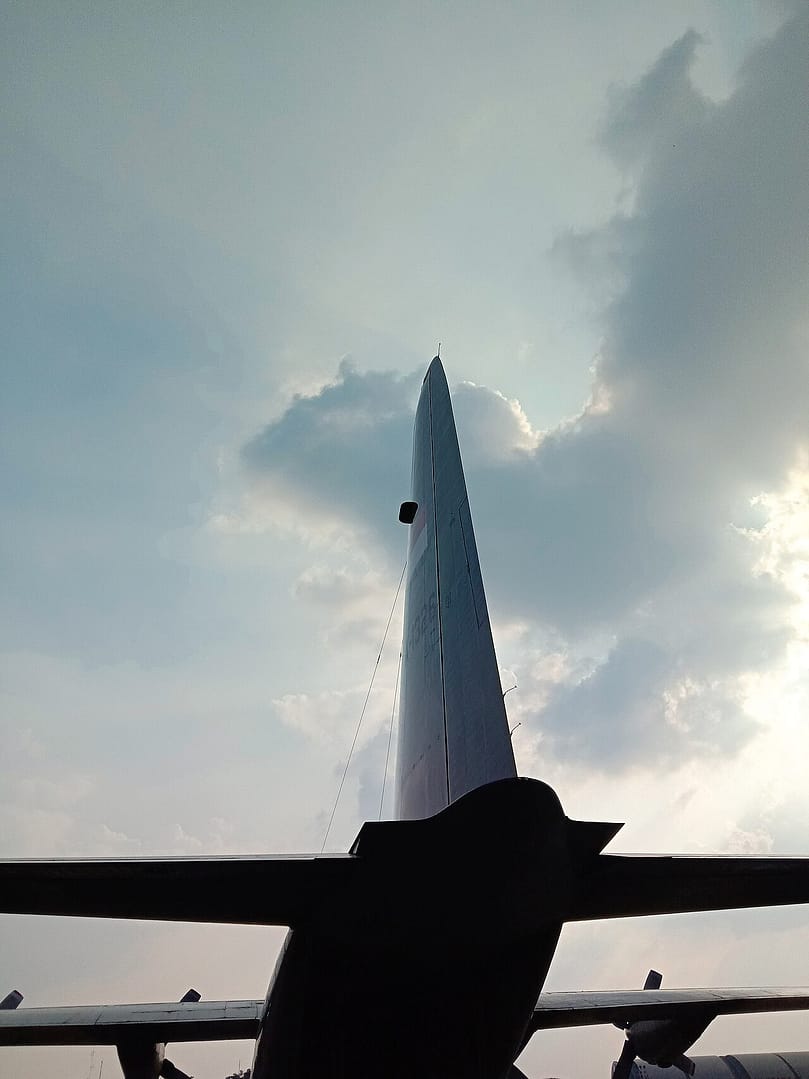
As choking smoke spreads over Borneo, Indonesia is fighting fire with the weather itself. On Aug. 21, 2026, five more Indonesian Air Force aircraft lifted off from Abdulrachman Saleh Air Base in Malang, bound for the burning provinces of West and East Kalimantan. Their payload was not bombs or bullets, but salt and silver iodide, chemicals meant to squeeze rain out of the sky.
The five planes joined a remarkable aerial armada: 52 aircraft now flying against the flames across six provinces of Sumatra and Kalimantan. It is one of the largest firefighting air operations Indonesia has ever mounted, and much of it is aimed not at the fires directly, but at the clouds above them.
Quick Facts: Indonesia’s Fire-Fighting Air Fleet
- New deployment: Five TNI AU aircraft, Aug. 21, 2026
- Total fleet: 52 aircraft across six provinces
- Split: 30 in Kalimantan, 22 in Sumatra
- Missions: Patrol, weather modification and water bombing
- Method: Cloud seeding with silver iodide and salt
- Driver: A severe, El Niño-fuelled fire season
A 52-aircraft campaign against fire
The reinforcements were announced by Cabinet Secretary Teddy Indra Wijaya, who said the new aircraft would bolster the fleet already operated by the National Disaster Mitigation Agency (BNPB). More planes are on standby at Halim Perdanakusuma Airport in Jakarta, ready to move as conditions shift.
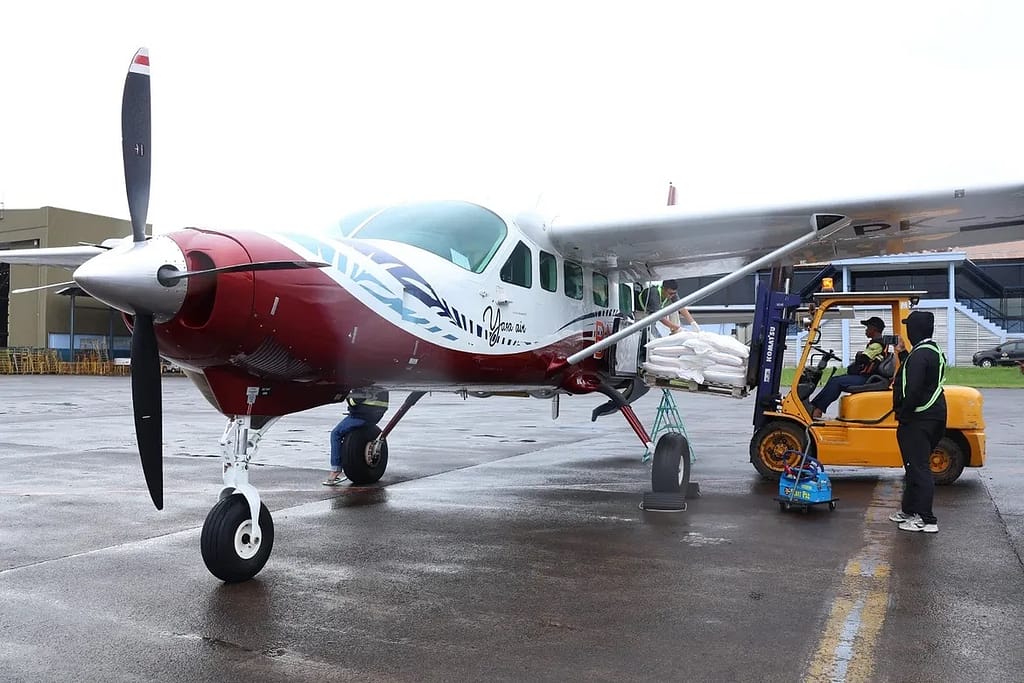
Of the 52 aircraft in the fight, 30 are working over Kalimantan and 22 over Sumatra, a mix of fixed-wing planes and helicopters flying patrol, water-bombing and cloud-seeding sorties. On the days around the new deployment, military and BNPB crews ran joint water-bombing runs against the worst hotspots.
Making it rain
Cloud seeding works by dispersing tiny particles, usually silver iodide or salt, into promising clouds. The particles mimic natural ice crystals, giving water vapour something to condense around until droplets grow heavy enough to fall as rain. It is rarely used against wildfires anywhere in the world, but Indonesia has embraced it: the country ran 252 cloud-seeding operations between 2021 and August 2026, up from just 85 in the entire preceding decade, according to the BMKG weather agency.
The results are measured in millions of cubic metres of water. In West Kalimantan, seeding flights between Aug. 13 and 17 flew nine sorties and were credited with an estimated 10.9 million cubic metres of rainfall; in Central Kalimantan, earlier operations added several million more. Against a fire season that has already burned well over 100,000 hectares, every extra downpour counts.
Why it matters
Indonesia’s fires are not only a domestic emergency. The haze they generate drifts across borders into Malaysia and Singapore, shutting schools and grounding flights, and the smoke is a serious public-health hazard for millions. Turning transport planes into rainmakers is an unusual, imperfect tool, but for a nation ringed by fire and smoke, it is one more way to fight back from the air.
Sources: Independent Observer (ObserverID), ANTARA News, AFP, BMKG.

0 Comments