
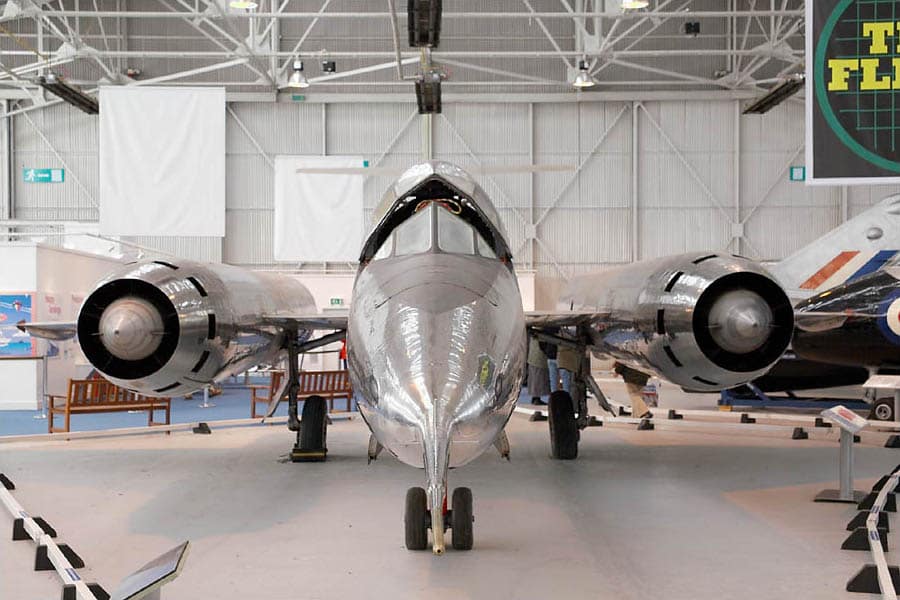
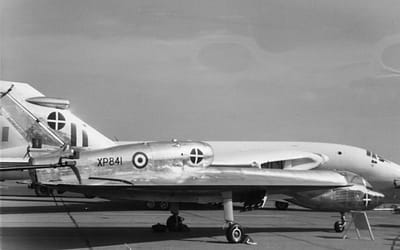
On the ground it gleamed like cutlery. Long, thin and unpainted, its polished skin caught the Filton light, and its shape earned it a nickname that stuck for life: the Flaming Pencil. The Bristol 188 was Britain's bold, doomed attempt to fly through the thermal barrier.
The problem it chased was heat. Past Mach 2, friction with the air cooks an airframe until ordinary aluminium softens. To survive it, Bristol did something almost nobody had tried: it welded the fuselage from stainless steel, using an exotic argon-shielded puddle-welding technique developed for the job.
INFORMAZIONI RAPIDE
| Tipo | Stainless-steel supersonic research aircraft |
| Primo volo | 14 April 1962 |
| Ruolo | Kinetic-heating and high-speed research |
| centrale elettrica | 2 x de Havilland Gyron Junior afterburning turbojets |
| Velocità massima | Mach 1.88 reached (Mach 2 goal) |
| Numero costruito | 3 (2 flightworthy) |
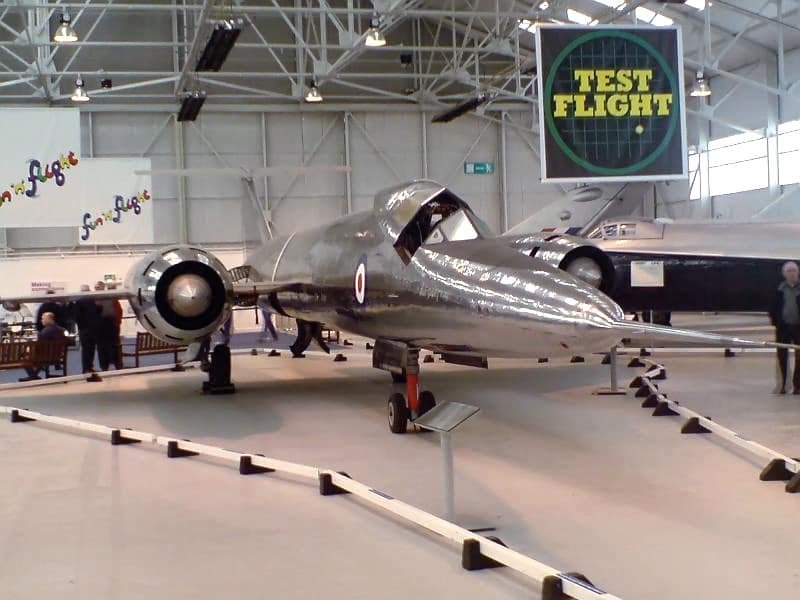
| Destino | Cancelled 1964; XF926 preserved at RAF Museum Cosford |
Built to soak in heat
The idea was to fly fast for long enough that the whole structure heated through, then measure how the steel airframe coped. Everything was aimed at that goal, from a fused-quartz windscreen to a cockpit refrigeration system, feeding data to a ground station in real time.
The trouble was the engines. Two de Havilland Gyron Junior turbojets drank fuel so greedily that around 70 percent of the aircraft's fuel was gone just reaching test altitude. A typical flight lasted only around 25 minutes, nowhere near long enough to let the steel soak up the heat it was built to study.
Fastest failure in Britain
Across 51 flights the 188 clawed its way to Mach 1.88, short of its Mach 2 target and never held long enough to matter. Chief test pilot Godfrey Auty found it went supersonic smoothly, but the engines surged beyond it, kicking the jet in pitch and yaw.
By 1964 it was over. The programme had cost around £20 million, the most expensive British research aircraft of its day, and delivered inconclusive answers. Concorde was ultimately built from aluminium and capped at Mach 2.2.
Yet the Flaming Pencil was not wasted. Its lessons in steel, heat and the Gyron Junior fed into later programmes. Today XF926 rests at RAF Museum Cosford, a beautiful, honest monument to an experiment that reached too far.
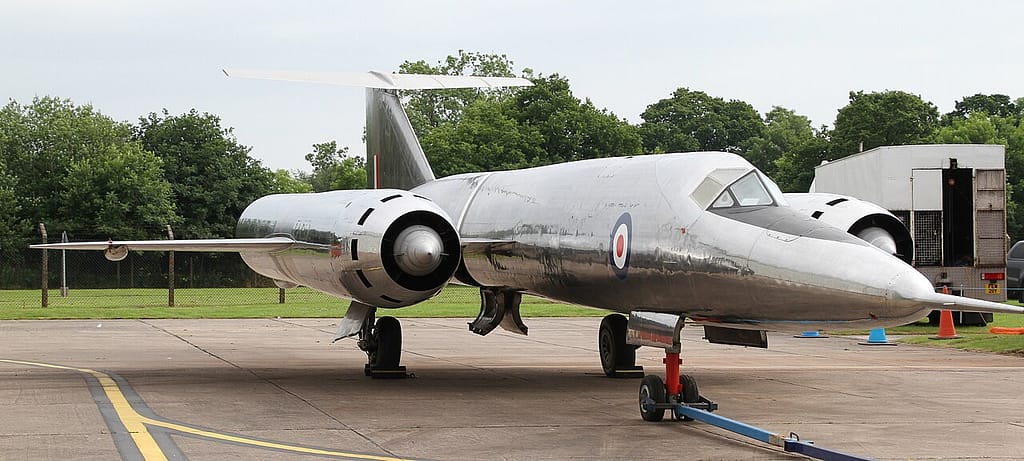
The Flaming Pencil: supersonic stainless steel that burned fuel faster than data:
Sources: RAF Museum; Key.Aero; Wikipedia.
0 Commenti