
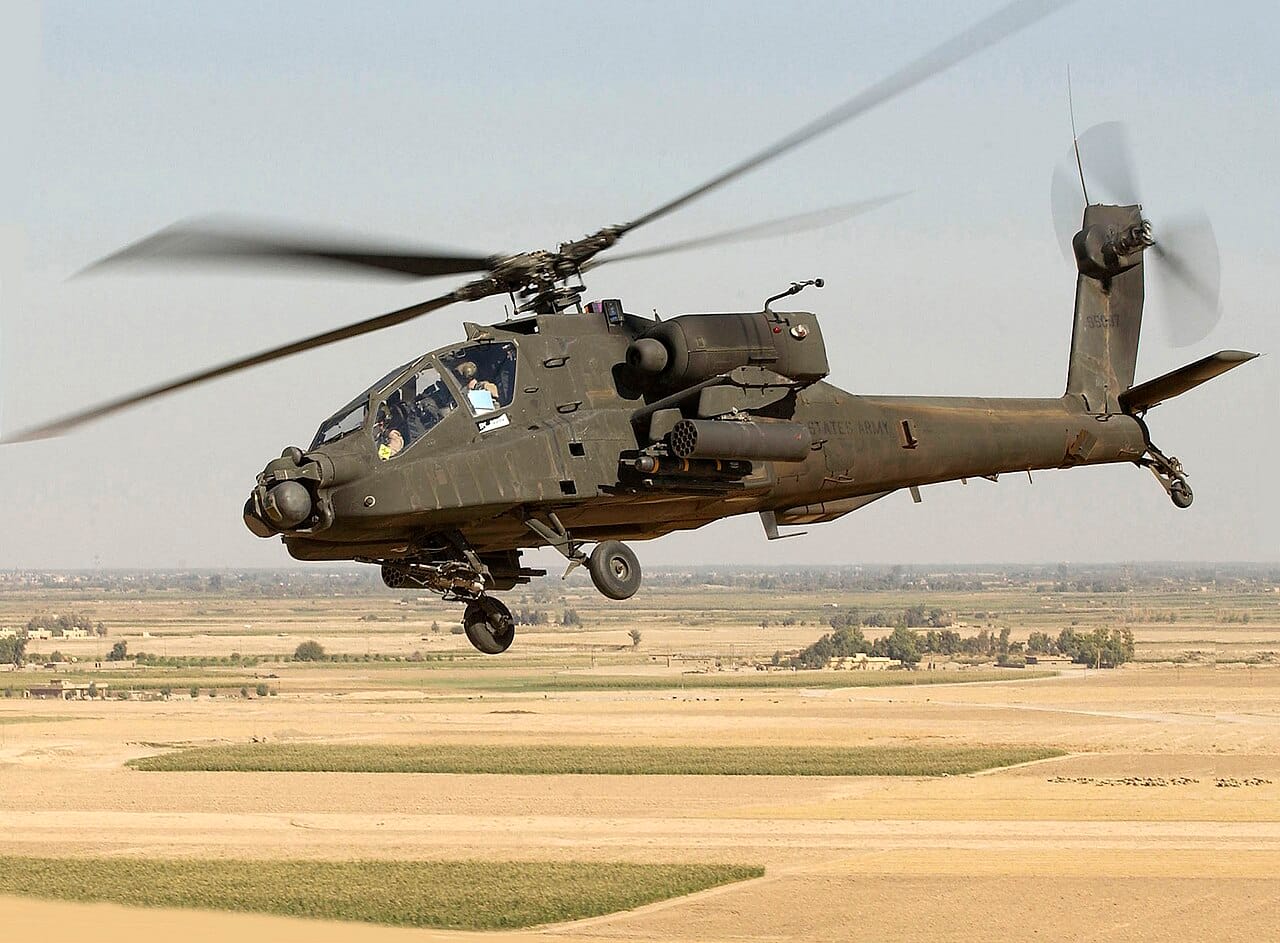
A routine flight over central Texas ended in tragedy on August 12, 2026, when a U.S. Army AH-64E Apache crashed near the town of Salado, killing both crew members aboard.
The helicopter came down at around 1:30 in the afternoon, and the wreckage sparked a grass fire that spread across more than a hundred acres of dry Texas countryside before crews brought it under control.
Informazioni rapide
- Aeromobili: U.S. Army AH-64E Apache
- Posizione: Near Salado, Texas
- Time: Around 1:30 pm Central, Aug 12, 2026
- Vittime: Both crew members killed
- Secondary effect: A grass fire covering more than 100 acres
- Stato: Cause under investigation
Down near Salado
Details remain limited, as they usually are in the first hours after a military crash. What is known is that the Apache went down in the early afternoon, that both crew members were killed, and that the impact ignited a fast-moving grass fire in the surrounding fields.
The Army has not released the identities of the crew, and the cause of the crash is under investigation. Out of respect for the families, officials typically hold back specifics until next of kin have been notified and the initial inquiry is under way.
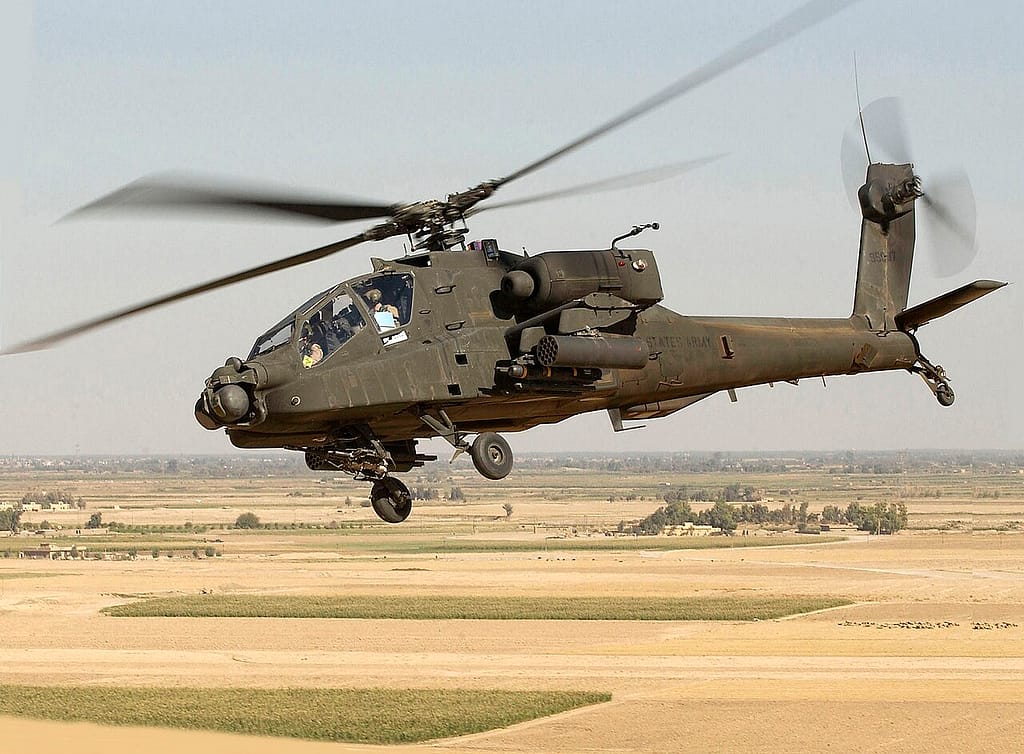
The Apache and its crew of two
The AH-64 Apache is the U.S. Army's primary attack helicopter, a heavily armed machine flown by a crew of two seated one behind the other. It is one of the most capable and most demanding aircraft in the fleet, and it is flown constantly, in training and on operations, around the world.
That heavy use is part of what makes each loss hit hard. Every accident takes not only an expensive aircraft but, far worse, the people who fly it.
A loss for a hard-worked fleet
Army investigators will now work through the wreckage and the flight data to understand what went wrong, a process that can take months. Until then, speculation about the cause helps no one.
For now, the story is a simple and sombre one: two soldiers were lost doing a difficult job, and an air force that asks a great deal of its crews is reminded again of the price that work can carry.
Sources: The Aviationist, U.S. Army

0 Commenti