
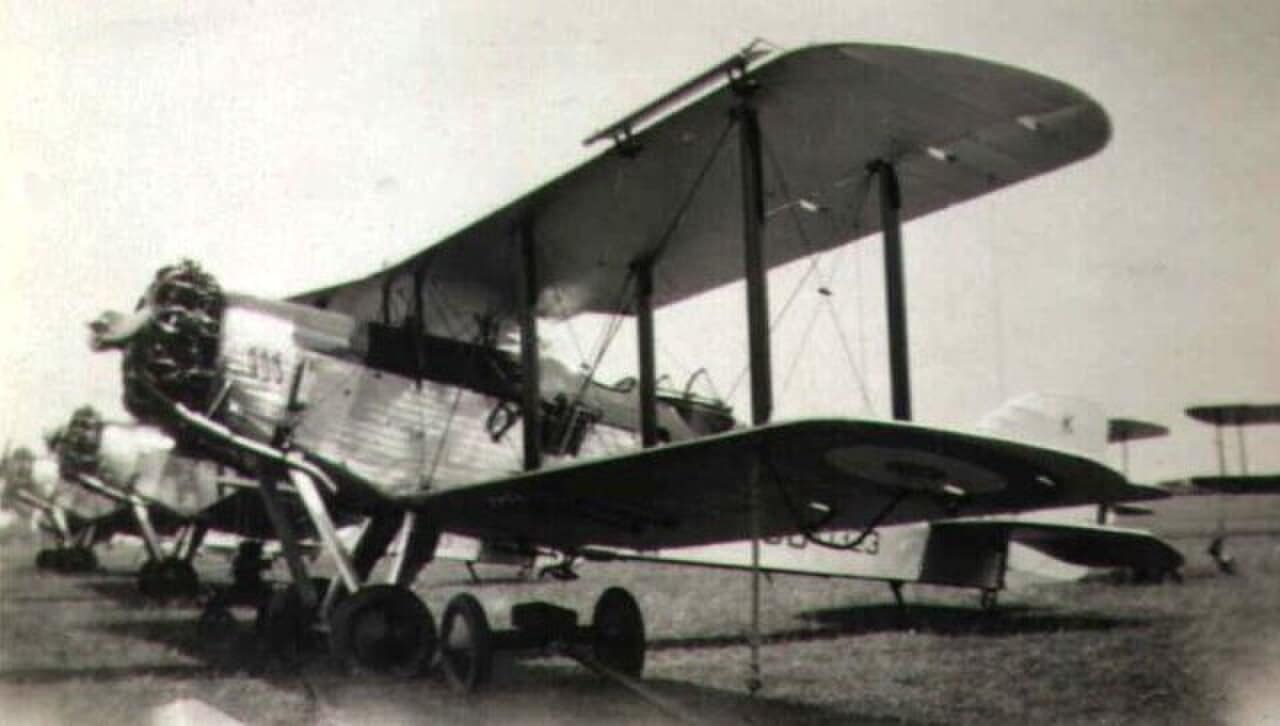
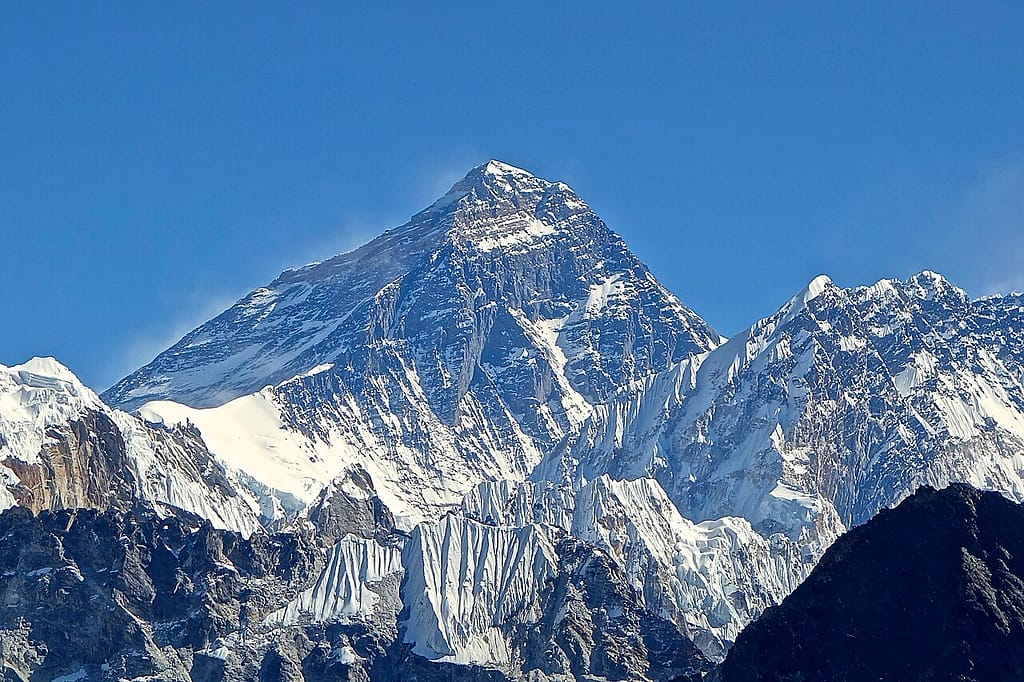
Twenty years before Edmund Hillary and Tenzing Norgay set foot on the summit of Mount Everest, two men in open-cockpit biplanes looked down on it from above.
On April 3, 1933, a small British expedition did something that sounds impossible for the technology of its day: it flew over the highest mountain on Earth, clearing the summit by a reported hundred feet, in flimsy fabric-and-wire aircraft with rudimentary oxygen and barely enough power to get there.
It was one of the great adventures of the golden age of flight, and it was very nearly a disaster.
Informazioni rapide
- Che cosa: The first flight over the summit of Mount Everest
- Data: April 3, 1933
- Aeromobili: Two Westland biplanes, the Houston-Westland and a Wallace prototype
- Crews: Lord Clydesdale and David McIntyre, with observers Stewart Blacker and Sidney Bonnett
- Took off from: Lalbalu airstrip, Bihar, India
- Cleared the summit by: A reported 100 feet
- Patron: Lucy, Lady Houston
- Filmed as: Wings Over Everest (1934)
The roof of the world, by biplane
The aircraft were two Westland biplanes fitted with supercharged Bristol Pegasus engines, chosen because they could claw their way into the thin air above 30,000 feet. Even so, the margins were terrifying. The crews flew in open cockpits, wrapped against cold that plunged far below freezing, breathing bottled oxygen through primitive equipment.
They took off from a strip at Lalbalu in northern India on the morning of April 3, 1933, and pointed their noses at a mountain no aircraft had ever crossed.
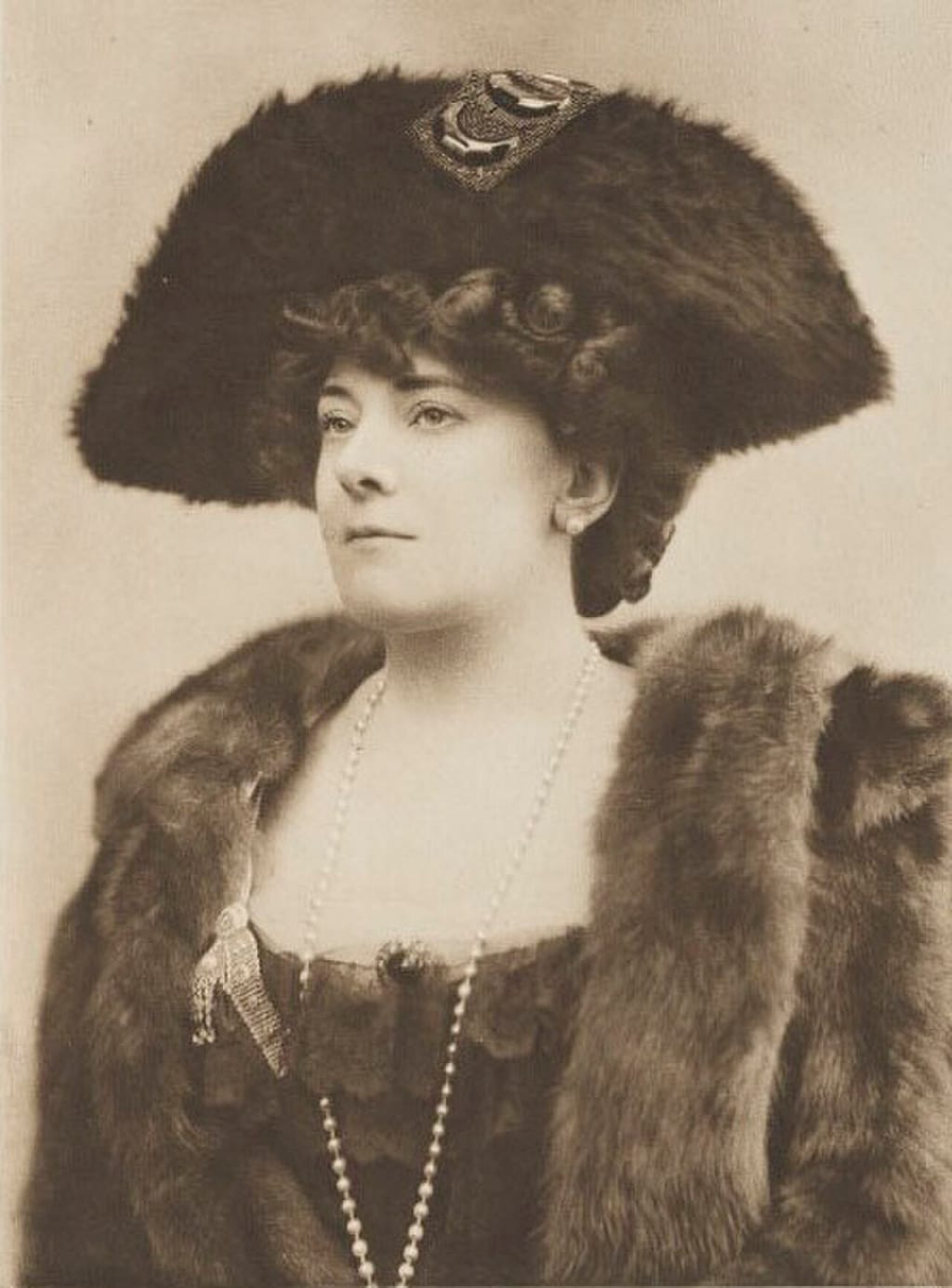
The eccentric millionaire who paid for it
The expedition existed because of one remarkable woman. Lucy, Lady Houston, a fiercely patriotic and famously eccentric millionaire, put up the money after the British establishment hesitated. She had already helped save the Spitfire's ancestor, the Supermarine racers, and she saw flying over Everest as a matter of national pride.
Rival French and German teams were reportedly eyeing the same prize, which only sharpened the sense that this was a race for Britain to win.
Over the top, by a hundred feet
As the biplanes approached the summit, savage downdrafts hurled them toward the rock. The pilots fought for every foot of altitude, and the aircraft scraped over the top of Everest with what observers put at barely a hundred feet to spare. From the second cockpits, the observers worked cameras with frozen hands, capturing the first photographs ever taken looking down on the roof of the world.
That footage was later cut into the documentary Wings Over Everest, which brought the astonishing images to audiences who could scarcely believe what they were seeing.
A handkerchief and a broken oxygen line
The flight nearly cost a life. High over the mountain, the cameraman Sidney Bonnett suddenly felt faint, with stabbing pains in his stomach. He discovered that his oxygen line had split open, and at that altitude a few minutes without oxygen would have killed him.
With extraordinary calm, he tied a handkerchief around the break, sealed the leak well enough to keep breathing, and went back to filming. The photographs the expedition brought home were so good that, two decades later, they helped the team that finally conquered Everest on foot plan their route to the summit.
Sources: Wikipedia, National Geographic, HistoryNet, Guinness World Records
0 Commenti