
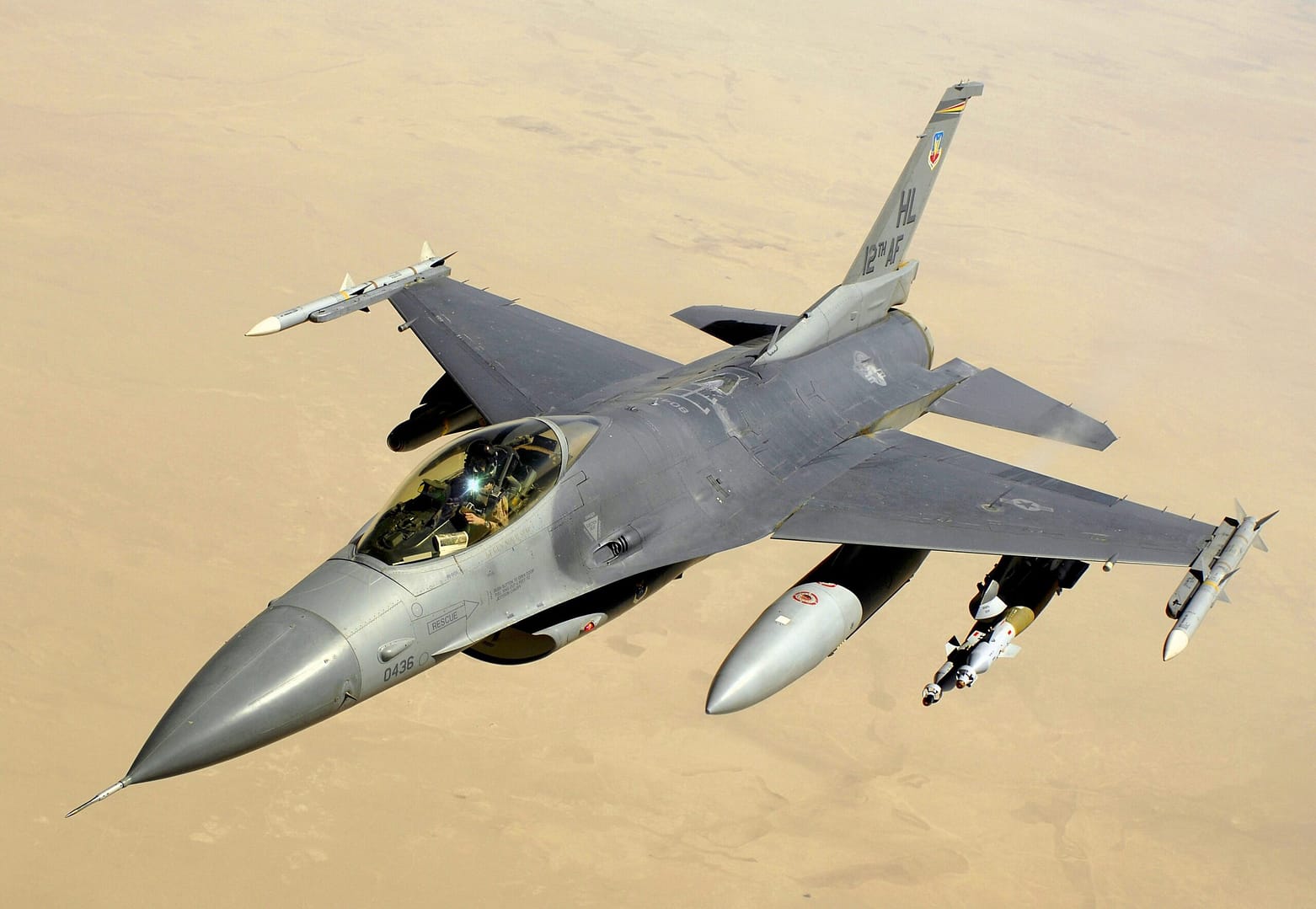
The West gave Ukraine its best single-engine fighter. Then Ukraine's pilots threw away the instruction manual.
Since the first F-16 Fighting Falcons arrived in Ukrainian skies in August 2024, the pilots who fly them have compiled a combat record that no NATO training programme anticipated: more than 1,300 aerial intercepts — mostly Russian cruise missiles and Iranian-designed Shahed drones — and over 300 ground strikes against command posts, ammunition depots, drone control facilities, and armoured vehicles. But the numbers tell only half the story. The other half is how those kills were achieved — by systematically abandoning the tactics NATO taught them.
"Western Doctrine Is Unsuitable"
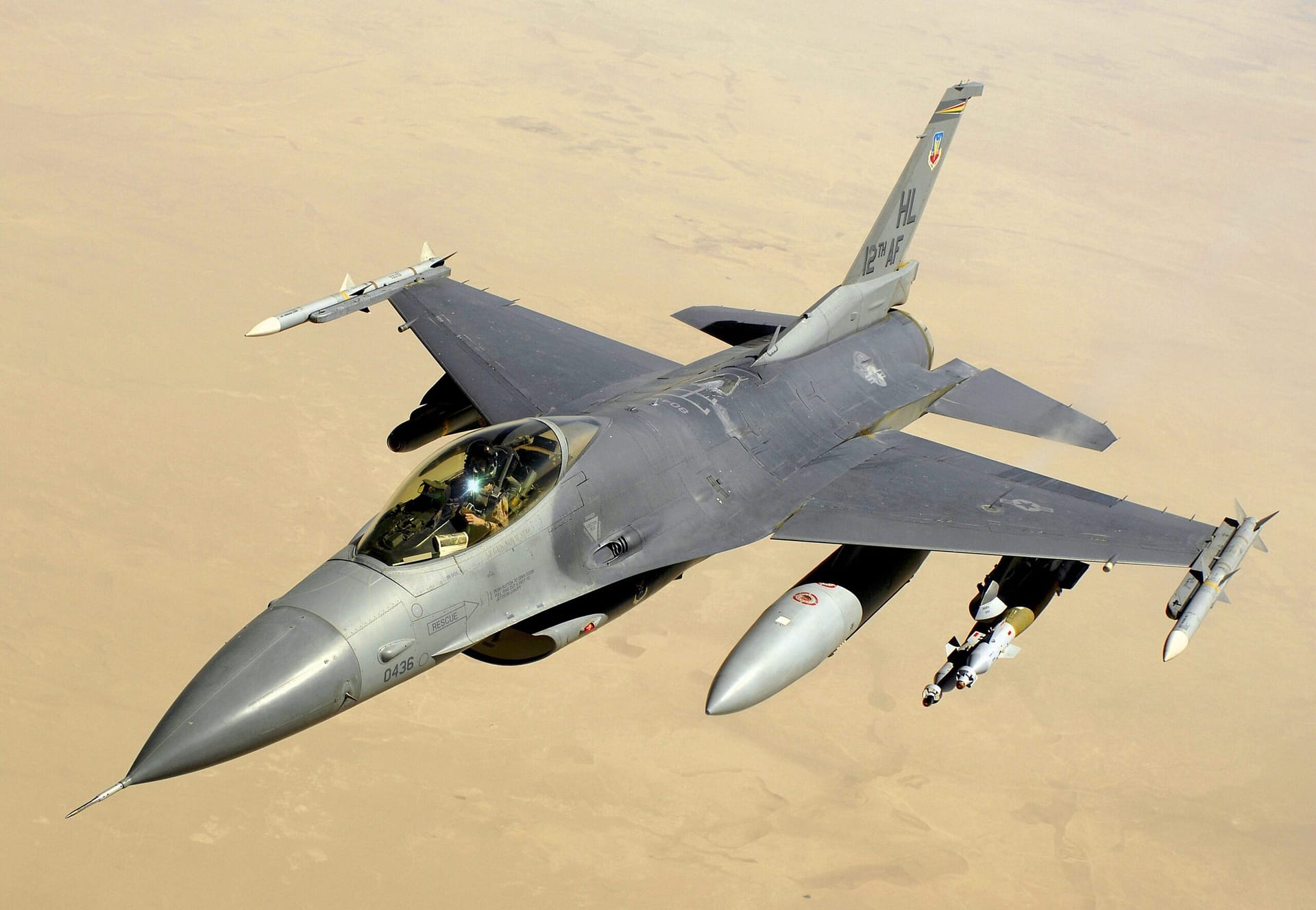
Ukrainian Air Force officers have been blunt. The air combat tactics taught by NATO allies during F-16 conversion training were, in the words of multiple pilots and commanders, "unsuitable" for engagements against Russian forces. The problem is not the aircraft — the F-16 Block 15/20 airframes donated by Denmark, the Netherlands, Norway, and Belgium are capable machines. The problem is that NATO doctrine was designed for a very different war.
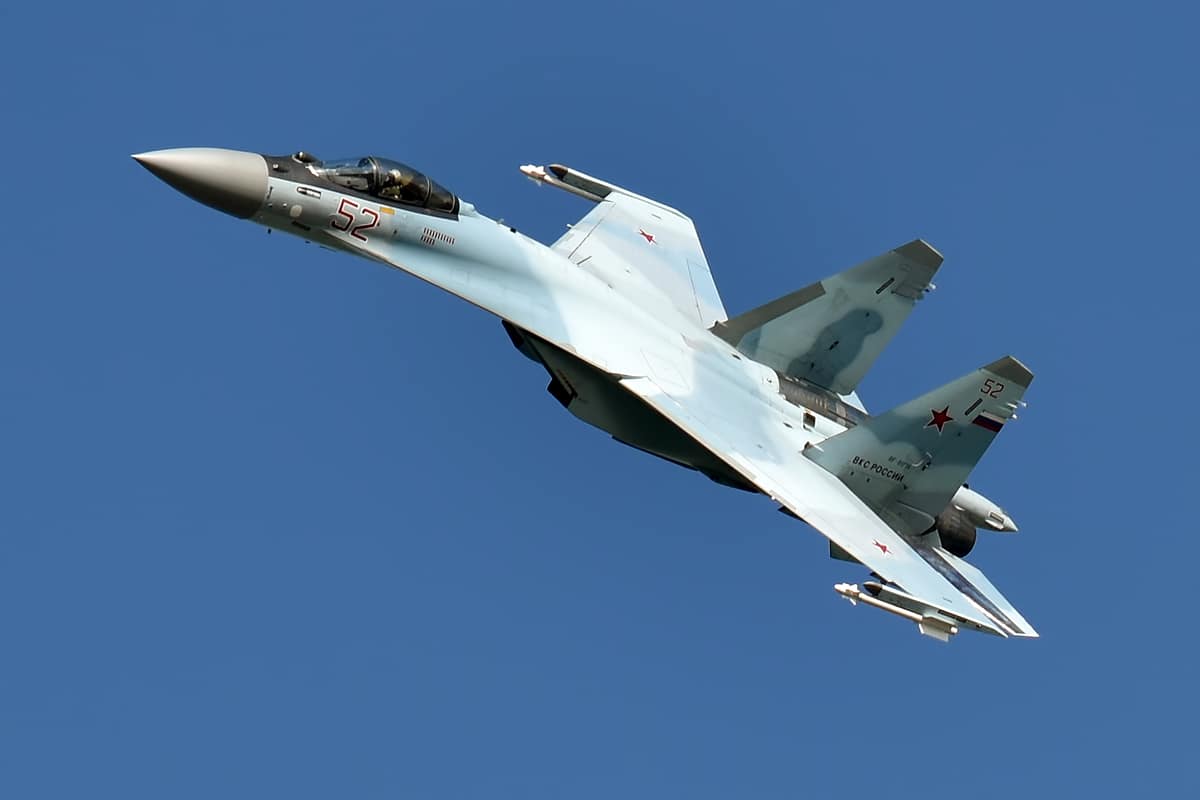
NATO F-16 pilots train to operate in an environment where their side controls the skies, AWACS aircraft provide persistent radar coverage, electronic warfare assets suppress enemy air defences, and tankers orbit safely behind the lines. None of those conditions exist in Ukraine. What exists instead is the densest and most capable integrated air defence network on earth — a layered Russian system stretching from S-400s and S-300s to Buk-M3s and Pantsir-S1s, backed by Su-35 Flanker-E fighters and MiG-31 Foxhound interceptors patrolling at high altitude.
The Terrain-Hugging Revolution
The most dramatic tactical shift has been altitude. Where NATO doctrine places F-16s at medium altitude — 15,000 to 25,000 feet — to maximise radar coverage and missile range, Ukrainian pilots have gone the opposite direction: extreme low-altitude, terrain-hugging flight. They skim the treetops, using the ground itself as a shield against Russian radar. At those altitudes, the earth creates enormous background clutter that makes it significantly harder for missile guidance systems to acquire and track a target.
This is not a minor adjustment. Low-altitude combat flying in a contested environment is among the most dangerous things a pilot can do. It demands constant visual awareness, split-second terrain avoidance, and the acceptance that one moment of inattention means death by impact rather than by missile. It also drastically reduces the range at which the F-16's own APG-66 radar can detect targets — a trade-off Ukrainian pilots have accepted because survival matters more than sensor range when the other side has better missiles.
The Decoy Game
Perhaps the most innovative tactic to emerge from Ukraine's air war is the decoy play. Ukrainian F-16 crews deliberately expose their aircraft to Russian fighter patrols — popping up on radar just long enough to provoke a missile launch. The goal is not to engage. The goal is to force the enemy to waste ammunition.
In one documented engagement, three F-16s worked in concert, approaching from different vectors to bait Russian aircraft into firing from multiple directions. Once the Russian jets had expended their beyond-visual-range missiles, a second wave of Ukrainian aircraft — carrying precision-guided bombs — completed their ground-attack missions virtually unopposed. It is a technique that requires extraordinary nerve, precise coordination, and a willingness to use your own aircraft as live bait.
Guns Against Drones
The F-16's M61 Vulcan 20mm rotary cannon — a weapon many Western air forces treat as a relic of the dogfighting era — has found an unexpected second life in Ukraine. Against slow-moving Shahed-136 drones, which cost Iran roughly $20,000 each, using an AIM-120 AMRAAM (approximate unit cost: $1.1 million) is an absurd economic equation. Ukrainian pilots have instead learned to engage Shaheds with gun kills — a skill that demands closing to within a few hundred metres of the target and firing short, precise bursts.
One widely circulated video from September 2025 shows a Ukrainian F-16 downing a Shahed with a single burst from its Vulcan at extremely close range. It is a visceral reminder that in this war, the most sophisticated Western fighter jet in Ukrainian hands is sometimes at its most effective when its pilot flies like a World War I ace — close enough to see the target with the naked eye.
GPS Denied, Pilot Prevails
Russian electronic warfare has made GPS-dependent navigation unreliable across much of the front. Ukrainian F-16 pilots have responded by training extensively in GPS-denied low-level flying — using visual landmarks, terrain association, and backup inertial navigation to maintain situational awareness when their digital systems go dark. It is a skill set that NATO air forces have largely allowed to atrophy in an era of precision GPS guidance, and one that Ukraine's pilots are rebuilding from scratch.
The lesson from Ukraine's F-16 campaign is as old as air warfare itself: tactics are not universal. They are shaped by the enemy, the terrain, and the resources available. NATO gave Ukraine the F-16. Ukrainian pilots are writing the manual that NATO never could — because NATO has never fought a war like this one.
Sources: Military Watch Magazine, Euromaidan Press, Militarnyi, Kyiv Post, United24 Media, Defence Industry Europe
0 Commenti