
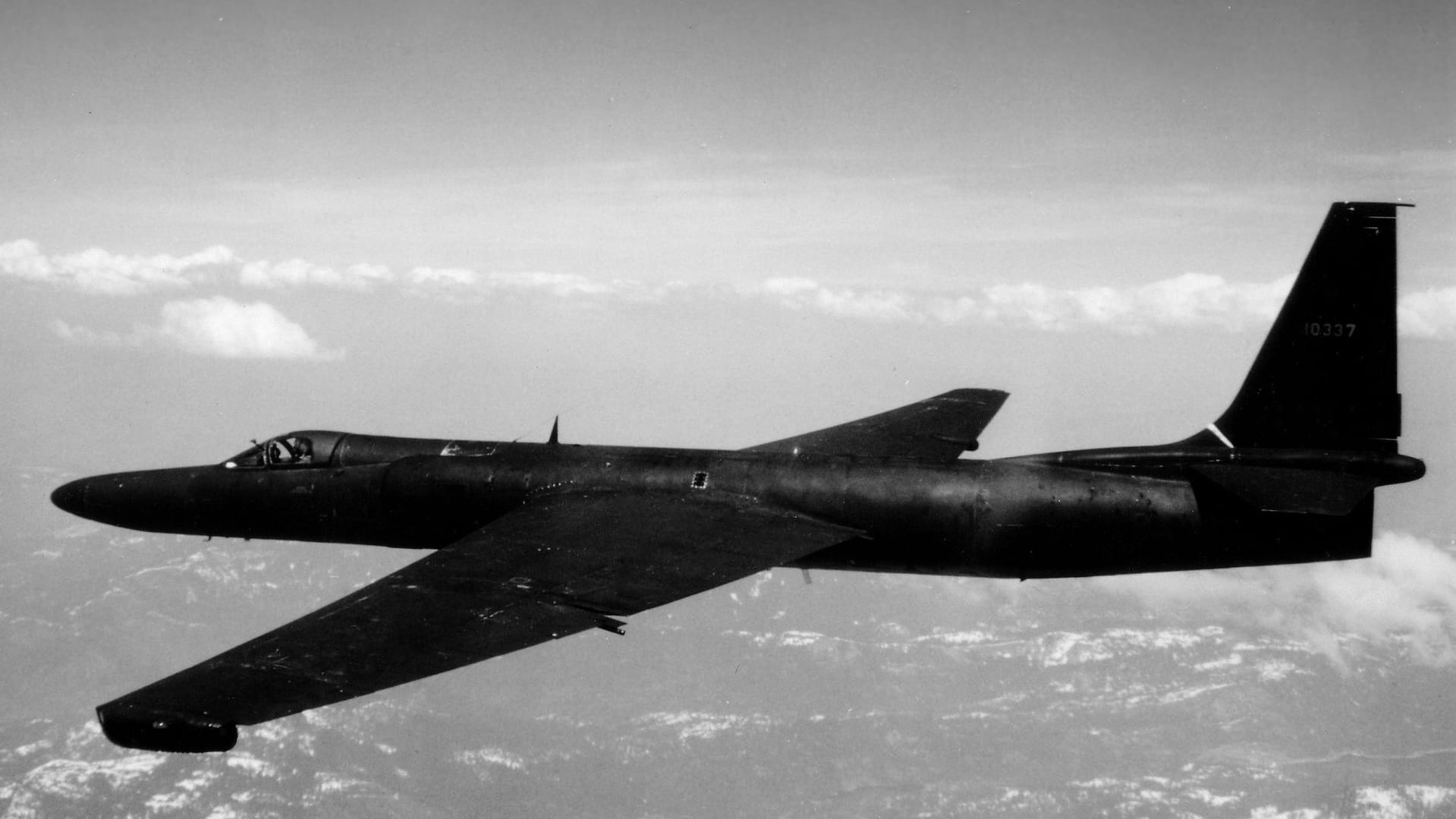
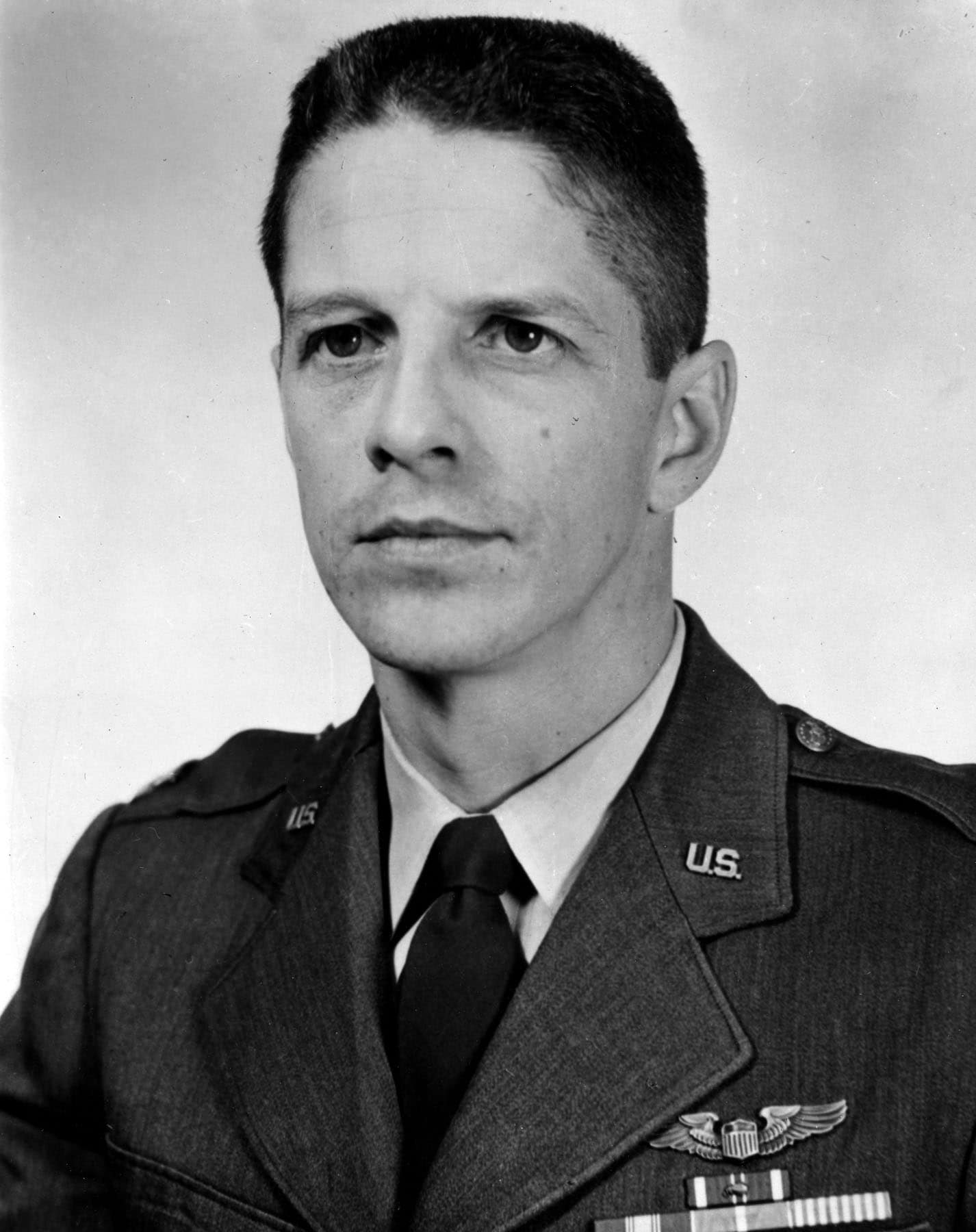
On the morning of Saturday, 27 October 1962, Major Rudolf “Rudy” Anderson Jr. was sealed into his pressure suit at McCoy Air Force Base in Orlando, Florida. He was not on the schedule that day — he had lobbied hard for the mission. It would be his sixth flight over Cuba in thirteen days, alone and unarmed at 72,000 feet, over an island now bristling with live Soviet anti-aircraft missiles.
Below him, the world was closer to nuclear war than it has ever been, before or since. Washington would remember the date as “Black Saturday”: Soviet missile sites in Cuba were nearing readiness, a second, harder-line letter from Moscow had just landed, and another U-2 si erano accidentalmente spinti oltre il territorio sovietico, facendo decollare i MiG.
At 10:19 a.m., over the eastern port town of Banes, Anderson’s luck ran out. He became the only man killed by enemy fire in the entire Cuban Missile Crisis — and his death, fired without Moscow’s approval, may have done more than anything else that day to pull two superpowers back from the edge.
Brevi cenni: la sparatoria di Anderson
| Pilota | Maj. Rudolf Anderson Jr. (1927–1962), Greenville, South Carolina |
| Aeromobili | Lockheed U-2F, numero di serie AF 56-6676 (ex CIA Article 343) |
| Unità | 4080° Stormo di Ricognizione Strategica, con base aerea di McCoy, Florida |
| Abbattuto | 27 ottobre 1962, ore 10:19, nei pressi di Banes, Cuba |
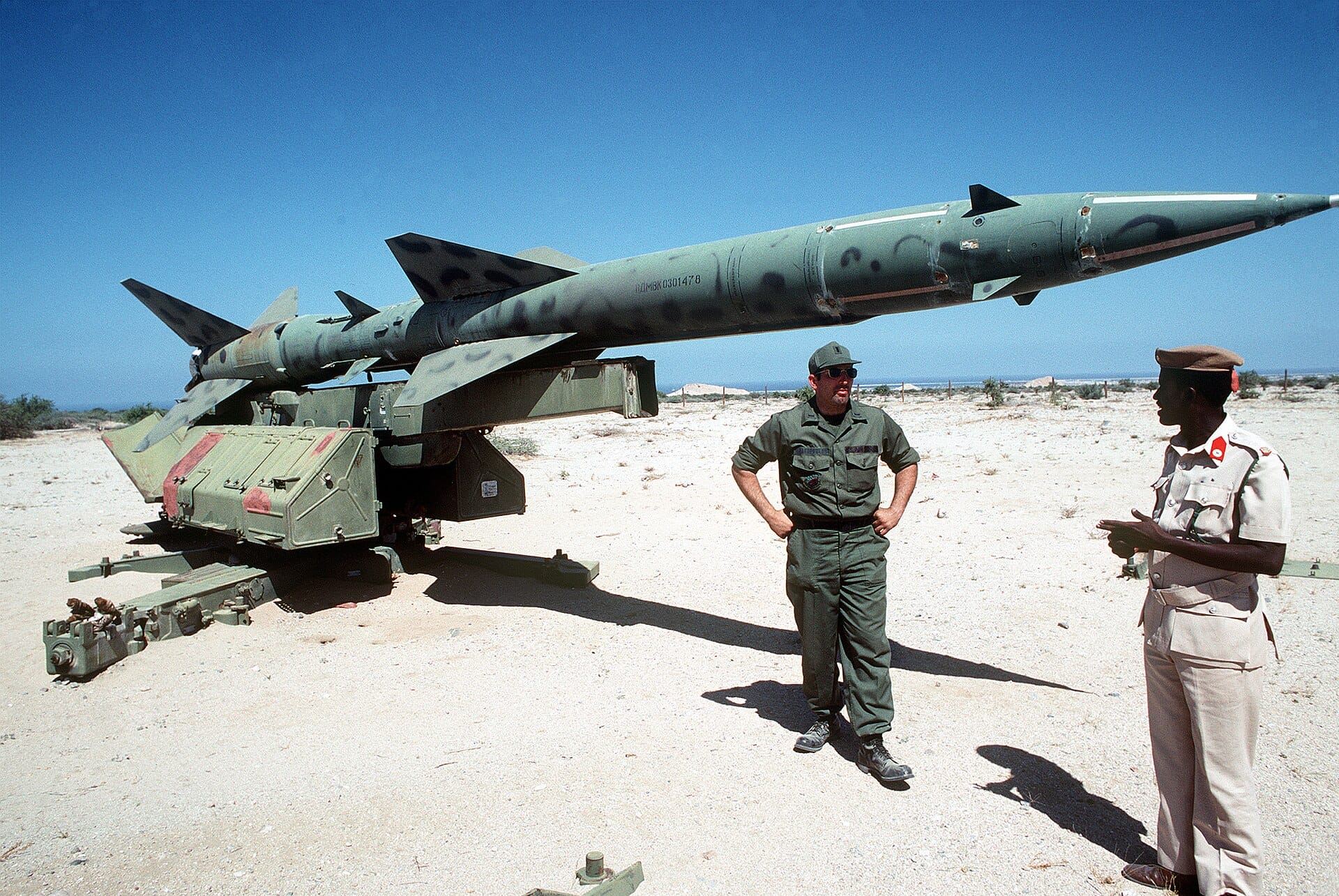
| Arma | Missile terra-aria sovietico S-75 Dvina (NATO: linea guida SA-2). |
| Missione | Il suo sesto sorvolo di Cuba durante la crisi |
| Decorazione | La prima Croce dell'Aeronautica Militare mai conferita, postuma |
| Sepolto | Parco commemorativo di Woodlawn, Greenville, 6 novembre 1962 |
Tredici giorni prima
Anderson was the quiet, precise sort of pilot the U-2 demanded. A textile engineering graduate of Clemson, he had flown RF-86 reconnaissance Sabres in Korea, earning two Distinguished Flying Crosses, and by 1962 he was the 4080th Strategic Reconnaissance Wing’s most experienced U-2 pilot, with more than a thousand hours in the unforgiving jet. He had a wife, Jane, two small sons, and a daughter on the way.
When the Air Force took over the CIA’s Cuba overflights in mid-October 1962, Anderson flew one of the first missions — photography that helped confirm Soviet medium-range ballistic missiles standing on Cuban soil, ninety miles from Florida. Those pictures put President Kennedy’s ExComm in the Cabinet Room and started the thirteen days that gave the crisis its name.
Obiettivo numero 33
By 27 October, the calculus over Cuba had changed: the island’s two dozen SA-2 sites were operational, manned by Soviet crews. As Anderson’s U-2 — tracked as Target Number 33 — crossed the island, Soviet officers in Havana grew convinced he was photographing tactical nuclear weapons positioned near Guantanamo Bay.
Moscow’s standing instruction was not to fire on American aircraft. But the overall Soviet commander in Cuba, General Issa Pliyev, could not be reached — accounts differ as to why, with several sources citing illness. His deputies, Lieutenant General Stepan Grechko and Major General Leonid Garbuz, made the call themselves.
The order went out: destroy Target Number 33. Two S-75 missiles rose from the site near Banes. One detonated close to the U-2, and shrapnel punched through the cockpit, Anderson’s helmet and his pressure suit — at that altitude, even a small breach meant death in seconds if the fragments themselves had not already killed him. The aircraft broke up and fell thirteen miles to the island below.
Un gioco completamente nuovo
Word reached the White House within hours, landing in a Cabinet Room already saturated with bad news. “They’ve fired the first shot,” said Assistant Secretary of Defense Paul Nitze. Kennedy’s own verdict: “We are now in an entirely new ball game.”
The Joint Chiefs pressed for airstrikes on the Cuban air defences the next morning — existing contingency plans called for exactly that if a reconnaissance aircraft were shot down. Kennedy refused to be rushed. He suspected, correctly, that Nikita Khrushchev had never authorised the launch, and he was haunted by where the first strike would lead.
That same evening, the President sent his brother to meet Soviet Ambassador Anatoly Dobrynin in secret. The bargain they sketched — Soviet missiles out of Cuba, an American pledge not to invade, and the quiet removal of U.S. Jupiter missiles from Turkey — ended the crisis within a day. It was also the Saturday of the celebrated incident aboard the Soviet submarine B-59, where a single officer’s refusal helped prevent a nuclear torpedo launch; 27 October earned its dark nickname several times over.
Mosca non era contenta
The Kremlin’s reaction to the shootdown confirmed how far the decision had strayed from policy. Defence Minister Rodion Malinovsky cabled Havana that the commanders had been “precipitate” in shooting the plane down while negotiations with Washington were progressing. Khrushchev’s son Sergei later wrote that this was the moment his father felt the situation slipping out of his control.
Historians still debate exactly how the order was framed and whether Cuban pressure played a part — Fidel Castro had ordered his own anti-aircraft guns to fire on low-level American flights that morning — but the core facts are established from Soviet testimony: the launch was ordered locally, by Grechko and Garbuz, against Moscow’s instructions. Within twenty-four hours, Khrushchev announced the missiles would be withdrawn.
La Prima Croce dell'Aeronautica Militare
Anderson’s fate stayed uncertain in Washington for days. On 31 October, UN Acting Secretary-General U Thant returned from Havana with confirmation that the pilot was dead. Cuba released his body on 4 November, and he was buried in Greenville two days later. Kennedy wrote personally to his widow, Jane, then pregnant with their third child: “Your husband’s mission was of the greatest importance, but I know how deeply you must feel his loss.”
By order of the President, Anderson became the first recipient of the Air Force Cross, the service’s highest decoration after the Medal of Honor — awarded for flying “an unescorted, unarmed aircraft” whose photographs, in the words of the citation, gave the United States conclusive evidence of the missiles and helped chart the nation’s course through the crisis.
Pieces of his U-2 are still displayed in three Cuban museums, including the engine at Havana’s Museum of the Revolution. In Greenville, a memorial in Cleveland Park honours him beside an F-86 Sabre like the one he flew in Korea — no U-2 could be spared when it was built in 1963. Ten other pilots flew U-2s over Cuba during those thirteen days and came home. Anderson’s death remained the crisis’s only combat loss — one man, whose final mission helped convince two leaders that the next shot could not be taken back.
Fonti: Wikipedia; HISTORY (Christopher Klein); Biblioteca presidenziale JFK; HistoryNet; Arms Control Association
Domande correlate
Chi era Rudolf Anderson?
Il maggiore Rudolf Anderson Jr. (1927–1962) era un pilota di ricognizione U-2 dell'aeronautica militare statunitense e l'unica persona uccisa dal fuoco nemico durante la crisi dei missili di Cuba. Il 27 ottobre 1962 il suo U-2 fu abbattuto sopra Cuba da un missile terra-aria sovietico. Gli fu conferita postuma la prima Air Force Cross in assoluto.
Chi fu l'unica persona a perdere la vita durante la crisi dei missili di Cuba?
L'unica persona uccisa dal fuoco nemico durante la crisi dei missili di Cuba fu il maggiore Rudolf Anderson Jr., un pilota di U-2 abbattuto sopra Banes, Cuba, il 27 ottobre 1962. La sua morte, nel giorno noto come "Sabato Nero", aumentò il pericolo di un'escalation alla il momento più pericoloso della Guerra Fredda.
Cosa ha abbattuto l'U-2 di Rudolf Anderson?
Il Lockheed U-2 di Rudolf Anderson fu abbattuto da un missile terra-aria sovietico S-75 Dvina, noto alla NATO come SA-2 Guideline. Il missile fu lanciato da una postazione a Cuba il 27 ottobre 1962, mentre Anderson sorvolava la parte orientale dell'isola a circa 72.000 piedi di altitudine, durante la sua sesta missione su Cuba.
Quale aereo ha fotografato i missili a Cuba?
Gli aerei spia Lockheed U-2, che volavano ad alta quota, fotografavano i siti missilistici sovietici a Cuba da circa 72.000 piedi, mentre quelli a bassa quota RF-8 Crusader Le missioni catturarono immagini dettagliate e ravvicinate. Insieme, le loro fotografie confermarono la presenza di missili a capacità nucleare sull'isola e diedero il via alla crisi. La ricognizione era pericolosa, come l'abbattimento del missile di Anderson e altre perdite. voli di spionaggio della Guerra Fredda mostrato.
Cosa accadde nel Sabato Nero del 1962?
"Il "Sabato Nero", 27 ottobre 1962, fu il giorno più pericoloso della crisi dei missili di Cuba. Le basi missilistiche sovietiche erano quasi pronte all'uso, arrivò una lettera intransigente da Mosca, un U-2 si avventurò fuori dallo spazio aereo sovietico e il maggiore Rudolf Anderson fu abbattuto sopra Cuba. La sua morte e la crescente tensione spinsero entrambe le superpotenze sull'orlo di una guerra nucleare.
Quale onorificenza ha ricevuto Rudolf Anderson?
Rudolf Anderson ricevette la Croce dell'Aeronautica Militare, conferitagli postumo, e fu la prima persona in assoluto a riceverla. In precedenza, si era guadagnato due Distinguished Flying Cross pilotando i caccia da ricognizione RF-86 Sabre durante la guerra di Corea. Fu sepolto nel Woodlawn Memorial Park di Greenville, Carolina del Sud, il 6 novembre 1962.
0 Commenti