
By 1942 Eddie Rickenbacker had already cheated death more times than most men attempt it. He was America’s “Ace of Aces” from the First World War, a former Indianapolis 500 racer, and the hard-driving boss of Eastern Air Lines. He was in his early fifties, a civilian, and travelling on a hush-hush errand for the War Department when the Pacific nearly finished what German fighters never could.
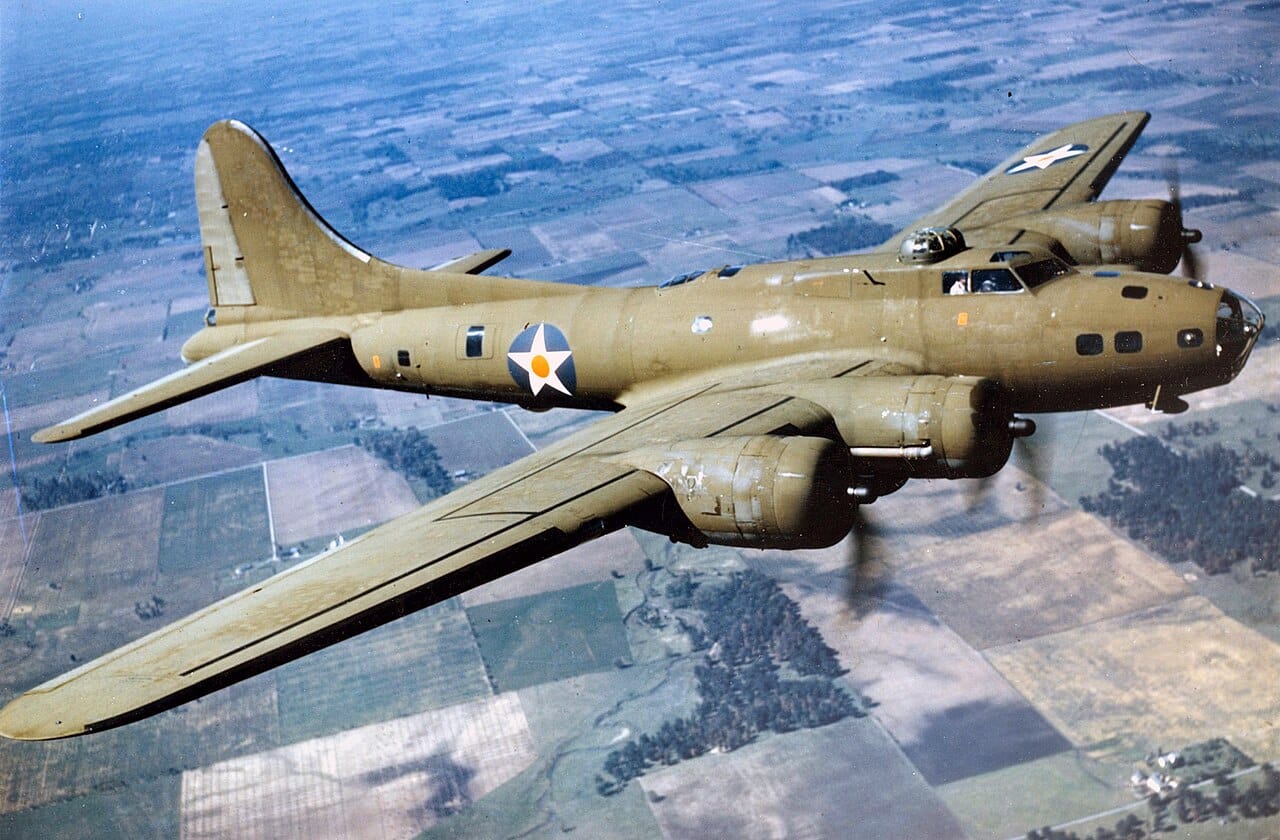
His B-17 Flying Fortress, its navigation failing, drifted hundreds of miles off course, overshot a tiny refuelling island, and ran its four engines dry. The bomber ditched into open ocean. Eight men scrambled into three small rafts with a handful of oranges and no water.
What followed was 24 days of sun, salt, thirst, prayer — and one very famous seagull. One man would not survive. The rest would owe their lives, in no small part, to the stubborn will of the old fighter pilot in the battered hat.
Informazioni rapide
| Chi | Eddie Rickenbacker, America’s WWI “Ace of Aces” |
| WWI record | 26 aerial victories; the Medal of Honor |
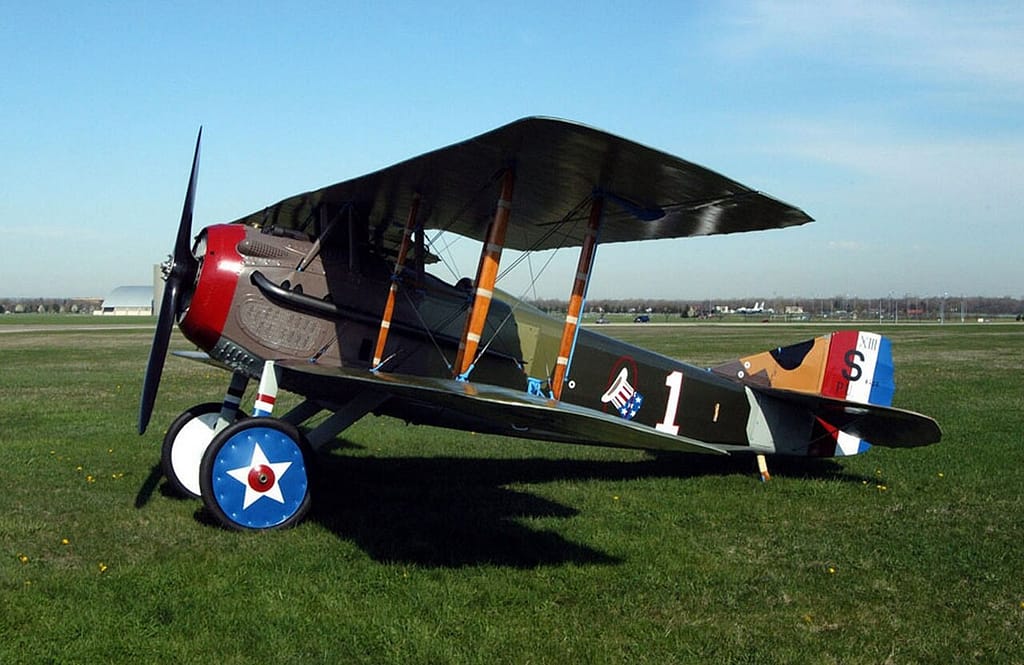
| WWI aircraft | SPAD XIII, 94th “Hat in the Ring” Squadron |
| 1942 mission | A War Department tour of the Pacific, carrying a message for Gen. MacArthur |
| The ditching | His B-17 strayed off course, ran out of fuel, and came down in the open ocean |
| Adrift | About 24 days on three small rafts; one of the eight men died |
| Survival | A seagull that landed on his head; rainwater; sheer stubbornness |
| Rescue | US Navy floatplanes, 13 November 1942 |
America’s Ace of Aces
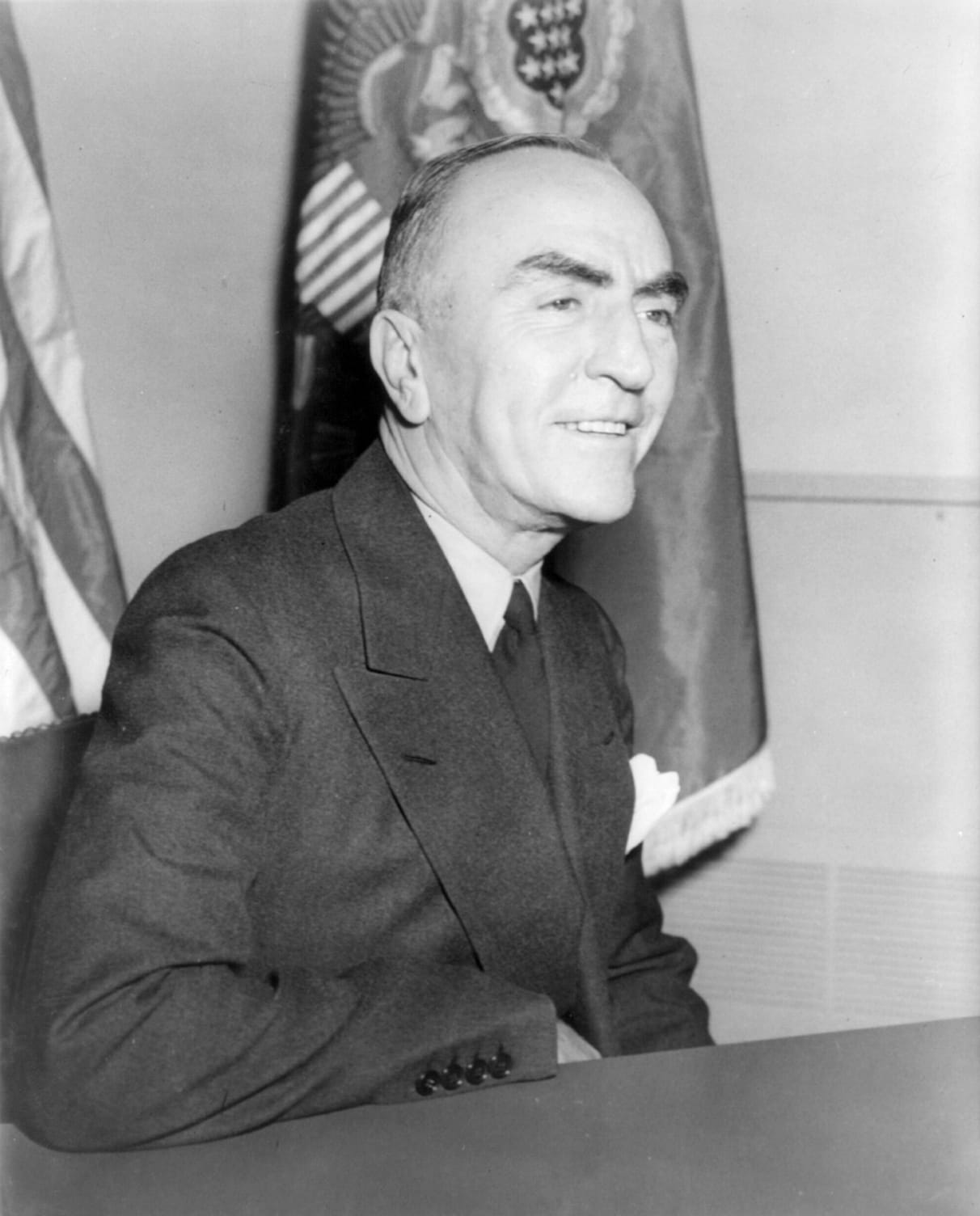
Edward Rickenbacker learned nerve and machinery on dirt racetracks before he ever flew. He talked his way into pilot training in the First World War, joined the 94th Aero Squadron, and flew the rugged SPAD XIII. Credited with 26 victories, he became the top-scoring American ace of the war, and in 1930 received the Medal of Honor for a lone patrol against seven enemy aircraft.
Between the wars he ran motor companies, owned the Indianapolis Motor Speedway, and rose to lead Eastern Air Lines.
A Secret Mission to the Pacific
In October 1942 Rickenbacker set out, as a one-dollar-a-day civilian observer, to inspect air bases across the Pacific and hand-deliver a confidential message to General Douglas MacArthur. From Hawaii he boarded a B-17 as a passenger, bound for a refuelling stop on a speck of an island roughly 1,800 miles away.
The History Guy on Rickenbacker’s raft ordeal.
The Ditching
The navigation equipment failed, and the bomber strayed far off course, missing the island entirely. When the fuel ran out, the pilot set the big four-engine aircraft down on the swells. The eight men escaped into three lashed-together rafts — but in the scramble no one grabbed water or rations. All they had were a few oranges.
Period footage of Rickenbacker telling of the rescue.
Twenty-Four Days on the Rafts
The sun blistered them; salt water opened sores. On the eighth day, as Rickenbacker dozed after leading the men in prayer, a seagull settled on his head. He caught it slowly; the bird became a shared meal and bait for a fish. Rain squalls gave them water.
Rickenbacker drove the men mercilessly to keep them fighting — some came to hate him for it, which was exactly the point. One crewman, who had drunk seawater, died and was buried at sea.
Rescue and Legacy
Aircraft were sighted from about the nineteenth day, but none spotted the rafts. On 13 November 1942 — the twenty-fourth day — US Navy floatplanes finally found the survivors. Rickenbacker had lost dozens of pounds, but within weeks he pressed on and delivered his message to MacArthur.
The ordeal became one of the most celebrated survival stories of the war. Rickenbacker, who liked to say he had survived well over a hundred brushes with death, lived to 82 — the ace the ocean could not keep.
The survival story, retold.
Sources: Wikipedia (Eddie Rickenbacker); National Medal of Honor Museum; Thomas Fleming, American Heritage (2008).



0 Commenti