Storia e leggende, Aviazione militare
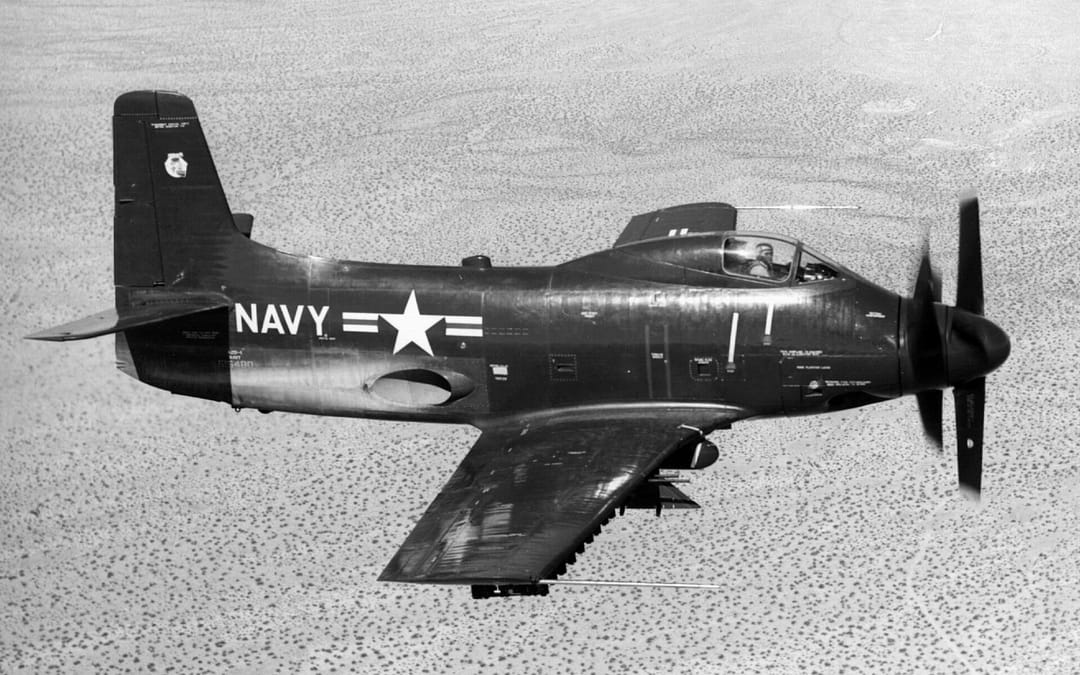
Sulla carta, avrebbe dovuto funzionare. Prendere il superbo Douglas Skyraider, sostituire il suo fragoroso motore a pistoni con un moderno turboelica da oltre 5.000 cavalli, e la Marina degli Stati Uniti avrebbe avuto un aereo d'attacco imbarcato più veloce e più potente di qualsiasi altro velivolo in servizio...

Aviazione militare, Notizia
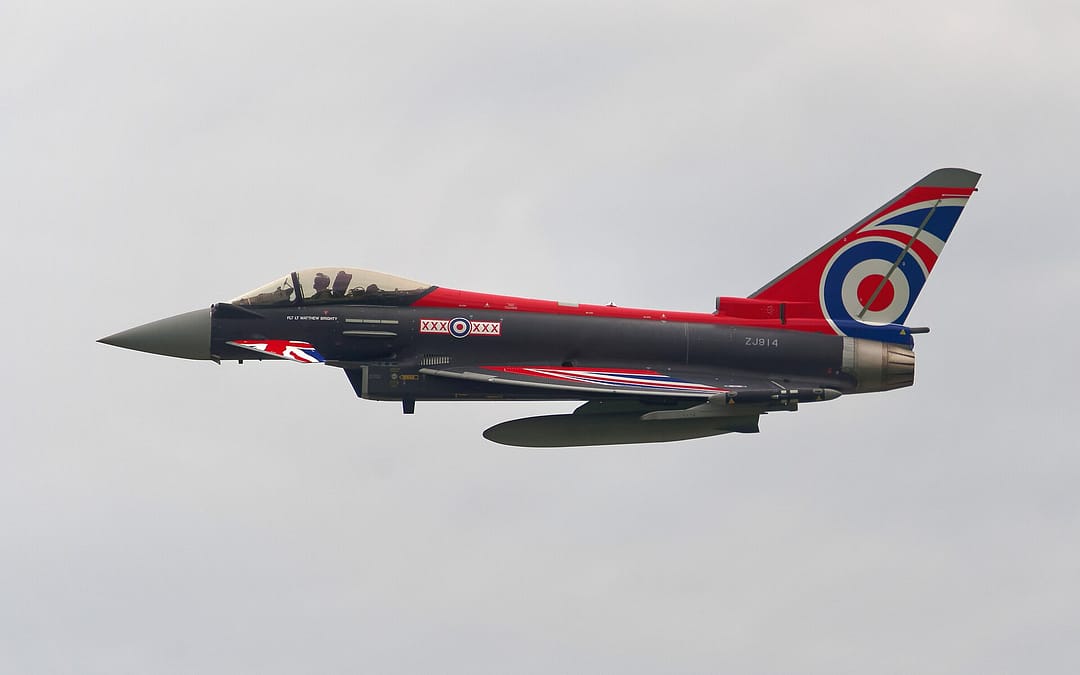
Per quattro mesi, il compito di sorvegliare il confine orientale della NATO sul Mar Nero è toccato a una manciata di caccia britannici in attesa di decollare in Romania. La settimana scorsa, hanno ceduto il turno alla Spagna e sono tornati a casa. Il 31 luglio 2026, il personale della Royal Air Force proveniente da...
Aviazione militare, Notizia
Per trent'anni, una JDAM è stata una bomba non guidata con un cervello attaccato: economica, precisa e utile solo se si volava quasi direttamente sopra il bersaglio. L'aeronautica militare statunitense ha appena acquistato una versione in grado di colpire qualcosa a più di 300 miglia di distanza. Il 5 agosto 2026, l'aeronautica militare statunitense...
Aviazione militare, Notizia
Ogni due anni, i cieli vuoti del Top End australiano si riempiono del frastuono della più grande esercitazione di combattimento aereo dell'emisfero australe. Quest'anno, per la prima volta, alcuni di quei caccia sfoggiavano le insegne giapponesi e indonesiane. L'esercitazione Pitch Black 2026...
Aviazione militare, Notizia
Un A-10 Thunderbolt II dell'aeronautica statunitense è stato costruito per distruggere i carri armati. Alla fine del mese scorso, volava a copertura di qualcosa di ben più prezioso di qualsiasi colonna di carri armati: un sottomarino dotato di una potenza di fuoco sufficiente a porre fine a una guerra. Il 28 luglio 2026, la Marina ha fotografato uno dei suoi sottomarini di classe Ohio...
Storia e leggende, Aviazione militare
The finale of The Race for the Bomb, an Afterburner focus series. Nine parts brought the bomb from a London traffic light to Nagasaki. The last part answers the question Washington asked in September 1949: how did Stalin get it so fast? Somewhere between Japan and...
Storia e leggende, Aviazione militare
Part 9 of The Race for the Bomb, an Afterburner focus series. Everything in this series converges here: the physics of Part 1, the exiles of Part 2, the bomb of Part 5, the aircraft of Part 7, the fire doctrine of Part 8. Two missions, four days, one surrender....
Storia e leggende, Aviazione militare
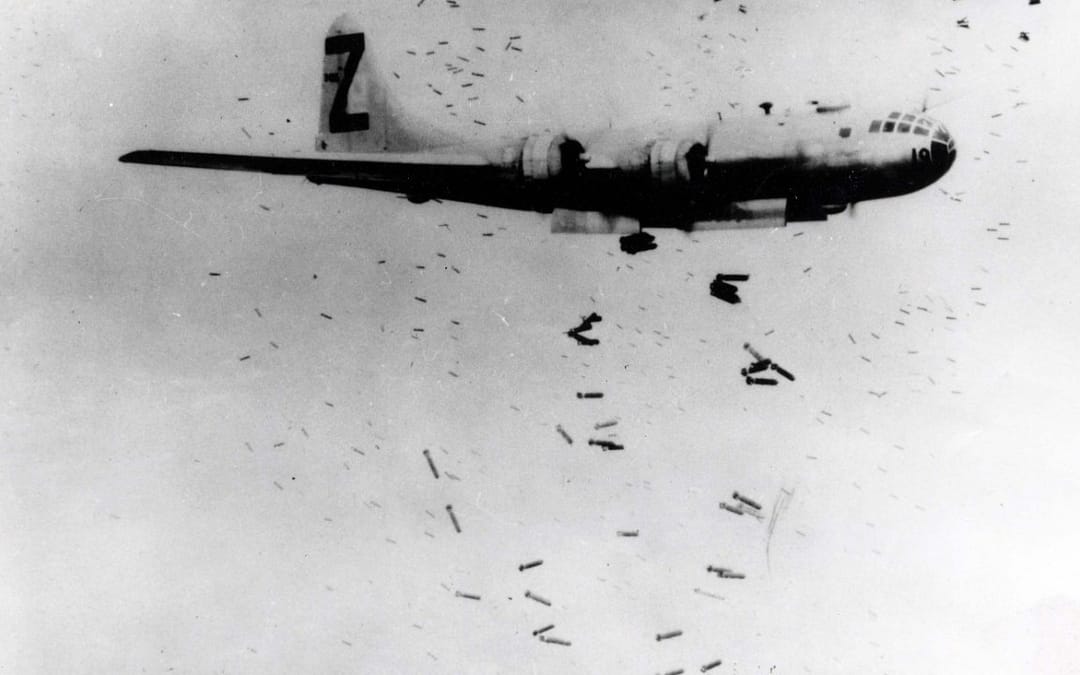
Part 8 of The Race for the Bomb, an Afterburner focus series. Part 7 left the three-billion-dollar B-29 failing at high altitude. This part is about the man who turned it around, the night that followed, and the sixty-plus cities after that. It is not an easy read; it...
Storia e leggende, Aviazione militare
Part 7 of The Race for the Bomb, an Afterburner focus series. The Manhattan Project cost 1.9 billion dollars. The aircraft built to deliver its product cost three billion. This is the engineering story of the B-29 Superfortress — bought off the drawing board, nearly...
Storia e leggende, Aviazione militare
Part 6 of The Race for the Bomb, an Afterburner focus series. Before one aircraft could destroy one city, the burning of cities had to become ordinary. This part tells how that happened over Germany — soberly, by the numbers, and through the people under the bombs and...
Storia e leggende, Aviazione militare
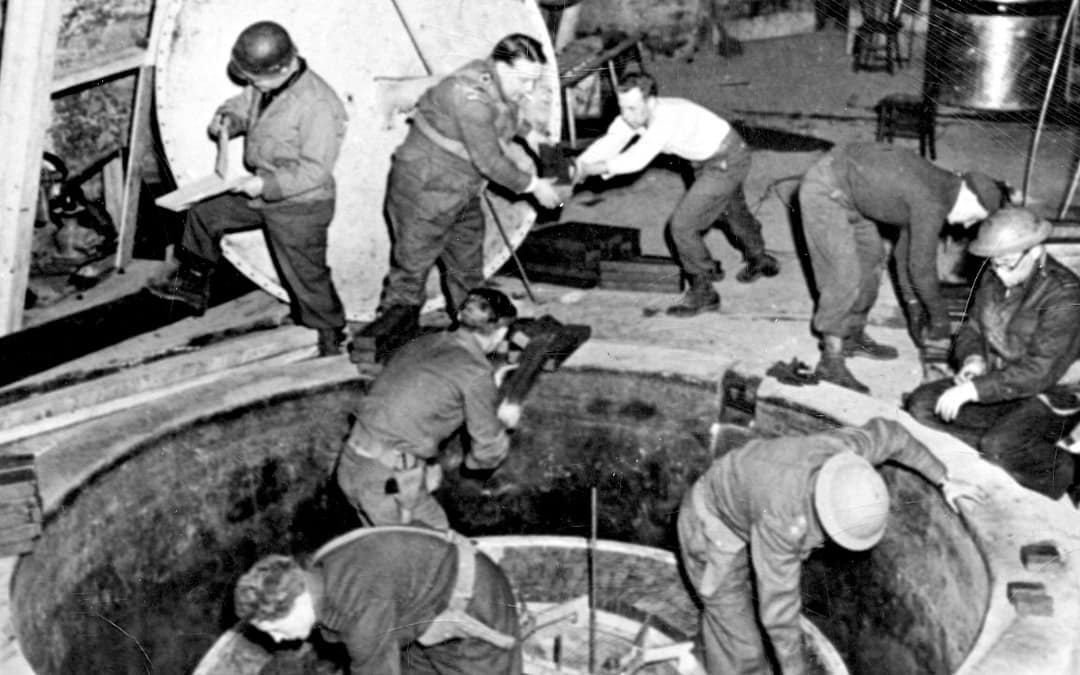
Part 4 of The Race for the Bomb, an Afterburner focus series. Fission was discovered in Berlin. So why did the bomb come from New Mexico? This part examines the German and Japanese programs — and the errors, raids and illusions that stopped them. The Hardangervidda,...
Storia e leggende, Aviazione militare
A metà degli anni '50, la Gran Bretagna si trovò ad affrontare un incubo: ondate di bombardieri sovietici che salivano sempre più in alto e volavano sempre più velocemente, ognuno potenzialmente carico di una bomba atomica. I caccia convenzionali semplicemente non riuscivano a salire abbastanza velocemente da intercettarli in tempo. Così gli ingegneri britannici...






Commenti recenti