
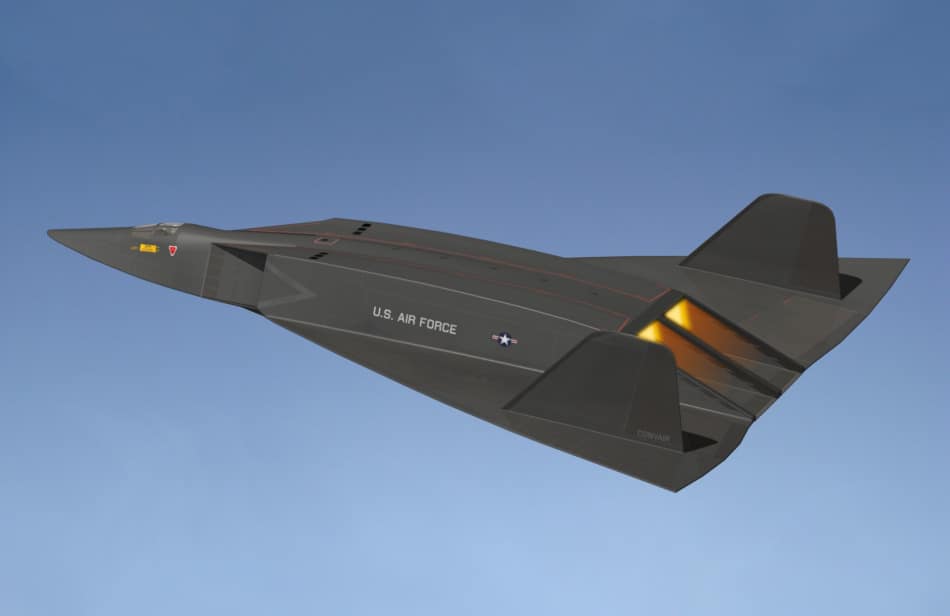
Tutti conoscono il Lockheed A-12 e il suo celebre discendente, l'SR-71 Blackbird: gli aerei spia neri, capaci di raggiungere Mach 3, che hanno seminato ogni missile mai lanciato contro di loro. Quasi nessuno ricorda l'aereo che per poco non li ha battuti sul tempo: il Kingfish della Convair, un aereo spia spigoloso e in grado di eludere i radar, che perse per un soffio la più importante gara di progettazione della Guerra Fredda e poi scomparve dalla storia.
Eppure, il Kingfish potrebbe essere stato il progetto più profetico. Due decenni prima dell'F-117, i suoi creatori stavano già progettando un aereo in grado di rendersi invisibile ai radar, e quell'idea sarebbe sopravvissuta alla competizione persa.
INFORMAZIONI RAPIDE
| Ruolo | Ricognizione ad alta quota della CIA (proposta) |
| Programma | Progetto GUSTO / OXCART, 1957–59 |
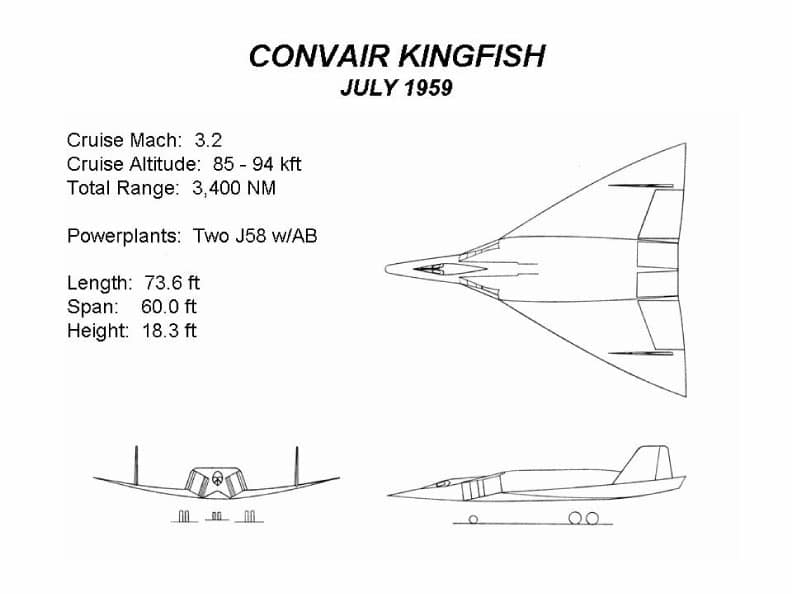
| centrale elettrica | 2 × Pratt & Whitney J58, integrati nella fusoliera |
| Velocità di progettazione | Mach 3.2 |
| Numero costruito | 0 (solo modello di prova radar) |
| Destino | Abbattuto dal Lockheed A-12 il 28 agosto 1959. |
La corsa per sostituire l'U-2
Dopo che un U-2 dimostrò di poter essere tracciato sopra l'Unione Sovietica, la CIA lanciò il Progetto GUSTO per trovare un successore che non potesse essere rilevato dai radar. Due colossi si contesero il progetto: la Skunk Works della Lockheed, guidata da Kelly Johnson, e la Convair di Fort Worth. La risposta della Lockheed divenne l'A-12 Oxcart, mentre quella della Convair fu il Kingfish.
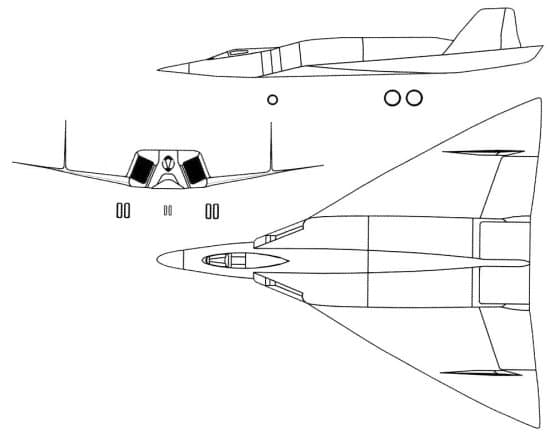
La Convair prese molto sul serio la sezione radar equivalente, anticipando i tempi di decenni. Il Kingfish inglobò i suoi due motori Pratt & Whitney J58 all'interno della fusoliera, utilizzò materiali ceramici e radar-assorbenti sui bordi e sfoggiava una forma angolare che ricordava in modo sorprendente gli aerei stealth degli anni '80. Sulla carta, raggiungeva una velocità di crociera di Mach 3.2 a un'altitudine superiore ai 90.000 piedi.
Una rivalità decisa dalla reputazione
Kelly Johnson non era rimasto impressionato dal suo rivale, o meglio, nutriva sospetti sul modo in cui Convair aveva inseguito una debole traccia radar. Nel suo registro riservato del programma OXCART, fu categorico.
Il 28 agosto 1959, la commissione scelse la Lockheed. L'A-12 era considerato leggermente più veloce, raggiungeva quote più elevate e, soprattutto, era più economico. Ma il fattore decisivo fu la fiducia. Alcuni funzionari della CIA preferivano addirittura il Kingfish per la sua minore traccia radar; furono dissuasi dai membri dell'Aeronautica militare presenti nella commissione, che ricordavano il travagliato programma del bombardiere B-58 della Convair, caratterizzato da sforamenti di budget.
Il Kingfish non fu mai costruito. I finanziamenti si interruppero nel momento stesso in cui il progetto della Lockheed ebbe successo, e l'aereo spia angolare della Convair divenne una nota a piè di pagina. Ma guardate un F-117 Nighthawk – motori incassati, rivestimento sfaccettato, bordi che assorbono i radar – e vedrete che si tratta di un'idea che la Convair ebbe per prima. Perse l'appalto. Ma forse vinse la discussione.
Fonti: Pedlow & Welzenbach, Storia della CIA dei programmi U-2 e OXCART; Kelly Johnson, Registro del programma OXCART; Wikipedia.
0 Commenti