
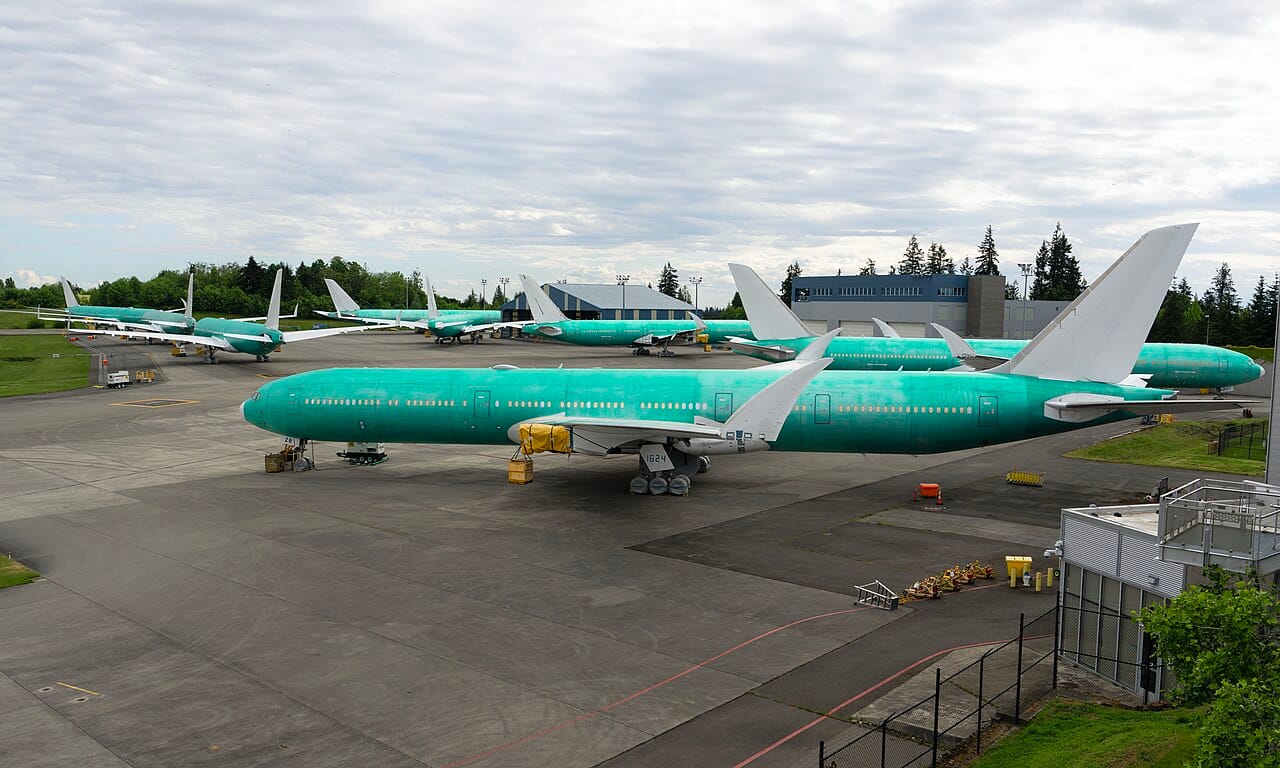
Dieci Boeing 777-9 sono fermi a Everett senza nessuno che li piloti, e l'uomo che li ha ordinati ha appena suggerito un possibile utilizzo.
Sir Tim Clark, presidente di Emirates Airline, ha dichiarato lunedì al Telegraph a Farnborough che la sua compagnia aerea non acquisterà il primo lotto di dieci velivoli. Hanno aspettato così a lungo e il design è cambiato così tanto nel frattempo che aggiornarli agli standard attuali non ha più senso.
Alla domanda su cosa Boeing avrebbe dovuto farne, ha avanzato un suggerimento.
Informazioni rapide
| Chi | Sir Tim Clark, Presidente di Emirates Airline |
| Che cosa | Emirates rifiuterà la consegna dei primi dieci Boeing 777-9 costruiti per essa |
| Quando | Dichiarazione rilasciata al Farnborough International Airshow il 20 luglio 2026, in un'intervista al The Telegraph. |
| L'ordine | Emirates ha ordinato 270 Boeing 777X, di gran lunga il più grande ordine per questo tipo di aeromobile. |
| Il ritardo | L'entrata in servizio è slittata dal 2020 al 2027, nella migliore delle ipotesi. Clark è salito a bordo per la prima volta di un aereo completamente configurato nel 2019. |
| Primo operatore | Lufthansa, previsto per il 2027. Il Telegraph riporta che avverrà prima della fine di quell'anno; Lufthansa ha indicato il primo trimestre |
| non rottamato | Un Boeing 777-9 verniciato con la livrea Emirates nel 2019 non ha mai volato ed è stato smantellato alla fine dell'estate del 2025. |
“"Heinz sarebbe interessato"”
Le parole di Clark, riportate da Christopher Jasper del Telegraph, furono brevi e assolutamente inequivocabili.
Ha inoltre spiegato il motivo, che è la parte più sostanziale della storia: gli aerei sono stati modificati così pesantemente dai primi voli che i primi esemplari usciti dalla linea di produzione assomigliano sempre meno a quelli che verranno poi certificati.
“"Le modifiche apportate alla cellula sono state davvero significative sin dai primi voli", ha affermato. "E non dimentichiamo che abbiamo avuto anche un guasto durante un test statico."”
Quest'ultimo punto merita di essere approfondito, perché sembra una notizia recente, ma non lo è. Clark fa riferimento al settembre 2019, quando la cellula di un Boeing 777X, sottoposta a test di resistenza a terra presso l'aeroporto di Everett, cedette a circa il 99% del carico massimo. Il rivestimento in alluminio sotto la fusoliera centrale si piegò e si ruppe, la cabina si depressurizzò in modo esplosivo e una porta passeggeri si staccò dall'aereo: motivo per cui l'incidente fu ampiamente erroneamente riportato all'epoca come un cedimento della porta. Poiché la cellula aveva raggiunto il 99% del carico richiesto, non fu necessario ripetere i test.
Sette anni dopo, Clark lo sta ancora contando.
Uno di essi è già stato rottamato
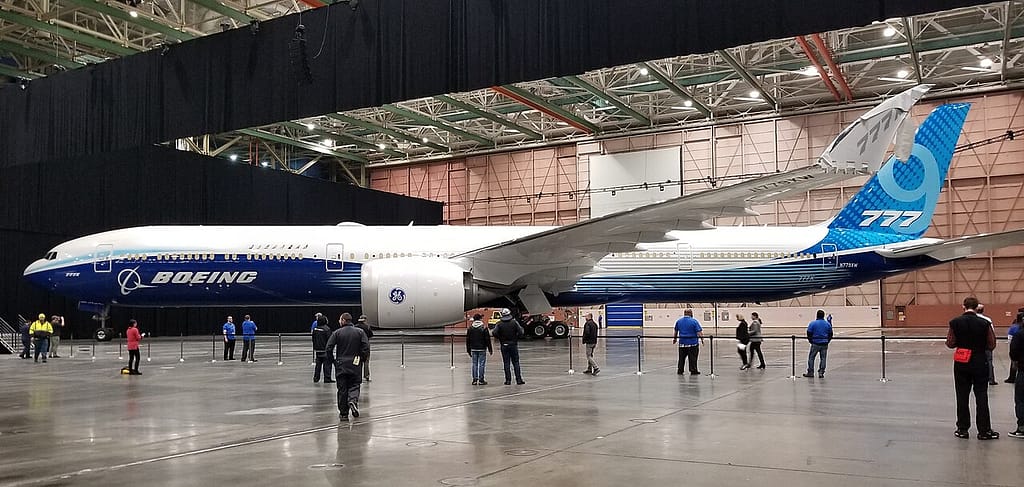
Il dettaglio più eclatante non proveniva affatto da Farnborough. Giorni prima della manifestazione, The Air Current aveva riportato che Boeing aveva smontato un 777-9 noto come WH007, il settimo esemplare costruito, uscito dallo stabilimento di Everett nell'estate del 2019 già verniciato con i colori di Emirates e con le estremità alari ripiegabili già installate.
Non ha mai volato. Nemmeno una volta. È rimasto fermo a Paine Field per sei anni mentre la Boeing lo spostava per fare spazio ad altri 777-9 incompiuti, e alla fine dell'estate del 2025 l'azienda ha concluso che la sua riprogettazione non era economicamente conveniente e lo ha smantellato.
C'è una piccola, ma significativa conseguenza. Cercate negli archivi fotografici gratuiti un Boeing 777X con la livrea Emirates e non lo troverete, perché l'unico aereo mai verniciato in quel modo è stato demolito prima che qualcuno potesse fotografarlo in servizio.
La risposta di Adobe
Stephanie Pope, a capo della divisione Boeing Commercial Airplanes, non ha commentato direttamente il rifiuto, ma ha difeso la procedura che lo ha determinato.
Non ha torto per quanto riguarda l'aspetto ingegneristico. Le prime cellule prodotte in qualsiasi programma accumulano differenze rispetto alla configurazione certificata e, a un certo punto, i costi per le modifiche successive superano il valore dell'aeromobile. È una normale valutazione industriale.
Si tratta di un caso insolitamente costoso, considerando che l'aereo in questione ha un prezzo di listino di diverse centinaia di milioni di dollari e il tuo cliente più importante lo descrive in termini di imballaggi alimentari.
Nemmeno Emirates è la sola ad aspettare. Interrogato durante la stessa fiera su quando British Airways avrebbe ricevuto il primo dei 24 aerei ordinati, il presidente e amministratore delegato Sean Doyle ha risposto: "Ottima domanda".“
Boeing ha inoltre circa 25 737 MAX 7 parcheggiati e indesiderati da Southwest, il che porta a un totale di circa 34 velivoli completati ma senza destinazione, distribuiti su due programmi.
Nel frattempo, lo show ha riportato un record
Lo stesso giorno di apertura che ha visto la nascita della linea di fagioli al forno di Clark ha anche prodotto un dato da prima pagina: oltre 36,2 miliardi di sterline, ovvero circa 144,8 miliardi di euro, in accordi annunciati per aerei commerciali, con 234 ordini fermi di aeromobili, un aumento del 44% rispetto al primo giorno della fiera precedente.
A questa cifra si accompagnano due precisazioni, che coincidono con quelle che rendono la storia di Clark degna di essere raccontata.
Innanzitutto, la fonte non è neutrale. Il dato proviene da ADS, l'associazione di categoria aerospaziale britannica, proprietaria di Farnborough International, la società che organizza la manifestazione aeronautica. Si tratta di un conteggio effettuato dagli organizzatori stessi.
In secondo luogo, e cosa più importante, il calcolo si basa sui prezzi di listino, e nessuno li paga. Gli sconti del 40-50% sugli aerei a fusoliera larga sono la norma. L'ordine di Emirates per altri 65 Boeing 777-9, annunciato nel novembre 2025, ammontava a 1.438 miliardi di naira, il che sulla carta equivale a 1.458,5 milioni di naira per aeromobile; tuttavia, le analisi di campagne simili indicano prezzi reali più vicini a un terzo di tale cifra.
Quindi $48,8 miliardi è un titolo, non un bonifico bancario. Ed è proprio questa la sottile ironia che permea tutta la settimana: un settore che misura la sua fiducia in miliardi di dollari che nessuno paga realmente, in un salone dove il cliente più importante per la nuova widebody ha appena detto al produttore di vendere i primi dieci esemplari come rottame.
Il filmato ufficiale della Boeing del primo 777-9 di produzione in volo: l'aereo destinato a Lufthansa, non a Emirates.
Fonti: The Telegraph (Christopher Jasper); The Air Current; ADS Group; Emirates; Bloomberg; 20 Minuten.
0 Commenti