
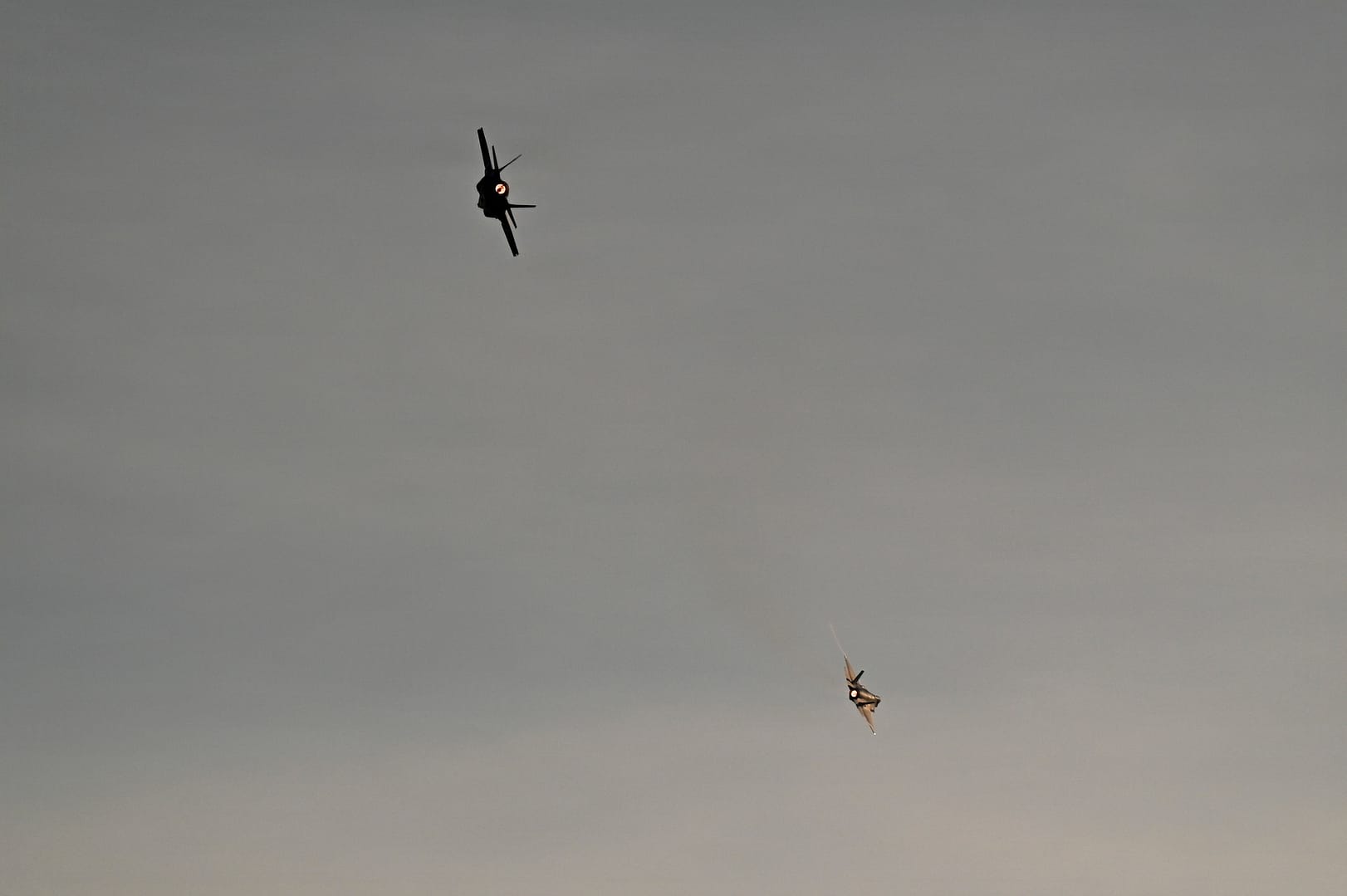
Every two years, the empty skies over Australia’s Top End fill with the noise of the largest air-combat exercise in the Southern Hemisphere. This year, for the first time, some of those fighters wore Japanese and Indonesian markings.
Exercise Pitch Black 2026, the Royal Australian Air Force’s biennial capstone, runs from July 20 to August 7 out of RAAF Bases Darwin and Tindal. Up to 100 jets and more than 2,500 personnel are taking part, and the U.S. Air Force describes it as large-force employment between 21 countries — a genuine who’s-who of the world’s air forces packed into one slice of tropical airspace.
Informazioni rapide
| Esercizio | Pitch Black 2026 (RAAF biennial capstone) |
| Date | July 20 - August 7, 2026 |
| Dove | RAAF Bases Darwin and Tindal, Northern Territory |
| Scala | Up to 100 aircraft, 2,500+ personnel |
| Nations | 21 countries (USAF figure) |
| New this year | Japan JASDF F-35A and Indonesia T-50I fly for the first time |
Red Air, Blue Air, and a lot of new faces
Pitch Black is built around large-force employment: dozens of aircraft split into a “Red Air” aggressor force and a “Blue Air” coalition, flying complex day-and-night missions across one of the biggest unrestricted training ranges on Earth. Aircraft from the United States, Japan, India, Indonesia, the Philippines, Thailand, South Korea, Singapore, Germany, France, Spain and Papua New Guinea are flying, with embedded personnel from several more.
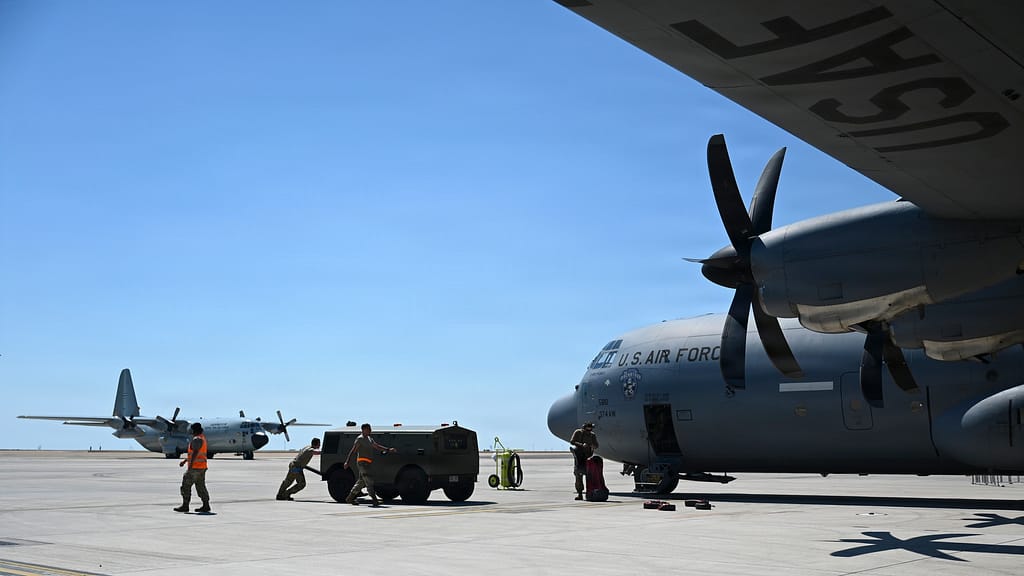
The headline debutants are Japan and Indonesia. The Japan Air Self-Defense Force brought its F-35A Lightning II to Pitch Black for the first time — a notable step for a country that has historically kept its fighters close to home. Indonesia sent its T-50I Golden Eagles, another first, flying primarily in the strike role. India’s Rafale fighters returned as well, sharpening skills alongside allied fifth-generation jets.
Why Darwin matters
Beyond the flying, Pitch Black is a statement. Bringing 21 nations together over northern Australia, in airspace pointed squarely at the Indo-Pacific, is exactly the kind of visible cooperation the region’s democracies want to show off right now. For the aircrews, it is a rare chance to fight a big, mixed force of friends and simulated foes. For everyone watching, it is a reminder of how crowded — and how coordinated — the skies over the Top End have become.
Sources: Australian Department of Defence, Royal Australian Air Force, U.S. Air Force / DVIDS, Aviation News Europe.
0 Commenti