
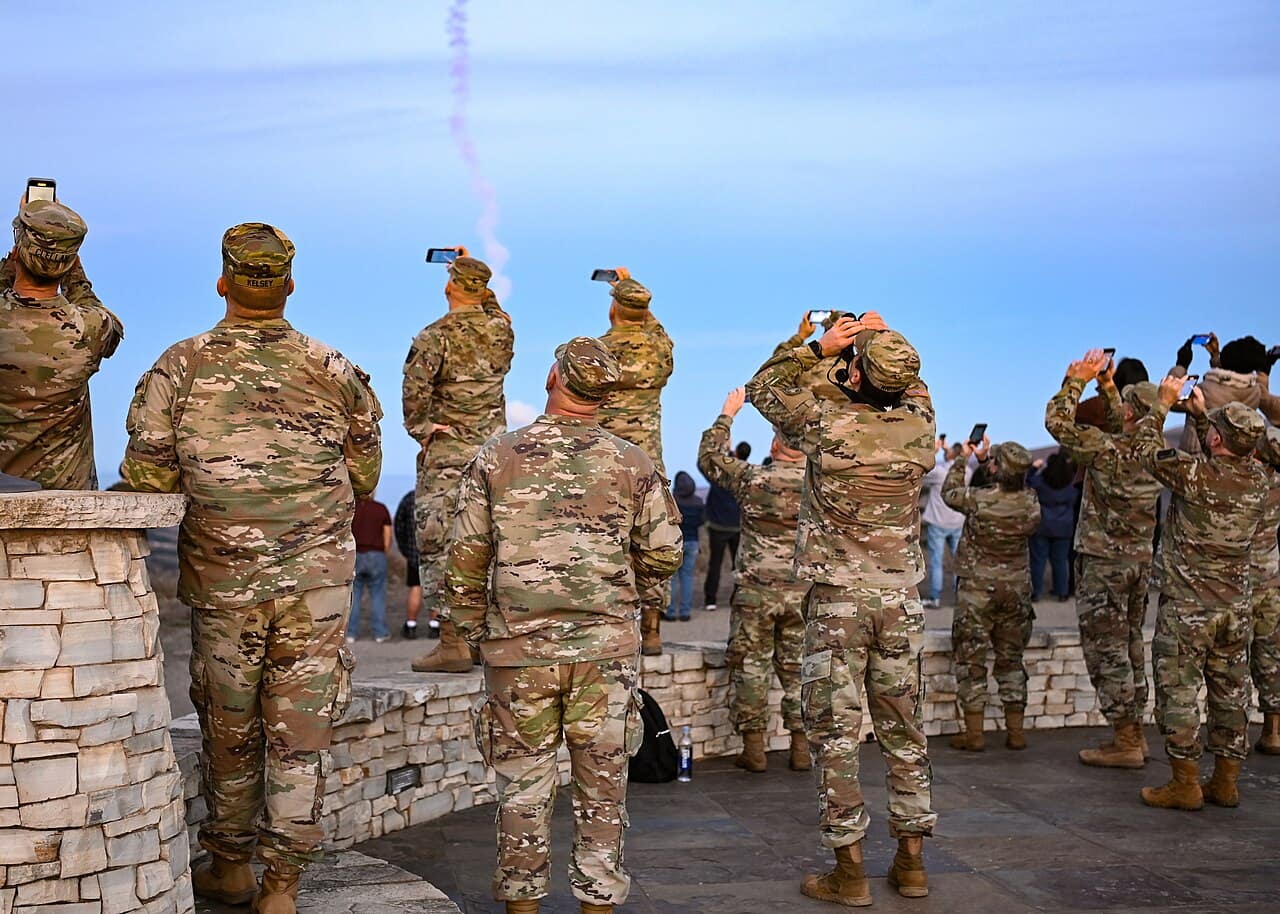
Il progetto di difesa più costoso della storia americana ha ora un nome ben preciso. Il 17 luglio 2026, il Senato ha confermato la nomina del generale della Space Force Michael A. Guetlein a capo del Golden Dome, il piano del presidente Trump per creare uno scudo antimissile a protezione dell'intero territorio statunitense, aprendo la strada a un programma che potrebbe costare ben oltre 14.400 miliardi di dollari.
La votazione è stata a bassa voce. Ma il lavoro è tutt'altro che silenzioso. Guetlein ora è a capo di un'iniziativa che coinvolge la Space Force, la Missile Defense Agency, l'Esercito, la Marina e l'Aeronautica, e che promette di realizzare qualcosa che nessun Paese è mai riuscito a fare: abbattere missili balistici, ipersonici e da crociera diretti verso il territorio nazionale, alcuni dei quali prima ancora che abbiano completato il lancio.
INFORMAZIONI RAPIDE
| Programma | Golden Dome - Sistema di difesa missilistica del territorio statunitense |
| Leader | Generale Michael A. Guetlein (confermato il 17 luglio 2026) |
| Ruolo | Responsabile del programma di riporto diretto |
| Minacce coperte | Missili balistici, ipersonici e da crociera |
| Stima dei costi | Circa 1.000.400.175 miliardi di persone (alcune stime sono di gran lunga superiori) |
| richiesta per l'anno fiscale 2026 | $25 miliardi |
| Protagonisti chiave | Forza spaziale, MDA, Esercito, Marina, Aeronautica |
Il generale a cui è toccato il fiammifero più corto, ovvero l'incarico più ambito.
La nomina di Guetlein non sorprende. Fino a questa settimana ricopriva la carica di Vice Capo delle Operazioni Spaziali e, prima ancora, ha diretto lo Space Systems Command, è stato vicedirettore del National Reconnaissance Office e dirigente di programma presso la Missile Defense Agency. In altre parole, quasi tutte le organizzazioni che costruiranno il Golden Dome lo hanno già avuto come superiore.
È stato anche schietto riguardo alla portata dell'impresa che si è assunto. Parlando con i leader dell'industria della difesa all'inizio di quest'anno, Guetlein ha fatto il paragone più audace nella storia dell'ingegneria americana.

Questo non è il linguaggio di un uomo che pensa di avere un lavoro facile.
Che cos'è realmente la Cupola d'Oro?
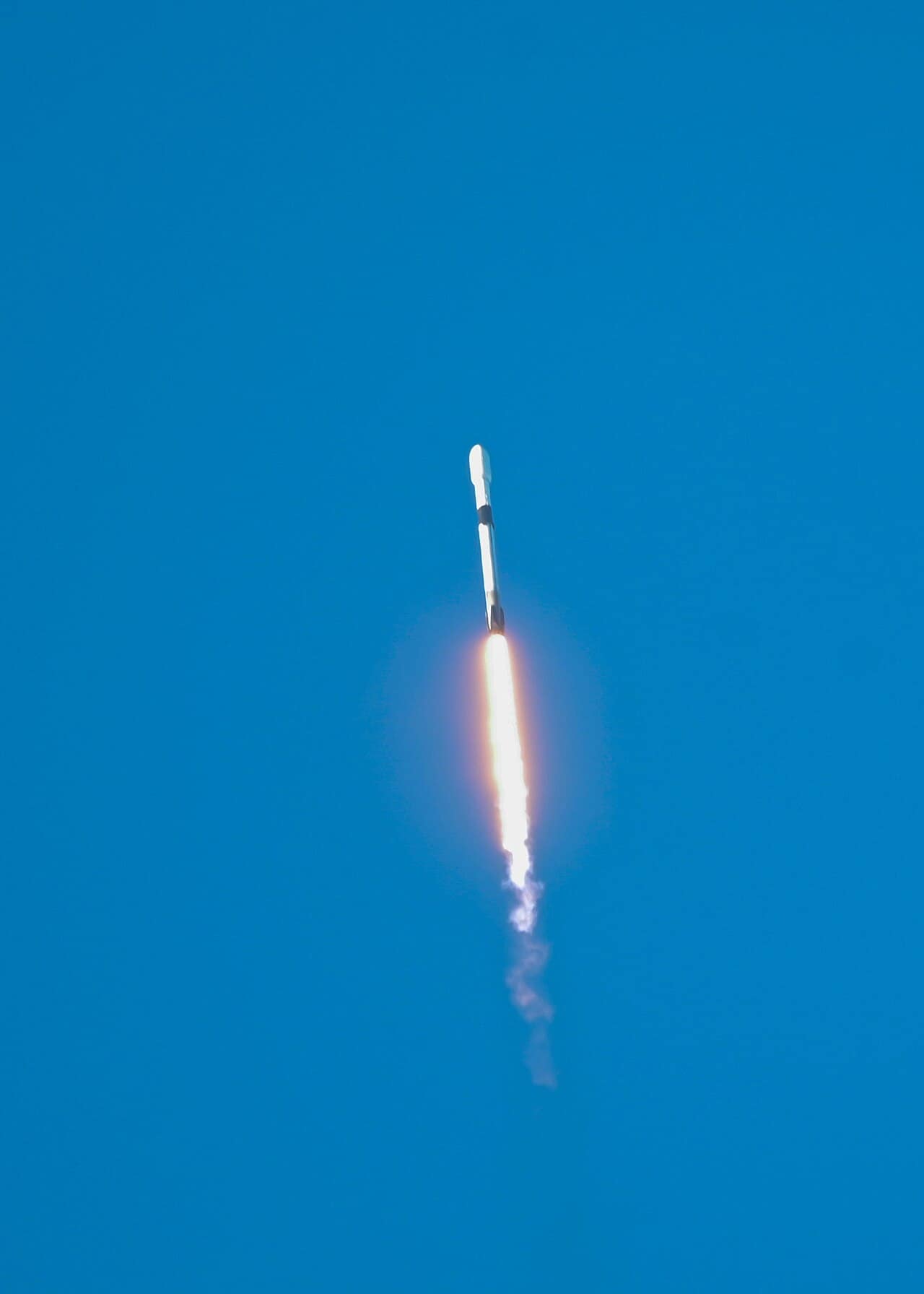
Trump ha lanciato l'idea durante il suo insediamento nel gennaio 2025 e ha approvato un piano del Pentagono alla fine di maggio dello stesso anno, stimando il costo intorno a 1.447.500 miliardi di dollari. Il concetto è articolato su più livelli: satelliti in orbita per individuare e tracciare un lancio in pochi secondi; un mix di intercettori terrestri, navali e spaziali per neutralizzare la minaccia; e una rete di comando basata sull'intelligenza artificiale per coordinare il tutto con la rapidità necessaria a essere efficace. La sfida più ardua – gli intercettori spaziali in grado di colpire un missile nella fase di spinta – è anche la più futuristica, e la Space Force punta a raggiungere questa capacità già nel 2028.
I critici, tra cui il senatore Mark Kelly, ex astronauta e pilota della Marina, hanno messo in dubbio la fattibilità del progetto in termini di costi e principi fisici, e le stime indipendenti hanno superato di gran lunga la cifra ufficiale. La risposta di Guetlein è stata quella di promettere risultati immediati e visibili, anziché un decennio di presentazioni in PowerPoint.
Per il mondo dell'aviazione e della difesa aerea, il Golden Dome è un evento di portata epocale. Attira radar, intercettori, aerei sensore e l'intera infrastruttura con cui il Nord America monitora i propri cieli. Che diventi lo scudo promesso da Trump o lo spreco di denaro pubblico temuto dai suoi critici, un uomo è ora formalmente responsabile di scoprirlo, e il conto alla rovescia è iniziato nel momento in cui il Senato ha dato il suo benestare."
Fonti: Air & Space Forces Magazine; SpaceNews; Breaking Defense; Fox News; The Hill.
0 Commenti