
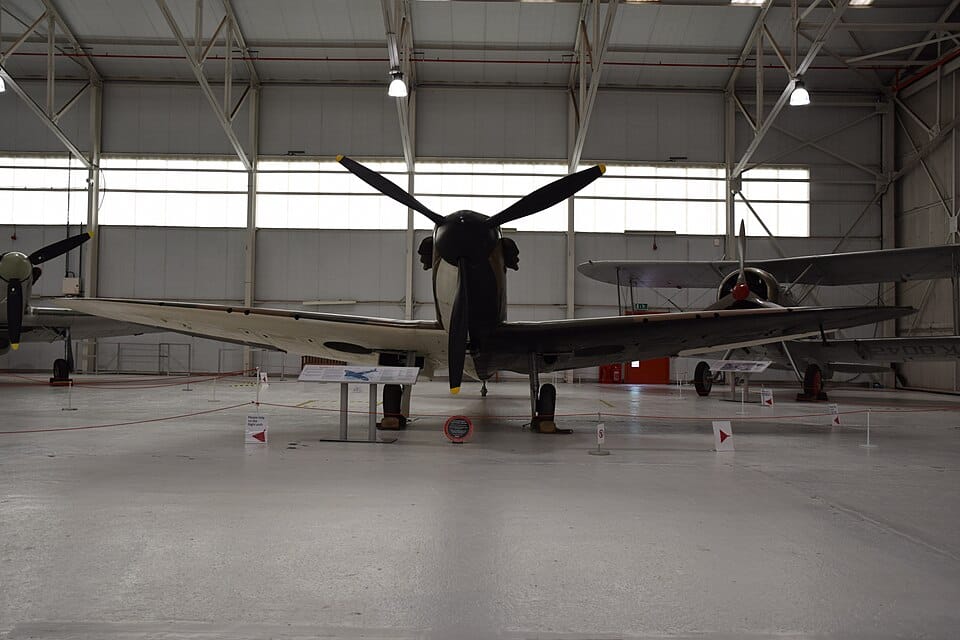
Informazioni rapide
| Nazionalità | Britannico 🇬🇧 |
| Vittorie aeree | 38 (asso britannico con il maggior numero di vittorie confermate nella Seconda Guerra Mondiale) |
| Aeromobili pilotati | Spitfire Dal modello Mk.II al Mk.XIV |
| guerre | Seconda Guerra Mondiale |
| Nato / Morto | 9 marzo 1915-30 gennaio 2001 (85 anni) |
| Unità | 616° Squadrone RAF, 144° Stormo RCAF |

Con 38 vittorie aeree confermate, il vice maresciallo dell'aria James Edgar "Johnnie" Johnson è l'asso dell'aviazione britannica con il maggior numero di vittorie della Seconda Guerra Mondiale. A differenza di molti assi che ebbero una carriera fulminea, Johnson sopravvisse all'intero conflitto, accumulò le sue vittorie con costanza nel corso di anni di intensi combattimenti e si affermò come uno dei comandanti di caccia più riflessivi e rispettati che la RAF abbia mai avuto.
Primi anni di vita e ingresso nella RAF
Nato il 9 marzo 1915 a Barrow upon Soar, nel Leicestershire, Johnson studiò ingegneria civile prima di arruolarsi nella RAF Volunteer Reserve nel 1939. Fu ammesso al corso di addestramento per piloti proprio all'inizio della guerra, e la sua carriera iniziale rischiò di essere compromessa da un infortunio alla spalla che richiese un intervento chirurgico. Determinato a non perdersi la guerra, nascose la gravità del suo problema abbastanza a lungo da poter partecipare ai combattimenti.
Gli anni di Spitfire
Johnson pilotò esclusivamente Spitfire per tutta la sua carriera di combattimento. Entrò a far parte del 616° Squadrone nel 1940 e prestò servizio durante la Battaglia d'Inghilterra, sebbene un infortunio alla spalla limitò il suo contributo in quella fase cruciale. Diede il meglio di sé nel 1941 e nel 1942, durante le offensive della RAF sull'Europa occupata, guidando formazioni di Spitfire in complessi e rapidi scontri contro i migliori caccia della Luftwaffe.
Johnson era noto per la sua eccezionale consapevolezza situazionale: la capacità di seguire più velivoli in un complesso combattimento aereo, guidando al contempo la sua formazione. Abbatteva le sue vittime con fredda efficienza, cogliendo di sorpresa il pilota nemico prima ancora che si accorgesse della sua presenza.
Comandante di squadriglia e oltre
Nel 1943, Johnson comandava uno stormo di Spitfire, guidando squadroni provenienti da Canada, Nuova Zelanda e Gran Bretagna in operazioni offensive. Fu insignito tre volte del Distinguished Service Order e due volte della Distinguished Flying Cross, risultando tra i piloti da caccia più decorati della RAF. Partecipò alla campagna di Normandia e continuò le operazioni fino alla fine della guerra.
In seguito Johnson scrisse due libri molto apprezzati sulle sue esperienze. Caposquadriglia (1956) rimane uno dei migliori resoconti personali di combattimenti aerei mai pubblicati. Continuò a servire nella RAF nel dopoguerra, ritirandosi infine con il grado di Vice Maresciallo dell'Aria. Morì il 30 gennaio 2001 all'età di 85 anni, uno degli ultimi grandi assi dell'aviazione in tempo di guerra.
Le 38 vittorie di Johnnie Johnson e la sua lunga e illustre carriera come pilota e comandante lo rendono l'asso dell'aviazione britannica per eccellenza della Seconda Guerra Mondiale: un uomo che ha padroneggiato non solo l'arte del combattimento aereo, ma anche la ben più difficile arte della leadership sotto il fuoco nemico.
“Lo Spitfire non era solo una macchina. Era poesia. Era noi: tutto ciò che eravamo e tutto ciò che speravamo di essere.”
— Vice Maresciallo dell'Aeronautica Johnnie Johnson, CBE DSO DFCGuarda: il documentario su Johnnie Johnson
Domande correlate
Chi era Johnnie Johnson?
Il vice maresciallo dell'aria James Edgar 'Johnnie' Johnson (1915–2001) fu l'asso dell'aviazione britannica con il maggior numero di vittorie nella Seconda Guerra Mondiale, con 38 successi aerei confermati. Pilotando il Supermarine Spitfire per tutta la durata del conflitto, sopravvisse all'intera guerra e divenne uno dei comandanti di caccia più rispettati della RAF, noto per la sua eccezionale consapevolezza situazionale e abilità tattica.
Quante uccisioni ha totalizzato Johnnie Johnson?
Johnnie Johnson ottenne 38 vittorie aeree confermate, il numero più alto tra tutti i piloti britannici della RAF durante la Seconda Guerra Mondiale. A differenza degli assi che ottenevano vittorie rapidamente per poi essere presto persi, Johnson accumulò le sue vittorie con costanza dal 1941 al 1945 durante le offensive sull'Europa occupata. Quasi tutte le sue vittorie furono contro caccia nemici, ottenute con quella che gli osservatori definirono fredda efficienza.
Su quale aereo volava Johnnie Johnson?
Johnnie Johnson pilotò il Supermarine Spitfire per tutta la sua carriera bellica, dal Mk.II al Mk.XIV. L'agilità dello Spitfire si adattava al suo stile di cogliere di sorpresa e colpire prima che il nemico reagisse. Mentre lo Spitfire è il caccia più celebrato, il Hawker Hurricane In realtà abbatté un numero maggiore di aerei nemici durante la Battaglia d'Inghilterra.
Johnnie Johnson partecipò alla Battaglia d'Inghilterra?
Johnnie Johnson partecipò solo marginalmente alla Battaglia d'Inghilterra a causa di un infortunio alla spalla, conseguenza di un vecchio incidente di rugby, che lo tenne perlopiù a terra durante quel periodo critico. Si affermò in seguito, tra il 1941 e il 1942, guidando formazioni di Spitfire in operazioni offensive sull'Europa occupata, e nel 1943 comandava uno stormo di squadroni canadesi, neozelandesi e britannici.
Come veniva decorato Johnnie Johnson?
Johnnie Johnson fu uno dei piloti da caccia più decorati della RAF, insignito per tre volte del Distinguished Service Order e per due volte della Distinguished Flying Cross. Guidò squadroni durante la campagna di Normandia e volò fino alla fine della guerra, rimanendo poi nella RAF e raggiungendo il grado di Vice Maresciallo dell'Aria prima di ritirarsi. Morì nel 2001, all'età di 85 anni.
Chi fu l'asso dell'aviazione con il maggior numero di vittorie nella Seconda Guerra Mondiale?
I migliori punteggi alleati variavano a seconda della nazione: Johnnie Johnson guidava i piloti della RAF nati in Gran Bretagna con 38, gli americani Richard Bong Con 40 vittorie, Johnson superò gli assi statunitensi nel Pacifico, mentre i piloti della Luftwaffe sul fronte orientale ne ottennero centinaia, raggiungendo il primato. Il totale di Johnson è notevole, considerando che fu conseguito nel corso di anni di intensi combattimenti a cui sopravvisse.
0 Commenti