

Molto prima di inventare la fabbrica di cioccolato di Willy Wonka o la pesca gigante, Roald Dahl giaceva nel deserto libico con il cranio fratturato, il sangue negli occhi e un biplano in fiamme a pochi metri di distanza. Aveva 24 anni e aveva appena effettuato un atterraggio di emergenza con un aereo da caccia che aveva imparato a pilotare a malapena.
L'uomo che sarebbe diventato uno degli autori per ragazzi più amati di tutti i tempi trascorse i suoi vent'anni come pilota di caccia della RAF e, a suo dire, l'incidente che quasi gli costò la vita potrebbe essere la ragione per cui decise di diventare scrittore.
Informazioni rapide
- Chi: Roald Dahl (1916-1990) — prima di scrivere i libri, era un pilota di caccia della RAF.
- Servizio: Royal Air Force, 1939-1946; No. 80 Squadron
- Aeromobili: Biplano Gloster Gladiator, poi Hawker Hurricane Mk I
- L'incidente: 19 settembre 1940, sbarco di emergenza nel deserto libico vicino a Mersa Matruh
- Infortuni: frattura del cranio, naso rotto, cecità temporanea per settimane
- Curriculum militare: considerato un asso dell'aviazione, con cinque vittorie confermate
- Dopo: congedato per motivi di salute; un incarico di scrittura del 1942 diede inizio alla sua carriera letteraria.
Un lunghissimo viaggio verso la guerra
Nel 1939 Dahl era un giovane impiegato della Shell Company in Africa orientale. Allo scoppio della guerra, percorse 600 miglia attraverso il Kenya fino a Nairobi per arruolarsi nella Royal Air Force, imparando a pilotare i Tiger Moth sotto il sole africano. Era alto, troppo alto per la cabina di pilotaggio di un caccia, ma riuscì comunque a infilare il suo corpo slanciato all'interno dell'aereo.
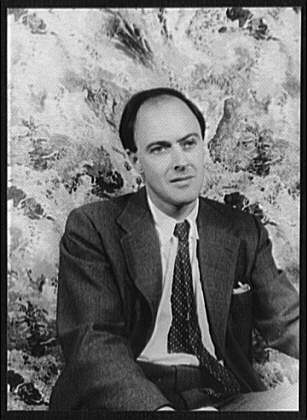
L'incidente nel deserto
Il 19 settembre 1940, a Dahl fu ordinato di pilotare un Gloster Gladiator attraverso il deserto per raggiungere il suo squadrone. Non aveva mai pilotato quel tipo di aereo in combattimento e gli fu indicata una destinazione che si rivelò errata: si ritrovò in una zona deserta tra le linee alleate e quelle italiane. Con poco carburante e con l'arrivo della notte, tentò un atterraggio. Il carrello d'atterraggio urtò contro un masso, l'aereo precipitò e Dahl si fratturò il cranio, si ruppe il naso e rimase cieco per settimane.
Un'inchiesta della RAF concluse in seguito che era stato mandato nel posto sbagliato. In altre parole, non era colpa sua, ma per poco non gli costò la vita.
Ace sulla Grecia
Sorprendentemente, si riprese e tornò a volare. Nell'aprile del 1941 si trovava con l'80° Squadrone in Grecia, ora ai comandi di un Hawker Hurricane, gettato in una battaglia disperata contro la schiacciante superiorità aerea tedesca. Nel caos sopra Atene combatté da solo contro sciami di aerei nemici e, nelle settimane successive in Grecia e poi in Siria, gli furono accreditate cinque vittorie confermate, il che lo rendeva, per definizione, un asso dell'aviazione.

Non poteva durare. I fortissimi mal di testa causati dalla frattura cranica continuavano a ripresentarsi nella cabina di pilotaggio, e alla fine fu rimpatriato per motivi di salute. Assegnato a Washington come addetto aeronautico, fu incaricato dallo scrittore C.S. Forester di scrivere un resoconto delle sue esperienze di guerra. Il risultato – una vivida descrizione dell'abbattimento del suo aereo sopra la Libia – divenne la sua prima opera pubblicata.
Il ragazzo che si schiantò nel deserto trovò, tra i rottami, il narratore che sarebbe diventato. La RAF perse un pilota. Il mondo guadagnò Roald Dahl.
Fonti: Roald Dahl, "Going Solo" (1986); Wikipedia; HistoryNet; Forces News.
Post correlati


This is great timing! I’ve been looking for the wreck of Dahl’s Gloster Gladiator K7911 for some time and your article came out last week and just yesterday senior RAF contacts provided me with the hand-scrawled RAF crash report from this incident which has the words that the landing field “had been camouflaged” – this is a critical detail which has been missing in other reports and which further exonerates Dahl. Having found numerous historic aircraft particularly RAF in Bahamas, USAAF and RAFTC and USN in the NE US, I am looking to put together a team to travel to Mersa Matruh and find the remnants of Dahl’s plane. I’m a writer who has been deeply inspired by his story as told in GOING SOLO. However there are multiple embellishments and falsehoods in the various accounts. The plane is not 35 miles south of Mersa, it didn’t crash between the lines, there were not 2 pilots, etc etc. It’s much closer to town but that may not be a good thing either…. Write me at http://www.ericwiberg.com eric@ericwiberg.com if interested in learning more. The form BTW is RAF Form 1180 and I’d found the ORB and others with help but never the Form 1180 till this week. Thanks to all those who helped in the RAF, esp. Wing Commanders GP and CC.